Funding gap leaves over 450,000 students in limbo over HELB loans
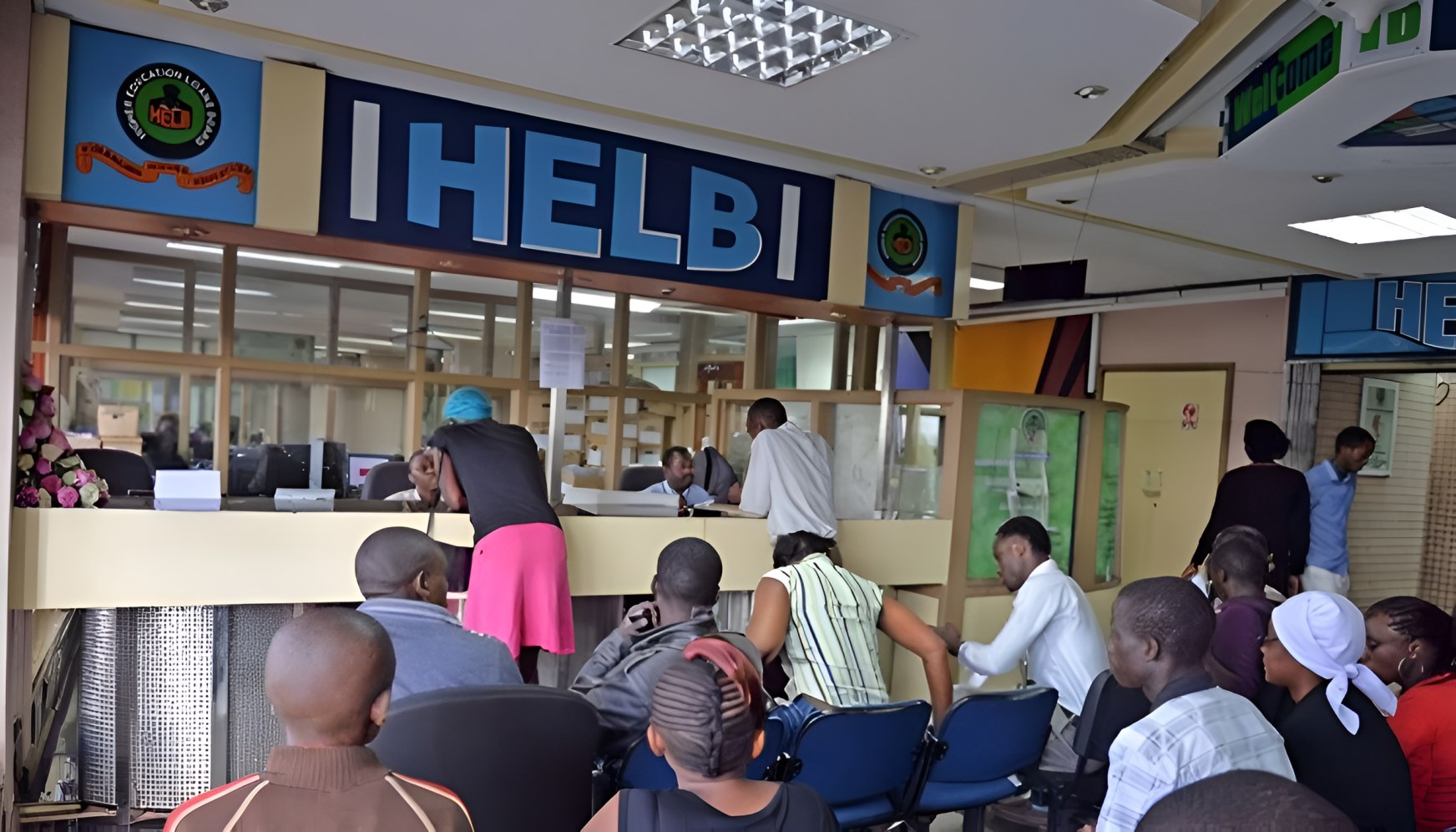
HELB received only Sh4.1 billion of the Sh10 billion requested for student loans, while the TVET department got Sh3 billion of the Sh29 billion it needed for scholarships
A funding gap of Sh43.6 billion is putting more than 450,000 university and TVET students at risk of losing access to financial aid, raising fears of operational strain across higher learning institutions.
Higher Education and Research Principal Secretary Beatrice Inyangala told the National Assembly Committee on Education on Wednesday that the 2025/26 supplementary budget fell far short of the sector’s requirements.
HELB received only Sh4.1 billion of the Sh10 billion requested for student loans, while the TVET department got Sh3 billion of the Sh29 billion it needed for scholarships.
Inyangala warned that the shortfall could severely disrupt institutions, which are already struggling to pay staff salaries. She highlighted that the government owes private universities Sh60.2 billion, worsening the financial pressures.
Lugari MP Nabii Nabwera questioned why government-sponsored students are still being placed in private universities despite spare capacity in public institutions.
Inyangala responded, “We have stopped sending students to private universities. However, those already there can still apply for HELB support.”
Kitutu Masaba MP Clive Gisiro criticised the department for allocating funds to new infrastructure while neglecting critical student support.
“We have stalled projects, yet we are still funding new ones. Why are we putting money into infrastructure instead of supporting HELB or exploring partnerships with the Housing Department to build hostels?” he asked.
Luanda MP Dick Maungu expressed concerns about whether the allocated money can be absorbed before the end of the financial year.
“We are barely two months to the end of the financial year. This money cannot be absorbed. Is it a genuine project or a disguised pending bill?” he asked.
Inyangala defended the funding, stressing that without it, thousands of students would miss essential financial aid and institutions could struggle to operate.
The committee also heard that the State Department for Science, Research and Innovation is facing acute funding challenges, lacking adequate office space and operational resources.
Prof. Shaukat Abdulrazak, the department’s Principal Secretary, requested Sh1.9 billion, including Sh100 million to cover rent and partitions for office space.
Committee Chair Julius Melly underlined the importance of research in national development.
“We cannot develop without research. We cannot create jobs without insight. Otherwise, we will be shooting in the dark,” he said.
Luanda MP Dick Maungu described the department as “in dire need of support,” while Baringo North MP Joshua Makilap called for increased funding for research and innovation.
MP Nabwera noted that the request represents just about one per cent of the national budget.
Prof. Shaukat said fully operationalising the research ecosystem would require Sh30 billion, or between one and two per cent of GDP, equivalent to Sh154 billion to Sh311 billion.
Lawmakers also highlighted weak partnerships between universities and industry, with Kibra MP Peter Orero stating, “one of the key canons of higher education is research, and we must allocate resources.”
The committee is expected to propose measures to strengthen funding for student loans and bolster research, as Parliament pushes for education and innovation to become key drivers of economic growth.




Comments
Sign in with Google to comment, reply, and like comments.
Continue with Google