Prof Mak’Ochieng calls for structured, predictable government communication in Kenya
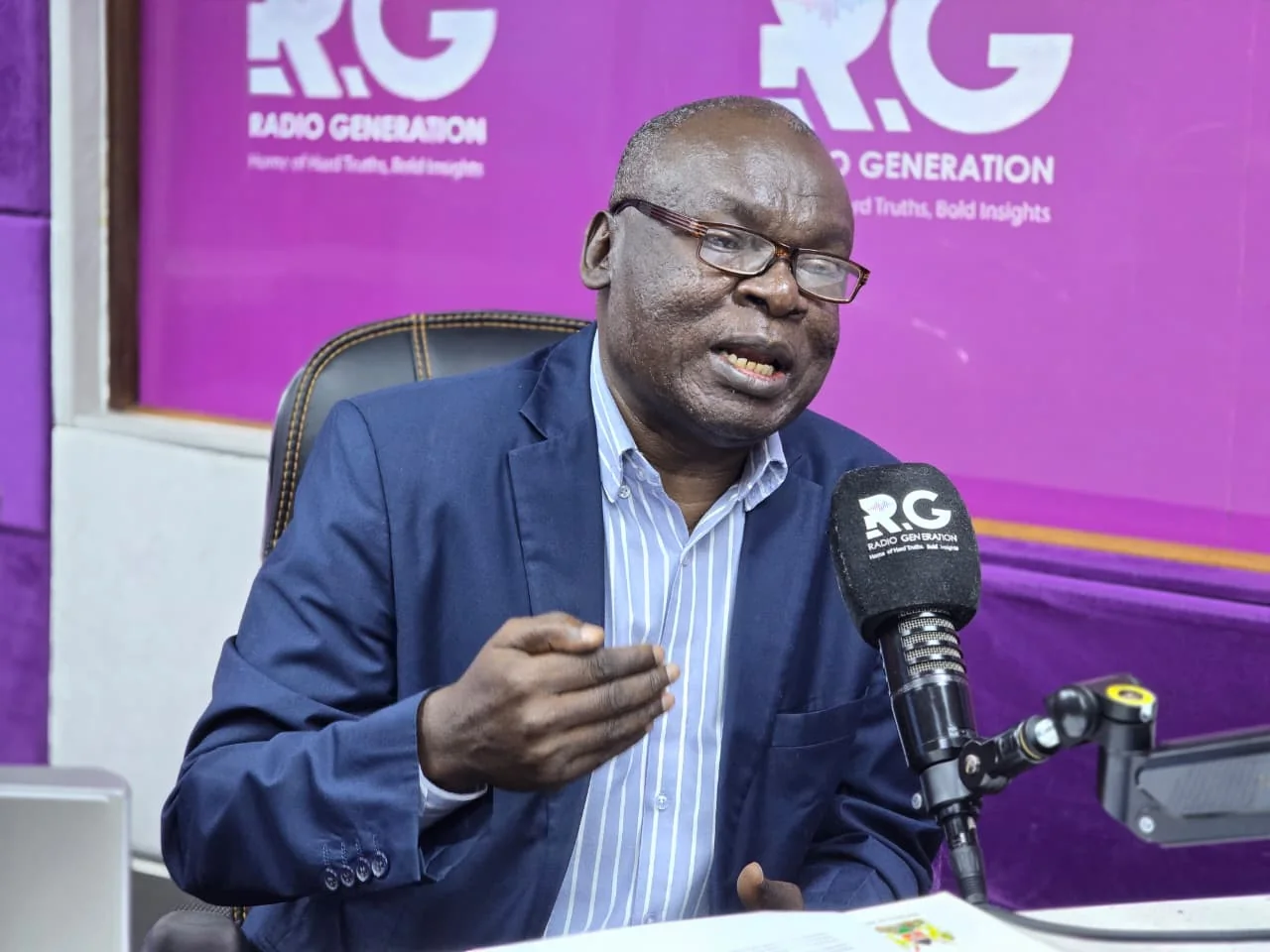
He outlines that weak communication undermines accountability and public trust, noting that government messaging is often reactive rather than strategic, despite extensive policy activity across ministries and agencies.
Associate Professor of Media and Communication at Multimedia University, Prof Murej Mak’Ochieng, has called for a structured and predictable government communication system in Kenya.
He outlines that weak communication undermines accountability and public trust, noting that government messaging is often reactive rather than strategic, despite extensive policy activity across ministries and agencies.
Speaking during a Radio Generation interview on Tuesday, the Associate Professor noted that governments must prioritise communication as a core function of governance, not as an afterthought.
“Governments, especially in democratic countries, are elected by the people to serve the people, and if there is any way in which governments really serve the people, part of it is that they have to communicate with the people,” he stressed, adding that communication is central to accountability and public empowerment.
He argued that while government communication exists, it is often not organised, predictable, or purposeful enough to meet public expectations.
“Communication is extremely important for government, and government not only need to communicate effectively, they also need to be seen to be communicating effectively,” he stated.
Mak'Ochieng's remarks come amid Kenya’s government repeatedly facing criticism over poor public communication during major national issues, with analysts pointing to misinformation, delayed responses, and weak public engagement.
During the COVID-19 pandemic, government officials struggled to counter misinformation around vaccines and containment measures.
Similar criticism emerged over fuel prices, housing levy policies, and subsidy programmes.
The most significant backlash came during the 2024 Finance Bill protests, where youth-led demonstrations escalated nationwide after many Kenyans said the government failed to properly explain proposed tax measures.
President William Ruto later admitted that “our communication architecture did not deliver” and blamed failures in government messaging for public outrage over the Bill, which was eventually withdrawn after deadly protests and widespread demonstrations across the country.
Prof Mak’Ochieng stated that inconsistent messaging creates gaps in public understanding of government action, even when significant work is being done.
“There is so much that happens in government that needs to be communicated. The question is, do we have people who appreciate the importance of communicating?” he posed.
The academic pointed to structural and cultural weaknesses within government communication systems, referencing findings from a national task force report he participated in in 2019.
He said the report highlighted that much of government communication is reactive rather than strategic.
“A lot of government communication is reactional,” he said, adding that institutions often communicate only “because they want to fight fires.”
Prof Mak’Ochieng argued that this reactive approach weakens engagement with citizens, who instead require proactive and structured information delivery.
“The people want to see it fast, because it is important for them to know, not because government is defending itself,” he said.
He also raised concerns about coordination and professionalism in government messaging, questioning whether sufficient investment is made in speechwriting and message development.
“You can’t do without speech writers,” he said, adding that effective communication requires close collaboration between leaders and communication professionals to ensure messages resonate with the public.
Citing international examples, he referred to the style and structure of speeches delivered in global forums, saying language choice and delivery matter in shaping public perception.
Prof Mak’Ochieng further argued that political leaders must be more mindful of their dual roles as both politicians and public servants.
“All political leaders need always to remember that whatever they do, they do it on behalf of Kenyans,” he highlighted, warning that careless messaging can damage national reputation.
He also referenced remarks attributed to the President following public debate over the Finance Bill 2024, where it was acknowledged that communication failures contributed to public misunderstanding.
Prof Mak’Ochieng said such admissions highlight the urgent need for reform in how government communicates policies, particularly during moments of national tension.
He concluded that Kenya’s communication challenge is not only technical but also cultural, requiring a shift from defensive messaging to proactive public engagement.
https://twitter.com/RadioGenKe/status/2059177561523888133



Comments
Sign in with Google to comment, reply, and like comments.
Continue with Google