UN: Women and girls face higher climate risks but lead in solutions
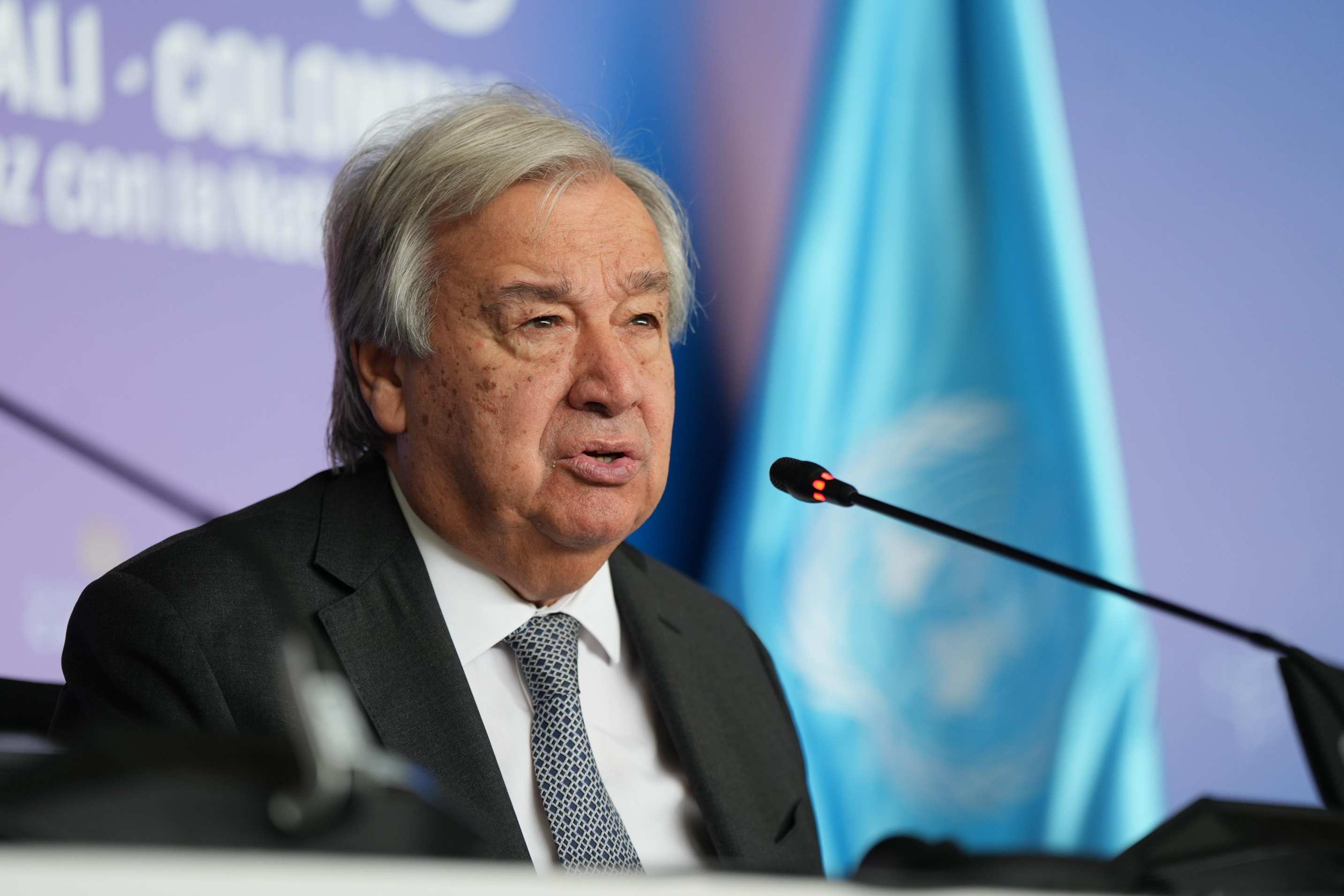
A UN report says climate change affects people differently, with women and girls facing disproportionate risks. It highlights displacement, disrupted services and gender-based violence, while urging women’s inclusion in policy and disaster planning.
Women and girls are bearing the heaviest burden of climate change, yet they are also at the centre of efforts to respond to its effects, the United Nations has said, warning that inequality is deepening as weather patterns become more extreme across the world.
In a report released on Tuesday, the UN said the impact of climate change is not the same for everyone, with women and girls facing higher risks because they form a large share of the world’s poor and depend more on natural resources for daily survival.
In many rural areas, women are responsible for collecting food, water, and firewood for their households. During droughts and irregular rainfall, they are forced to walk longer distances and spend more time searching for basic needs and income, which increases their exposure to insecurity and gender-based violence.
The UN warned that climate change is worsening existing inequalities, especially in regions already affected by poverty and conflict.
“When extreme weather disasters strike, women and children are 14 times more likely to die than men,” the report stated, pointing to limited access to information, mobility, decision-making and resources as key factors behind the gap.
The report also said that an estimated four out of five people displaced by climate change are women and girls. It added that disasters often disrupt essential services such as sexual and reproductive healthcare, deepening the impact on families.
Despite these risks, the UN noted that women are playing a central role in climate action and adaptation due to their daily experience managing natural resources and responding to environmental challenges.
It described women as “environmental stewards”, saying they are responsible for half of global food production and up to 80 percent in developing countries.
Across different regions, women farmers are already responding to shifting weather patterns through sustainable farming methods such as drought-resistant crops, organic soil management, and community-led tree planting.
Indigenous women were also highlighted for their role in protecting the environment by preserving crop diversity, protecting pollinators, and maintaining traditional ecological knowledge passed down through generations.
However, the UN said women still face major barriers, including limited access to land, education, credit, and modern farming tools.
“If women had the same access to productive resources as men, farm yields could increase by 20–30 per cent, feeding an additional 100 to 150 million people,” the report stated.
It added that higher farm productivity would help reduce pressure on forests, noting that expansion of farmland remains one of the leading drivers of deforestation and climate change globally.
The report also drew attention to the heavy unpaid care work carried out by women, saying they perform at least two and a half times more household and caregiving duties than men.
During climate disasters such as floods, droughts, storms, and wildfires, women often act as first responders within their communities, helping to rescue children, older persons, and people living with disabilities while also coordinating emergency support.
After disasters, many continue to care for the injured, support displaced families, and help rebuild communities. However, the UN noted that women are still largely excluded from decision-making and disaster planning.
“Having women actively involved in decision-making is critical to recovery and reconstruction efforts,” the organisation highlighted.
The UN further pointed to the rising influence of women in climate activism, politics, and business. It said women-led movements are pushing for stronger climate action, while female consumers are also driving demand for cleaner and more sustainable products.
Research cited in the report showed that countries with more women in parliament are more likely to adopt stronger climate policies and approve international environmental agreements.
In the corporate sector, companies with higher gender diversity were found to have stronger environmental reporting systems and increased investment in renewable energy and energy efficiency.
Women now account for about 40 per cent of workers in the solar energy sector, a higher share compared to the oil and gas industry.
The United Nations concluded that investing in women and girls remains key to long-term climate solutions and building stronger, more resilient communities worldwide.



Comments
Sign in with Google to comment, reply, and like comments.
Continue with Google