Linda Mwananchi youth leader blames multiple fuel taxes for cost of living
Wambua said fuel remains a key driver of the economy and should not be subjected to what he described as excessive taxation due to its central role in production and daily life.
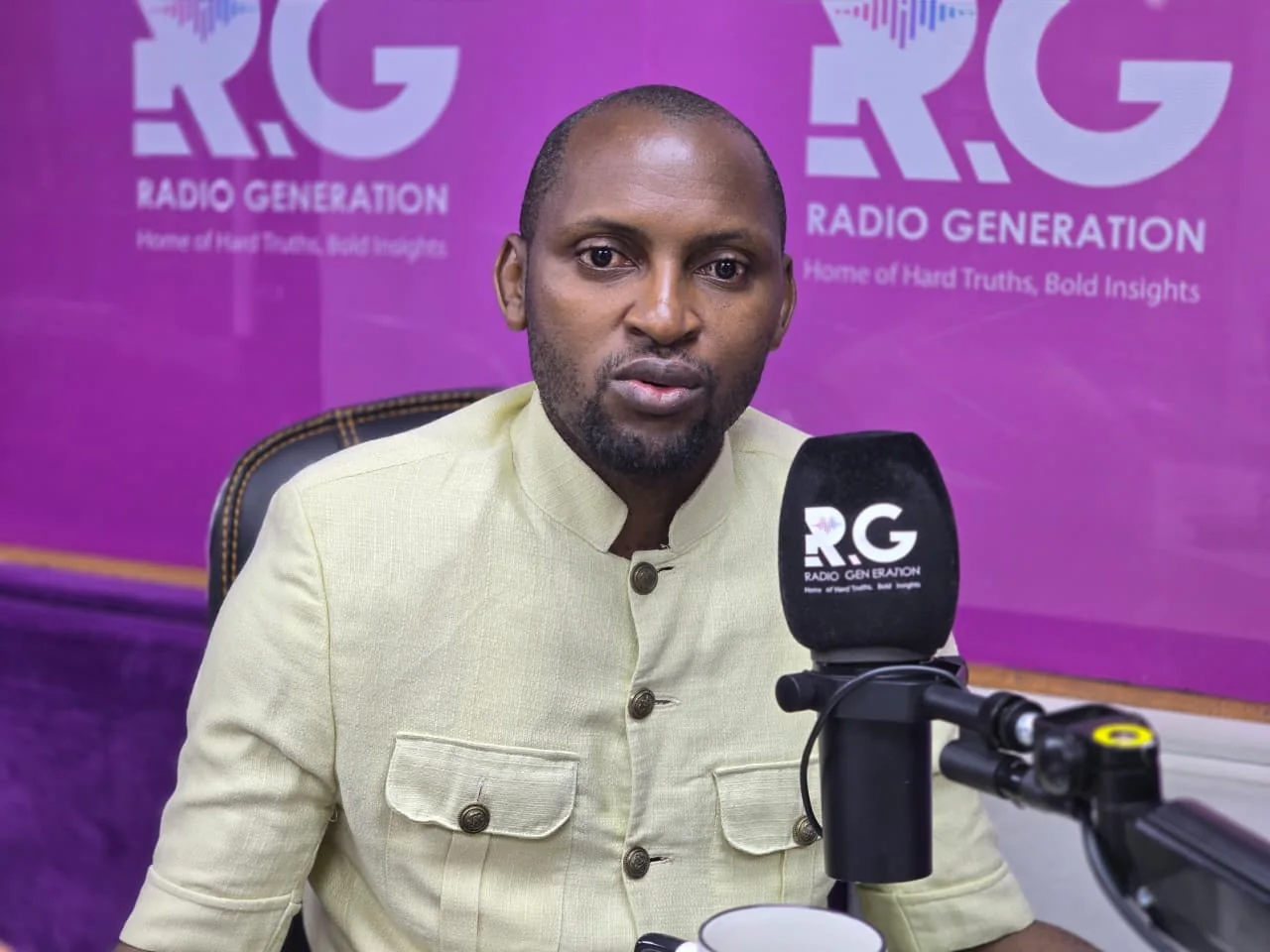
A member of the Linda Mwananchi Youth League, Felix Wambua, has blamed Kenya’s ongoing fuel crisis on heavy taxation, saying multiple levies on petroleum products are pushing up the cost of living and straining key sectors such as transport, agriculture, and education.
Speaking during an interview on Radio Generation on Thursday, Wambua said rising economic hardship and growing poverty levels are being driven more by domestic policy choices than global market conditions alone.
He argued that the fuel crisis cannot be explained only by international factors, insisting that internal fiscal decisions have played a major role in pushing prices higher.
“Poverty is man-made in Africa,” he noted, quoting activist Julius Kamau. “What I am seeing in this fuel crisis is also man-made, because it is quite absurd to have nine taxes on one item, nine of them taxes and levies.”
Wambua said fuel remains a key driver of the economy and should not be subjected to what he described as excessive taxation due to its central role in production and daily life.
“Fuel drives the economy of this country, it drives agriculture, it fully drives engines and machines that produce and manufacture what we consume and use in our daily lives,” he said.
He warned that the impact of high fuel prices is already being felt across sectors, especially transport, pointing to recent threats of strike action by public service vehicle operators as evidence of growing pressure.
“In the transport sector, we are seeing people complain that matatus have called for a strike,” he said. “It should be even an abundance strike, it should be even the young ladies working in salons and bars who are striking, because this will also affect them.”
Wambua further noted that rising fuel costs are affecting essential services such as school transport and learning institutions, saying the ripple effects extend beyond the transport sector.
He linked the economic strain to wider political frustration, arguing that governance decisions have deepened public dissatisfaction over the cost of living.
He said fuel pricing remains a clear example of how policy choices directly affect citizens through multiple taxes and levies added along the supply chain.
Wambua also connected the issue to emerging political movements, pointing to the Linda Mwananchi Youth League as a growing platform driven by calls for reform and dissatisfaction with governance.
He said the movement brings together young people from civil society and different political backgrounds who share concerns over accountability, economic justice, and leadership.
Wambua added that the group is shifting focus from activism to structured political engagement, with young people seeking a stronger voice in decision-making.
“We have now to prepare ourselves from activism to power,” he said, stressing the need for youth participation in leadership.
While noting that the movement is still developing its internal structure, he said its main agenda remains addressing inequality and pushing for reforms, especially in taxation policy affecting essential goods like fuel.
He maintained that fuel taxation is a major burden on citizens and urged a review of the current system of multiple charges on petroleum products.




Comments
Sign in with Google to comment, reply, and like comments.
Continue with Google