KEPSA pushes for PAYE cut to 30% and higher relief in Finance Bill 2026 proposals
KEPSA said the Finance Bill comes at a time when Kenya’s fiscal situation remains under pressure, with the National Treasury targeting Sh3.38 trillion in ordinary revenue collection for the 2025/2026 financial year. At the same time, businesses continue to face high production and operational costs.
Kenya’s private sector has called for major changes to the Finance Bill 2026, warning that some of the proposed tax measures could weaken jobs, raise the cost of doing business, and slow economic growth if passed without adjustments. The proposals were presented to Parliament as businesses urged a shift toward policies that support investment, competitiveness, and expansion of the formal economy.
The submission was made by the Kenya Private Sector Alliance (KEPSA), working together with its Business Membership Organisations, in a consolidated memorandum to the National Assembly Departmental Committee on Finance and National Planning. The memorandum was submitted on May 25 as Parliament continues to review the Finance Bill 2026, which is tied to the country’s fiscal planning for the coming financial year.
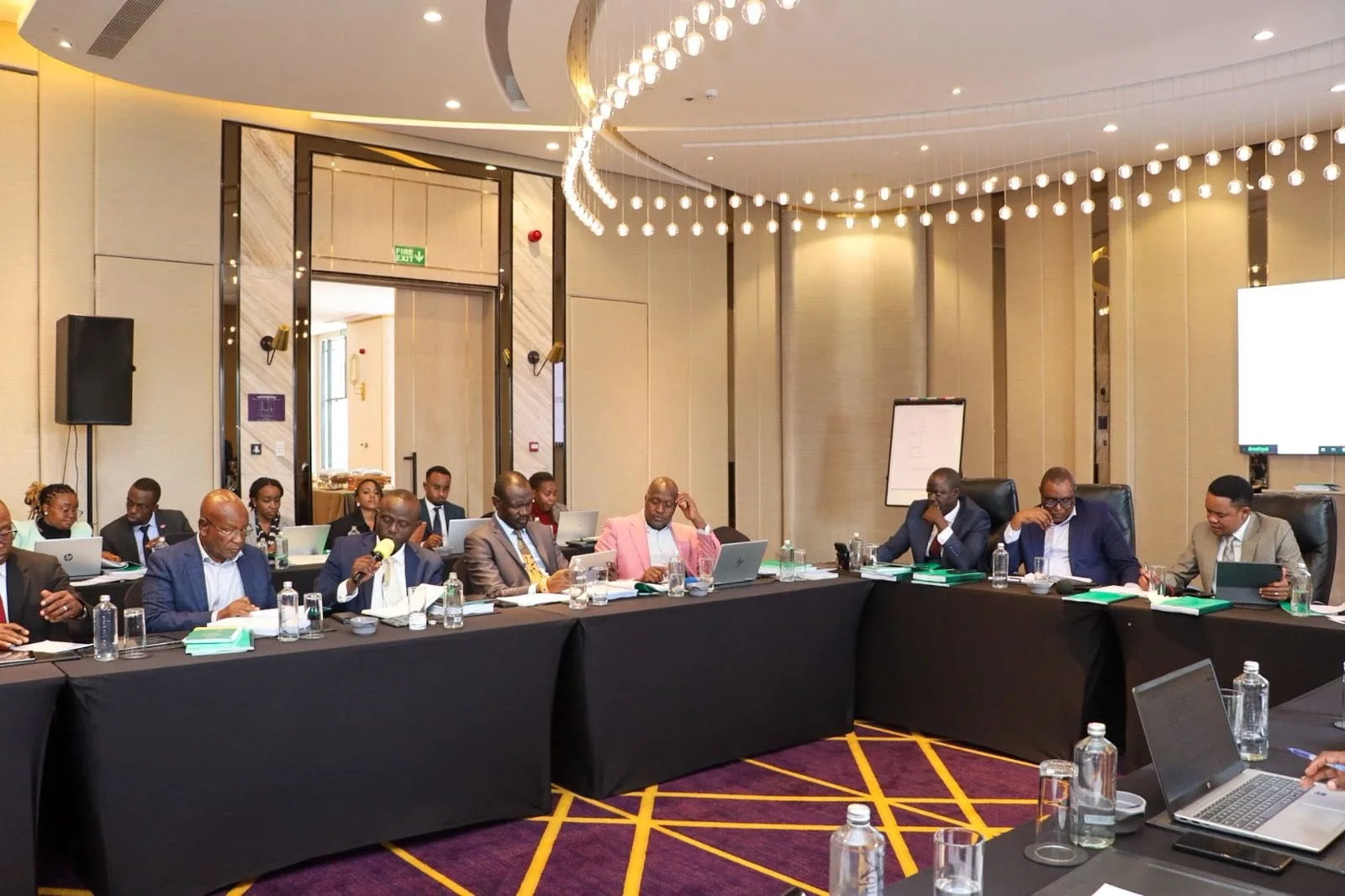
During a joint press briefing organised with the Kenya Bankers Association (KBA) at Glee Hotel in Kiambu County, KEPSA Chairperson Jas Bedi said the private sector supports the government’s Bottom-Up Economic Transformation Agenda (BETA), but warned that policy decisions must balance revenue collection with economic stability.
“As private sector actors, we fully support the government’s Bottom-Up Economic Transformation Agenda (BETA). However, structural economic stability demands an intentional balance between aggressive domestic revenue mobilisation and the preservation of private sector competitiveness,” he explained.
KEPSA said the Finance Bill comes at a time when Kenya’s fiscal situation remains under pressure, with the National Treasury targeting Sh3.38 trillion in ordinary revenue collection for the 2025/2026 financial year. At the same time, businesses continue to face high production and operational costs.
Citing data from the Kenya National Bureau of Statistics (KNBS), KEPSA noted that formal employment remains low compared to informal work. According to the figures, formal jobs account for only 16.2%, equal to about 3.5 million workers, while the informal sector covers 83.8%, or about 18.1 million workers.
According to the Kenya Private Sector Alliance (KEPSA), this imbalance shows the need to expand the formal economy instead of increasing taxes on the already limited base of compliant taxpayers. It argued that long-term revenue growth depends on widening economic activity.
“True revenue growth is a by-product of expanding this economic base, not intensifying tax rates on a shrinking pool of formal taxpayers,” KEPSA stated.
One of the key proposals from KEPSA is a review of the Third Schedule of the Income Tax Act to lower the top PAYE rate from 35% to 30% and increase monthly personal tax relief to Sh3,000. The proposal would also create a tax-free threshold of Sh30,000 for workers.
KEPSA also said salaried workers have been under pressure due to inflation and statutory deductions, including the Affordable Housing Levy and the Social Health Insurance Fund (SHIF). It estimated that real wages have dropped by between 10.7% and 12%.
The Kenya Bankers Association Chief Executive Officer Raimond Molenje supported the proposal, saying it would help increase household spending and improve overall economic activity.
“This 5% relief would inject Sh28.1 billion back to workers, boosting household spending, increasing indirect tax collection, reducing non-performing loans (NPLs), and driving a GDP output boost of approximately Sh210 billion in the first year,” he explained.
The Kenya Private Sector Alliance (KEPSA) also raised concern over proposals to introduce a 16% Value Added Tax (VAT) on digital payment processing, transfers, and merchant acquiring services. It warned that this could increase transaction costs and affect financial inclusion.
“Taxing digital processing triggers a cascading tax effect that increases transaction costs and the cost of doing business,” the alliance stated.
KEPSA further opposed plans to extend withholding tax to card network interchange fees, saying it would create uncertainty in the financial system and discourage investment in payment infrastructure. The organisation said the combined effect of these proposals could push up costs on a Sh100 Merchant Discount Rate from Sh15 to Sh53.4.
The alliance also flagged concerns across key sectors of the economy, including manufacturing, aviation, and green energy.
In manufacturing, KEPSA warned that introducing a 25% excise duty on unbleached Kraft paper would raise agricultural packaging costs by 42%, making fresh produce exports less competitive in regional and global markets.
It also opposed proposals to remove VAT exemptions on electric motorcycles, bicycles, and lithium-ion batteries, saying the move would slow down Kenya’s shift to e-mobility and reduce green investment.
In the aviation sector, KEPSA said removing VAT exemptions on aircraft and spare parts would place operators under pressure from multiple charges, including VAT, Import Declaration Fee, and Railway Development Levy. It warned that this could push technical and cargo operations to other regional markets.
The organisation also raised concern over proposed changes to the Tax Procedures Act that would allow the Kenya Revenue Authority to freeze company bank accounts even when disputes are still before court.
“Forcing account freezes mid-litigation forcefully drains corporate liquidity before a court can rule on a case’s merits,” the alliance stated.
KEPSA urged Parliament to reconsider the contested clauses and adopt a policy direction that supports investment, industrial growth, and job creation. It said Kenya should move away from heavy tax pressure and focus on expanding the tax base through growth.
“By refining these clauses, removing unclaimable input burdens, and maintaining statutory safe harbours, we can move our national fiscal policy away from a desperate regime of ‘taxing for survival’ and embrace a progressive, predictable framework of ‘taxing for growth’,” Bedi concluded.



Comments
Sign in with Google to comment, reply, and like comments.
Continue with Google