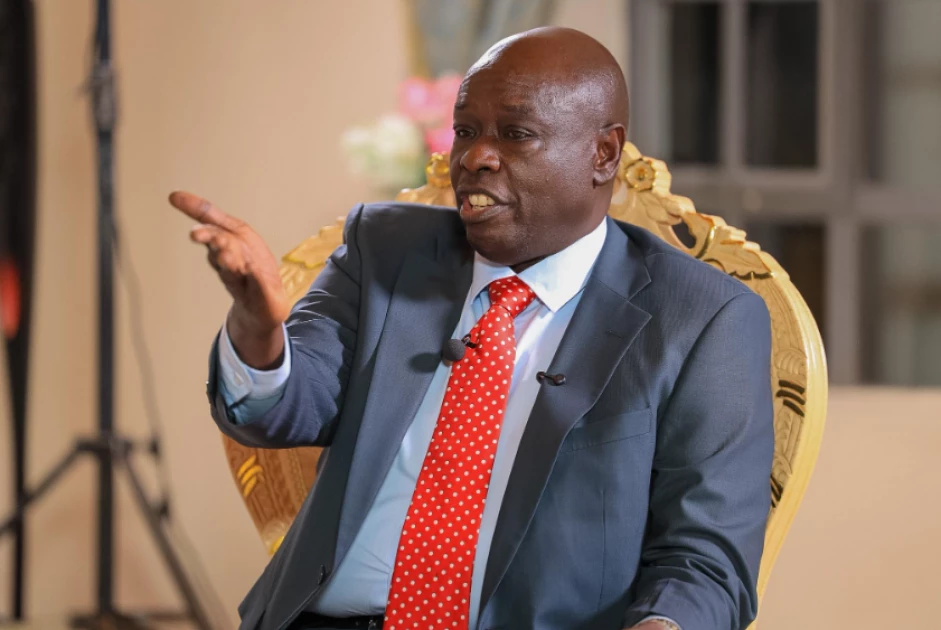
Former Deputy President Rigathi Gachagua has pushed back against growing talk that he and retired President Uhuru Kenyatta need a public reconciliation ceremony, maintaining that their personal relationship has already been restored and no public display is necessary.
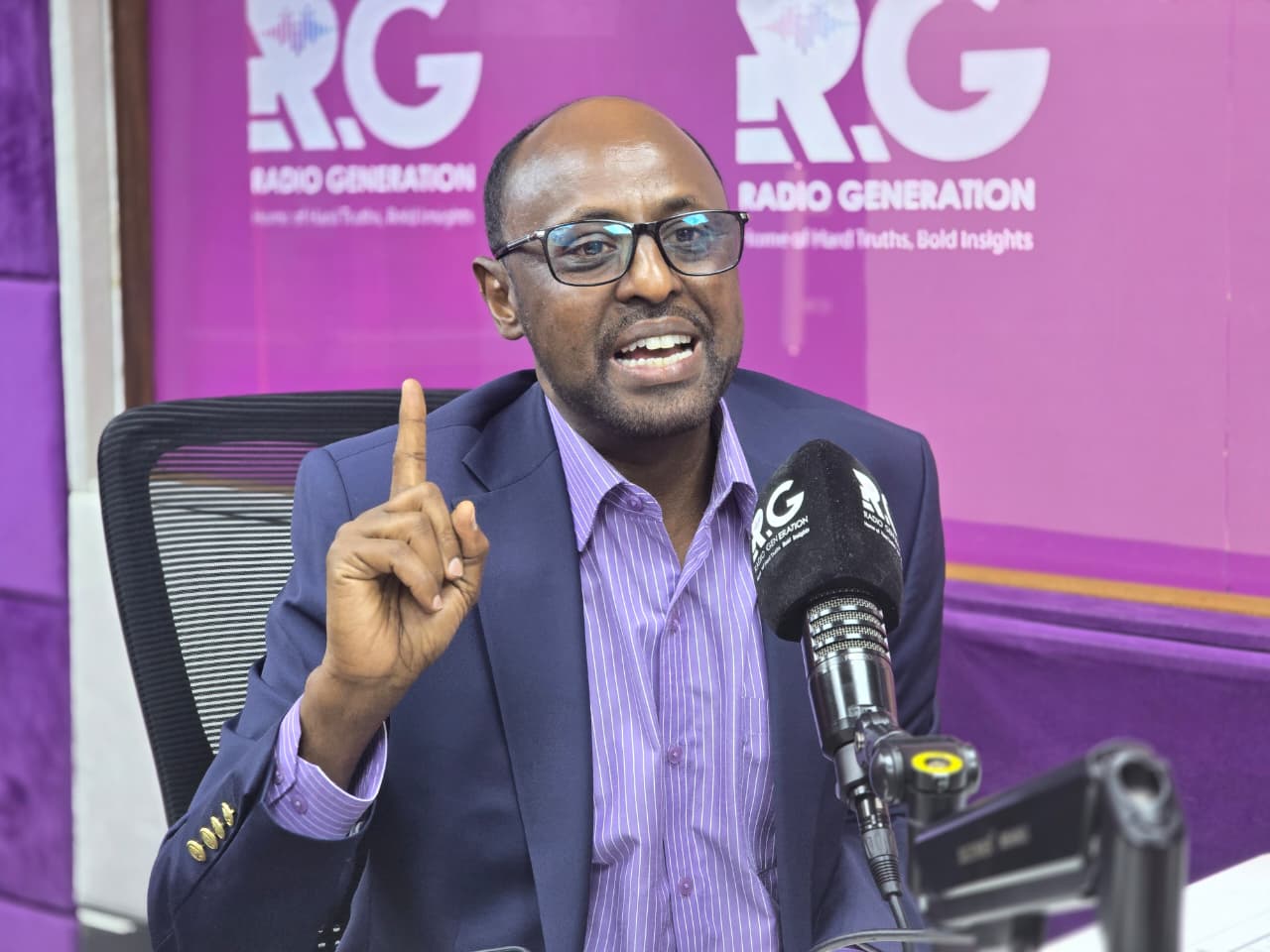
Speaking during an interview on the Iko Nini podcast on Friday, March 27, 2026, Gachagua explained that the differences between him and Kenyatta emerged during the 2022 General Election period, when he aligned himself politically with President William Ruto instead of the former head of state’s preferred direction.
He described the disagreement as strictly political, stressing that it did not affect their long-standing personal connection. Gachagua said their association goes back many years, including a period when he worked closely under Kenyatta in a professional capacity.
“Uhuru is my older brother. For your information, I served as personal assistant for seven years. I believed in him and his leadership. Along the way in politics, when I decided to support William, it is his wish, we differed politically, and it was very acrimonious, as it was in politics,” Gachagua explained.
He noted that although the political contest created tension, the relationship between them remained intact at a personal level. According to him, the dispute was a natural outcome of political competition rather than a breakdown in trust or respect.
Gachagua added that once the elections concluded, he took steps to ease tensions by reaching out to Kenyatta and offering an apology for any statements made during the heated campaign period.
“After we won, it is me who took the first step. I took the very courageous step to apologize to the President for whatever I could have said that would find a name, and it was forgiven,” he said.
The remarks come at a time when speculation has been rising over whether the two leaders have quietly rebuilt their ties, amid ongoing political activity linked to early preparations for the 2027 General Election.
Discussions around emerging political groupings, including those associated with the United Alternative direction, have further fueled debate on possible realignments within the political scene.
Despite the public chatter, Gachagua insisted that calls for a formal handshake are misplaced, arguing that their connection is already rooted in family-like ties rather than political necessity.
“People keep on saying that we need to do a handshake with the President. Handshake for what? We are brothers; the issue of family. you cannot keep on asking,” he stated.
Gachagua also used the platform to defend Kenyatta from criticism coming from some government-aligned figures, particularly those questioning his continued involvement in political matters. He opposed suggestions that the former president’s retirement benefits should be withdrawn.
He argued that such actions would be unfair and unlikely to stand if political power shifts in the future, framing the benefits as a matter of principle.
“He has worked hard for himself, has a lot of money, and will not be punished if such benefits are withheld,” Gachagua said.
He went further to emphasize that his support for Kenyatta goes beyond politics, describing it as a personal obligation that he intends to uphold consistently.
“I will not allow any leader from the government side to attack Uhuru Kenyatta. I will always come out to defend him. It is now my duty to do so,” he declared.
The statements add to increasing signals of shifting political dynamics, as key figures continue to position themselves ahead of the next election cycle, with attention turning to possible alliances and counter-alliances shaping the race.