Football Kenya Federation is urging the integration of football into Kenya’s broader development agenda, positioning the sport as a catalyst for economic growth, youth employment, tourism, and international relations.
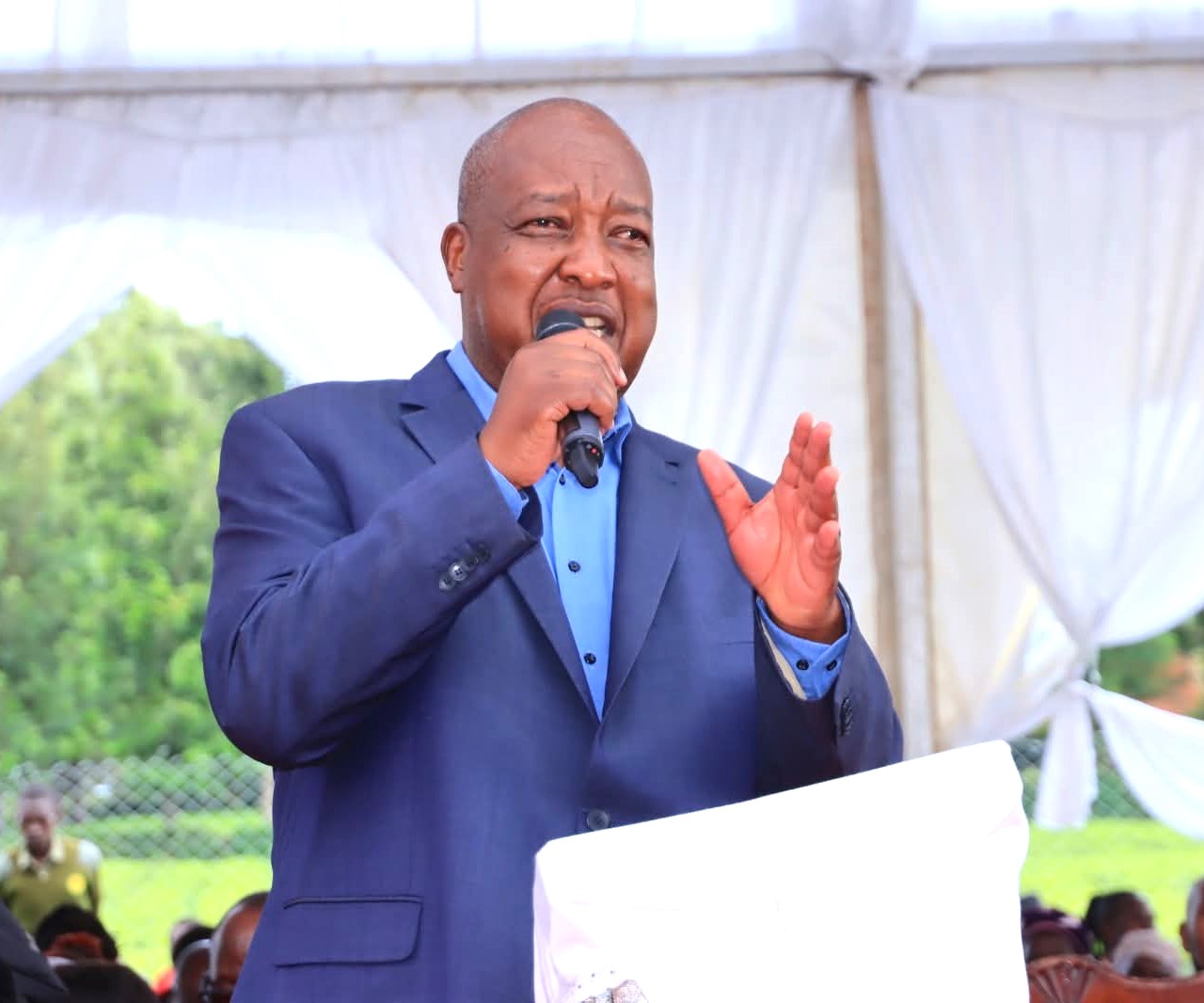
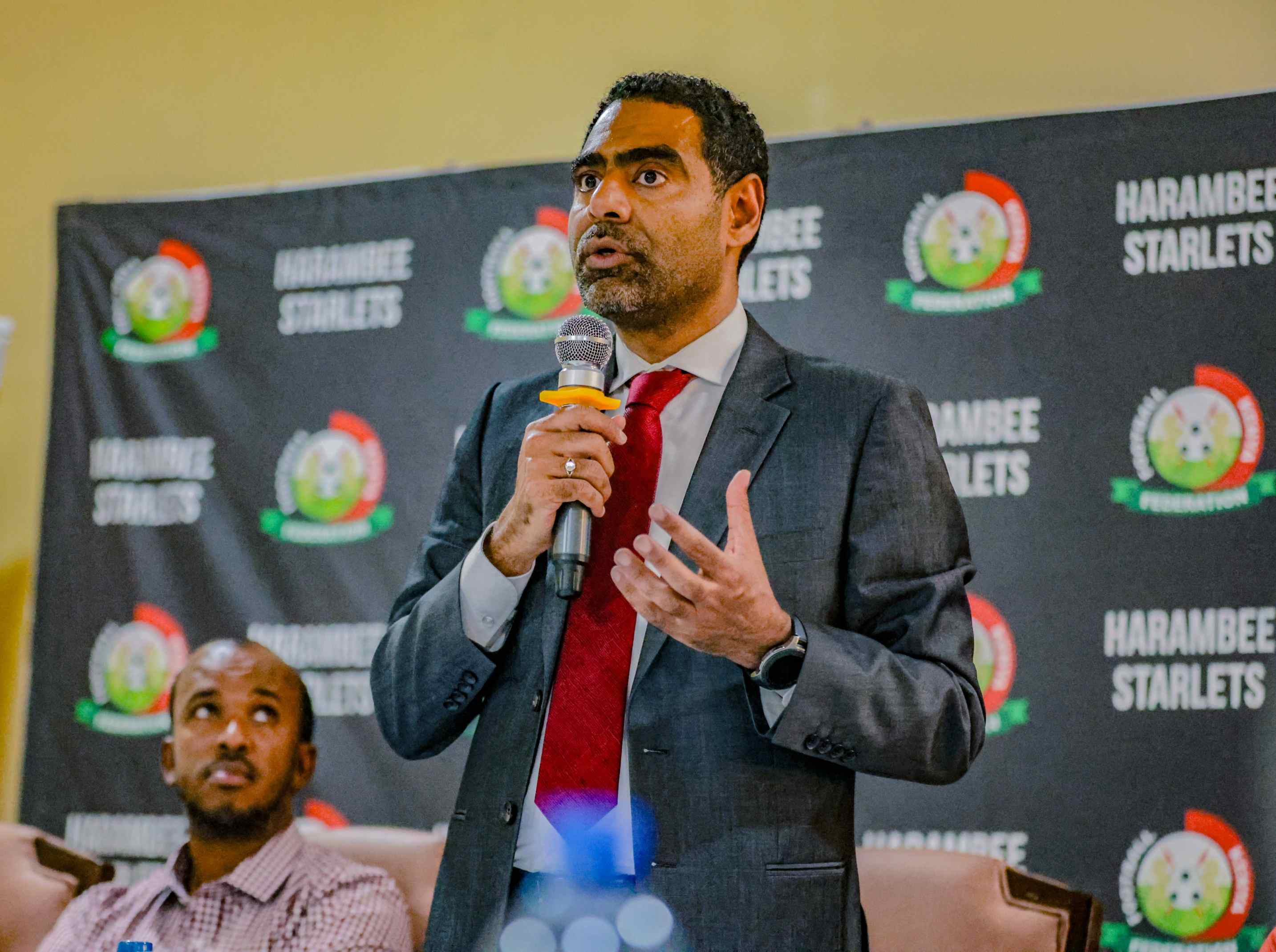
Speaking at the Kenyan Ambassadors Conference on March 30, 2026, FKF President Hussein Mohammed said football has evolved into a powerful unifying force that goes beyond competition to shape societies and economies.
“Sports—particularly football—has evolved far beyond just competition. It has now become one of the strongest and most powerful unifying forces in the world,” he said, noting that the game transcends “boundaries, religions, languages, and cultures.”
He emphasized that in Kenya, football plays a critical social role, bringing citizens together and offering young people a platform for engagement and opportunity.
“When our national team is playing, all divisions fade. Kenyans become one people, rallying behind a common purpose,” he said, referencing the unity witnessed during recent tournaments.
Beyond social cohesion, Mohammed highlighted football’s growing economic significance, particularly through sports tourism.
He pointed to major continental tournaments as proof of the sector’s potential, saying such events generate billions in economic impact while boosting sectors like hospitality, transport, and infrastructure.
The FKF president highlighted the upcoming FIFA Series Women’s tournament as a pivotal moment for Kenya.
“It is more than just a tournament—it is a platform… to showcase Kenya to the world, to elevate women’s football, and to reinforce our position as a capable and credible host of international events,” he said.
He added that Kenya’s experience hosting the African Nations Championship (CHAN) demonstrated the country’s readiness to stage major competitions and leverage them for broader economic and diplomatic gains.
According to Mohammed, such events not only attract visitors but also “reposition countries as prime destinations” and “accelerate the development of infrastructure.”
FKF is now shifting from a purely administrative role to a more strategic, partnership-driven approach aimed at maximizing football’s impact. This includes engaging embassies and international partners to integrate cultural exchange, trade, and investment opportunities into sporting events.
“We can no longer treat sports—especially football—as an extracurricular sector,” Mohammed said. “Football must be integrated within national development frameworks.”
He added that the federation is pursuing global collaborations to support infrastructure development, knowledge exchange, and capacity building, with the ultimate goal of building “a sustainable ecosystem within football that delivers meaningful economic growth, social cohesion, and strong global positioning.”