Prof. Fiona Ngarachu: Global power shifts signal rise of multipolar conflicts
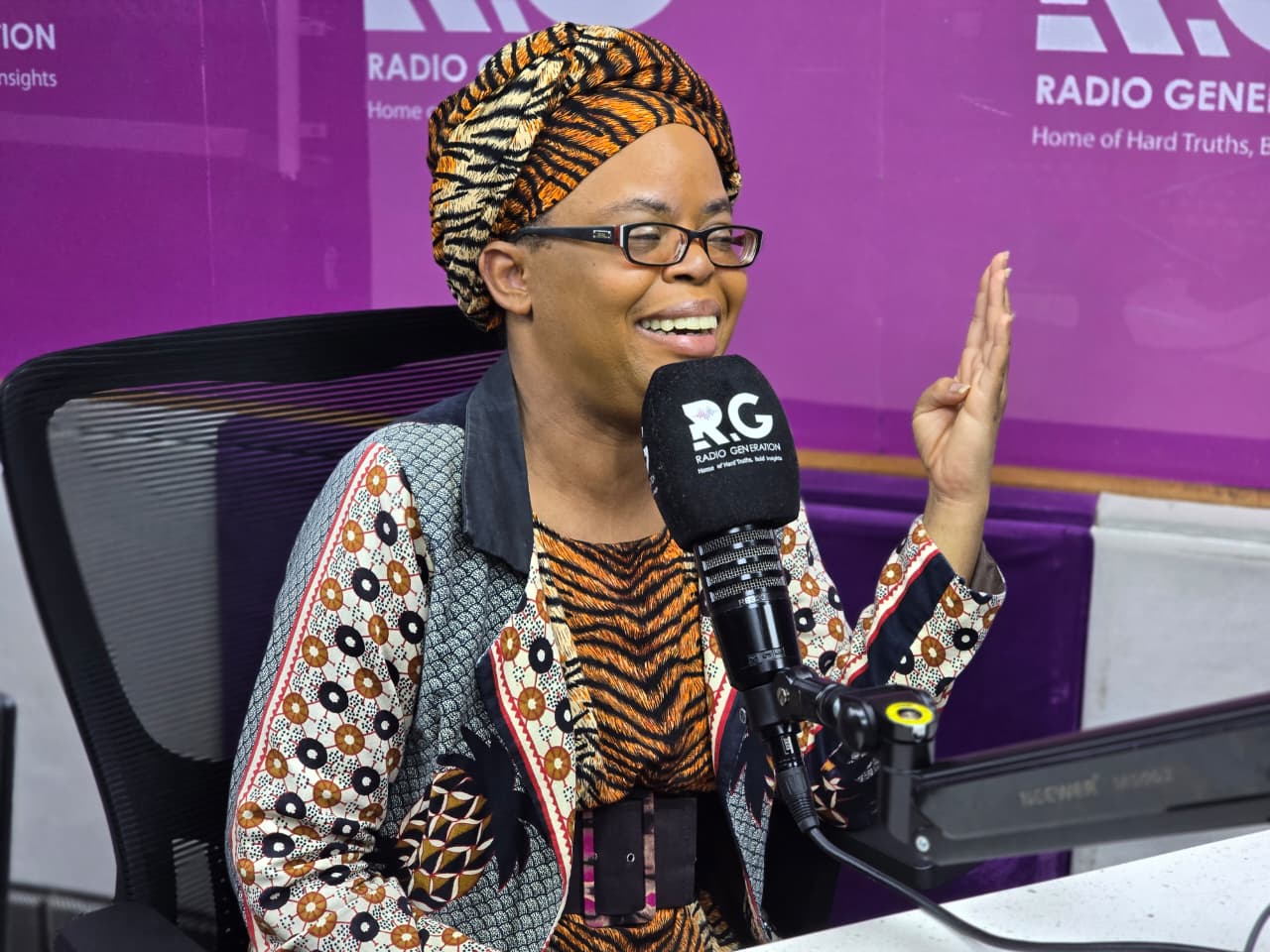
Assistant Prof. Fiona Ngarachu says the global order is shifting to multipolarity, with regional conflicts, economic competition and leadership psychology reshaping international politics and state behaviour.
Assistant Prof. Development Studies, Fiona Ngarachu says the global order is shifting toward multipolarity, with regional conflicts, economic competition and leadership psychology shaping international politics.
She argues that historical institutions, trade dynamics and ideology explain why revolutions and regime changes do not always transform state behaviour.
Speaking on Radio Generation on Wednesday, she argued that global politics is increasingly shaped by regional dynamics.
“What I see in the world is essentially a multipolar war,” she said, explaining that conflicts today tend to remain regionally concentrated while still affecting international relations.
She said historical patterns, including World War conflicts, shaped modern institutions designed to prevent large-scale global wars.
However, she noted that evolving alliances and economic competition continue to redefine geopolitical relationships.
Ngarachu highlighted the role of leadership psychology in international relations, saying wartime leaders often maintain political support during conflicts.
“It’s very hard to remove a wartime president,” she said, adding that conflict situations can influence electoral outcomes and public perception.
She argued that certain political systems maintain continuity regardless of leadership changes.
“We cannot divorce behaviour of states from personal objectives of their leader,” she said, stressing that individual decision-making can shape national strategies.
Discussing China’s global role, the expert said major powers behave differently depending on regional influence.
“They know what they have,” she said, referring to China’s economic strength and strategic positioning in Asia.
She added that economic shifts, including trade disputes and tariffs, have long-term consequences for global supply chains.
“When he imposed tariffs immediately,” she said, explaining how trade measures can prompt countries to diversify partners and markets.
Ngarachu said alliances between major Asian economies demonstrate how regional cooperation can emerge in response to external pressures.
“Those three countries were like, what are our alternatives?” she said, describing strategic discussions triggered by economic competition.
She emphasised that globalisation has increased interdependence, meaning conflicts in one region can affect others.
“Anything that’s happening in the world has a potential impact,” she said, highlighting interconnected trade systems, migration patterns and diplomatic ties.
She said revolutions do not always transform institutional systems.
“Revolutions actually are not revolutionary,” she said, arguing that structural frameworks often remain intact after leadership changes.
She added that historical legacies, including colonial administrative systems, continue to influence governance structures in many countries.
“We inherited the structures of colonial power,” she said, noting that institutional continuity shapes state behaviour.
According to her, the rise of regional conflicts across Asia, the Middle East and Africa suggests a shift away from traditional two-bloc confrontations.
“These are regional conflicts that affect other countries,” she said, referencing ongoing instability in multiple parts of the world.
She concluded that modern geopolitics requires understanding economic, ideological and institutional factors together.


Comments
Sign in with Google to comment, reply, and like comments.
Continue with Google