Heavy caseload continues to slow justice despite gains in case clearance - Ndemo
According to the 2024/25 State of the Judiciary and the Administration of Justice report, courts resolved 647,686 cases against 621,425 new filings, achieving a 104 percent case clearance rate. This contributed to a 30 percent reduction in backlog and a 3 percent drop in pending cases overall.
Kenya’s Judiciary is under increasing pressure from a rising number of cases that continue to overwhelm available judicial officers, despite recent gains in case resolution.
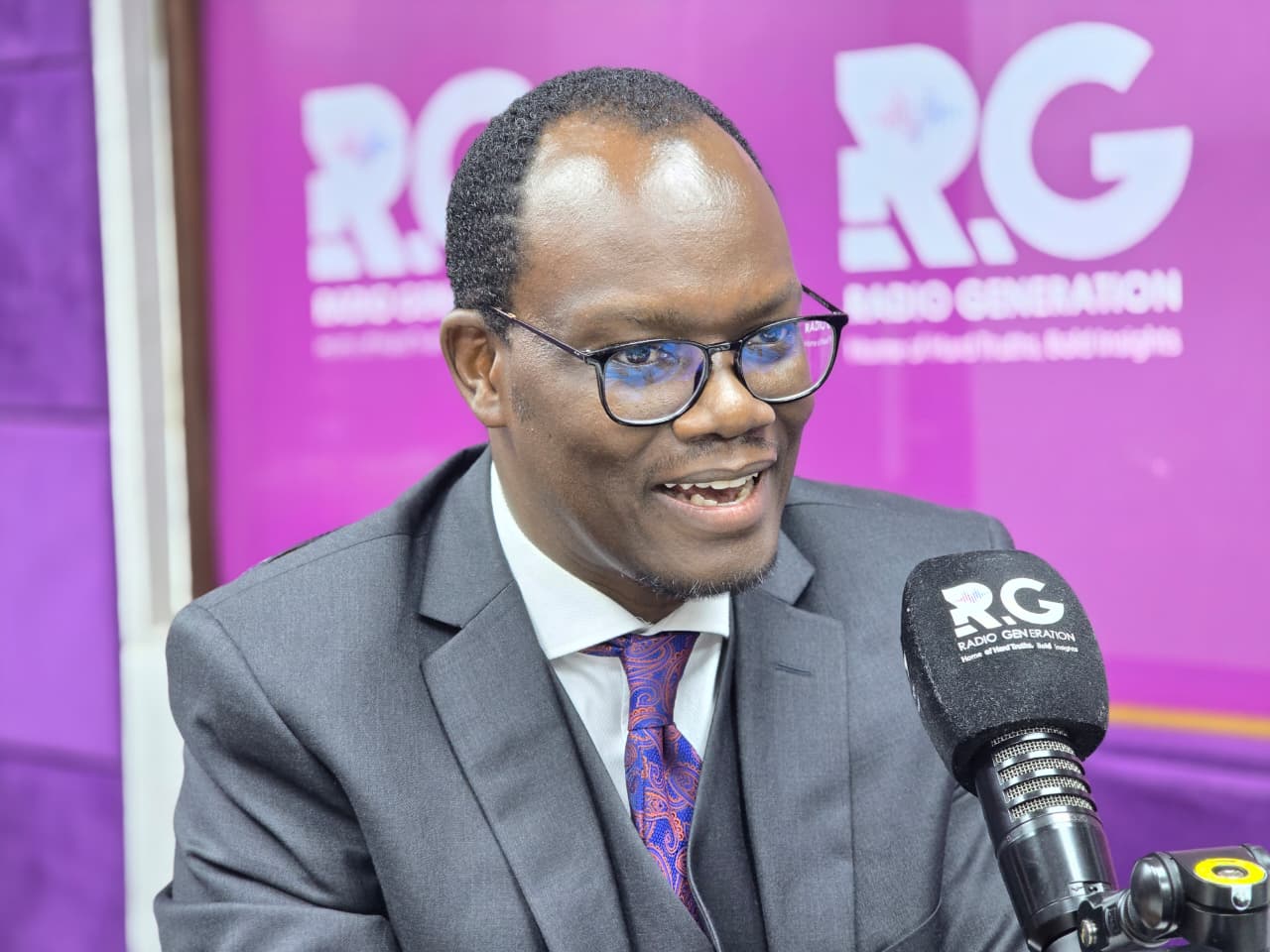
Deputy Chief Registrar and Judiciary Spokesperson Paul Ndemo said about 620,000 new cases are filed every year, yet they are handled by roughly 660 magistrates, meaning each officer deals with an average of nearly 1,400 cases annually. He added that judges also carry a heavy load, handling about 800 cases each year.
Speaking on Radio Generation on Wednesday, Ndemo said the growing volume of cases continues to outpace the Judiciary’s capacity, making it difficult to conclude matters within a reasonable time.
“Last year alone for the entire judiciary, 620,000 cases were filed… now those 620,000 cases are supposed to be determined by approximately 600 magistrates,” he said, noting that this translates to about 1,400 cases per magistrate annually, while judges handle around 800 cases each per year.
He pointed out that even though the Judiciary has been able to clear more cases than those filed, the pressure remains high.
“We were able to have what we call a case clearance rate of 104%, meaning we were able to determine slightly more cases than those that were filed,” Ndemo said.
However, he warned that delays are still unavoidable under the current workload.
“However, he cautioned that “it is very difficult for you to have a case filed now and then determined within… one year” under such conditions.”
Ndemo said the Judiciary would require at least 1,200 magistrates, nearly double the current number, in order to significantly reduce the backlog and speed up case handling.
“If you have double that number… this 104%… can easily go to even 120% or 130% and within a period of maybe three years, you can find the backlog coming down,” he stated.
He acknowledged that delayed justice remains a major concern for many Kenyans, noting that the Judiciary is aware of the frustration caused by long court processes.
“We are so aware… that one of the biggest pain points… is having cases that take long… we are not happy about it,” he said.
Ndemo also highlighted ongoing reforms aimed at improving efficiency, including digitisation and the Mahakama Popote initiative, which enables magistrates in less busy stations to handle cases from high-volume courts such as Milimani in Nairobi through virtual hearings.
“Because of technology, we have mapped out magistrates in those far-flung areas and said, you take some cases… you listen to those cases virtually,” he explained.
According to the 2024/25 State of the Judiciary and the Administration of Justice report, courts resolved 647,686 cases against 621,425 new filings, achieving a 104 percent case clearance rate. This contributed to a 30 percent reduction in backlog and a 3 percent drop in pending cases overall.
The report also shows a shift in case trends, with criminal matters decreasing by 8 percent while civil cases rose by 58 percent, driven largely by the expansion of Small Claims Courts, now numbering 40 across the country.
It further highlights reforms such as Court-Annexed Mediation, Service Weeks, and the Mahakama Popote system, which collectively helped redistribute more than 19,000 cases.
Despite these improvements, the Judiciary continues to face major structural challenges, including a funding gap of Sh22.12 billion and staffing levels at only 64 percent of what is required, both of which continue to affect the speed of justice delivery.



Comments
Sign in with Google to comment, reply, and like comments.
Continue with Google