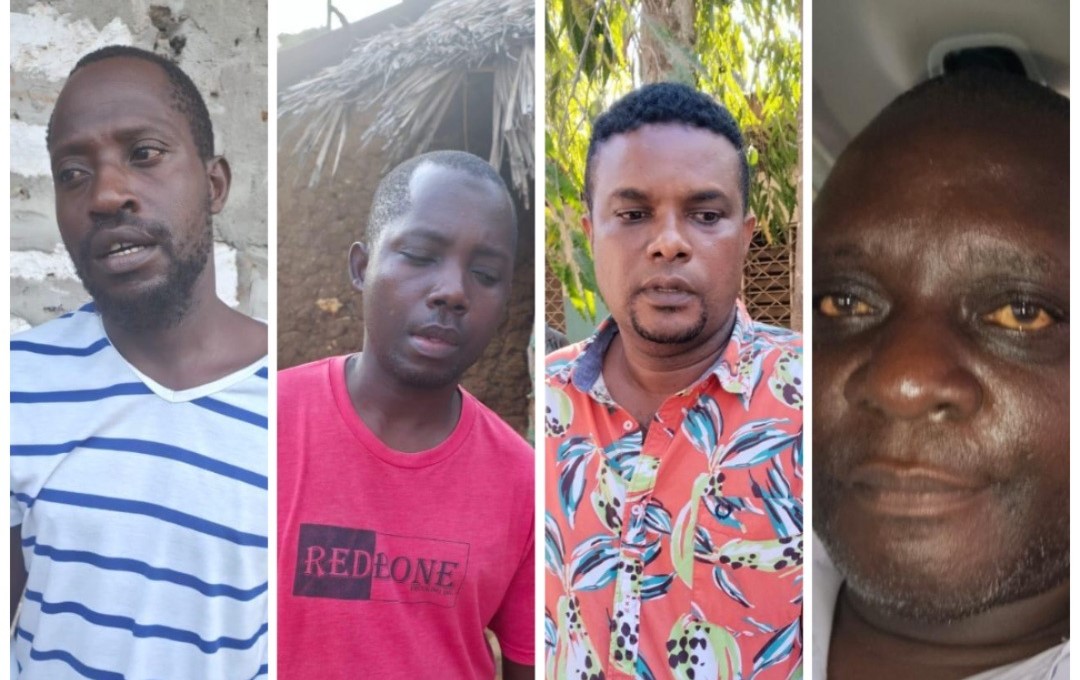
Contrary to earlier estimates, only 252 Kenyans are confirmed to be participating in the Russia-Ukraine conflict, the government has stated.
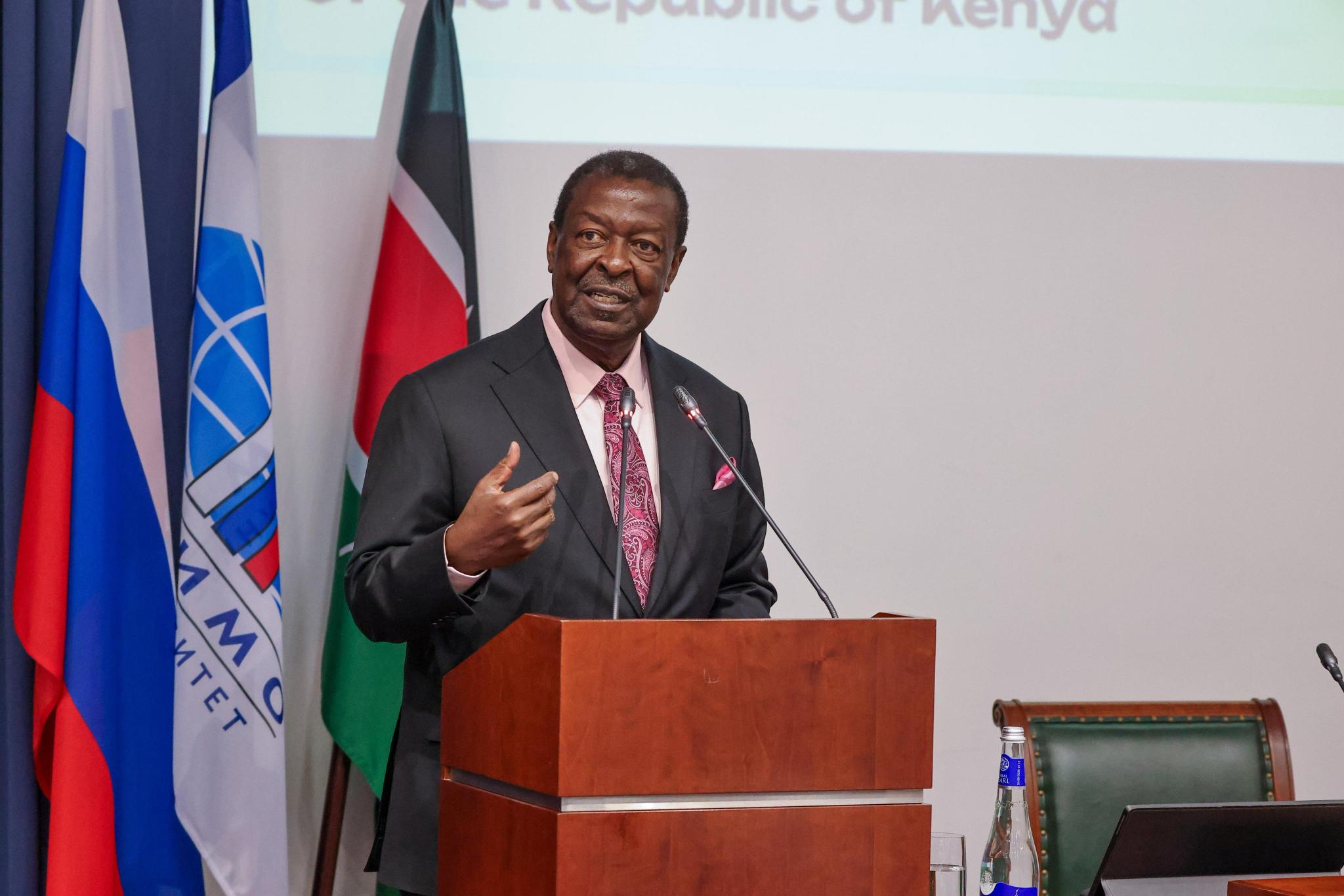
Foreign and Diaspora Affairs Cabinet Secretary Musalia Mudavadi revealed the figure during an interview with Citizen TV on Tuesday, highlighting the ongoing challenge of monitoring citizens who have joined the war either voluntarily or through deceptive recruitment schemes.
Mudavadi explained that the verified numbers come from embassy records in Russia, but the true count could be higher as some recruits traveled through other countries, making it difficult to trace their movements.
“The records we have from the embassy in Russia indicate 252 Kenyans. That is the figure we can verify. There could be more because some individuals went through third-party countries, not directly from Nairobi to the conflict zone. But without verification, I can only quote what has been confirmed by the embassy,” he said.
He added that some Kenyans are still on the frontline and cannot be contacted, while others are in hospitals where embassy officials have managed to communicate with them. At least 44 have returned home, some after hospital treatment, and around 11 are still missing, pending verification.
“Some are definitely on the frontline and cannot be communicated with directly. Some are in hospitals, and our mission has spoken to them. Forty-four have returned home. Some walked out of hospitals after treatment and were assisted to leave. Others decided to remain in the conflict. Unfortunately, we have lost some, and verification is ongoing for those recorded as missing in action, which could be around 11 people so far,” Mudavadi said.
Efforts to Track Citizens
The Kenyan embassy in Russia has established a dedicated platform for families to report the whereabouts of their loved ones. Mudavadi said the mission has received numerous messages from relatives, and frontline recruits have also used the system to send signals confirming their status.
“They have put out a website for Kenyans to indicate where they are. Some of these contacts came through that website. At the same time, some Kenyans on the front line have also sent signals to help us understand or clarify the numbers,” he said.
Mudavadi stressed that tracing all participants is complicated due to multiple transit routes. Some were allegedly lured through fraudulent agencies, while others knowingly joined the Russian military.
“The Constitution allows freedom of movement. Kenyans are not restricted when they travel. Somebody can leave Nairobi, go to another country, and then to a third or fourth country. We cannot track that movement. There are two sides to this. Some were lured or went through fraudulent agencies, while others knowingly enlisted. There are lapses in law and processes that need to be addressed, including stricter immigration laws for those seeking employment abroad,” he explained.
Legal Implications and Humanitarian Response
Mudavadi said some intelligence on recruitment channels remains classified as investigations continue into potential human trafficking and illegal enlistment.
“We emphasise that these Kenyans signed contracts, but we are focused on stopping further enlistment. We also need to highlight the challenge this situation presents. If it is a trafficking issue, what demands were made to the Russian government? Russia recruits through contracts, and some Kenyans may have been lured. Some Kenyans face possible charges or have written statements with Kenyan investigative agencies for their involvement. Kenya is a signatory to the UN and AU conventions prohibiting mercenary activity. What has been happening is illegal,” he said.
He noted Section 68 of the Penal Code, which prohibits Kenyans from joining foreign armies without presidential consent, warning that violations carry legal consequences.
Mudavadi clarified that while the government will assist repatriation, it will not assume contractual obligations undertaken without state approval. He added that prosecution or amnesty could be considered on humanitarian grounds.
“First, the humanitarian challenge must be addressed. Kenya can prosecute them or consider amnesty, but the message is that illegality was committed, with serious consequences. Kenyans should seek guidance from the Ministry of Labour or foreign affairs before engaging in such contracts,” he said.
Previous Reports
The NIS had earlier told Parliament that more than 1,000 Kenyans had joined the conflict, often misled by agents promising well-paid employment abroad. Majority Leader Kimani Ichung’wah noted that some recruits transited through Istanbul, Turkey, and Abu Dhabi, UAE, using transit visas to bypass scrutiny.
“Some agencies have colluded with rogue airport staff from the Directorate of Immigration, DCI, and the National Employment Authority to bypass scrutiny at JKIA. Close to 1,000 have not all travelled directly from Kenya; some were already in the diaspora,” Ichung’wah told MPs.
Records indicate 39 hospitalised, 30 repatriated, 28 missing, 35 in camps, 89 on the frontline, one detained, and one completed their contract. The recruits were promised monthly salaries of Sh300,000, bonuses ranging from Sh900,000 to Sh1.2 million, and Russian citizenship. Some were recruited by an unaccredited agency registered in 2024, operating under false claims of government programmes.