Cancer agency seeks Sh250m boost to strengthen prevention, diagnosis
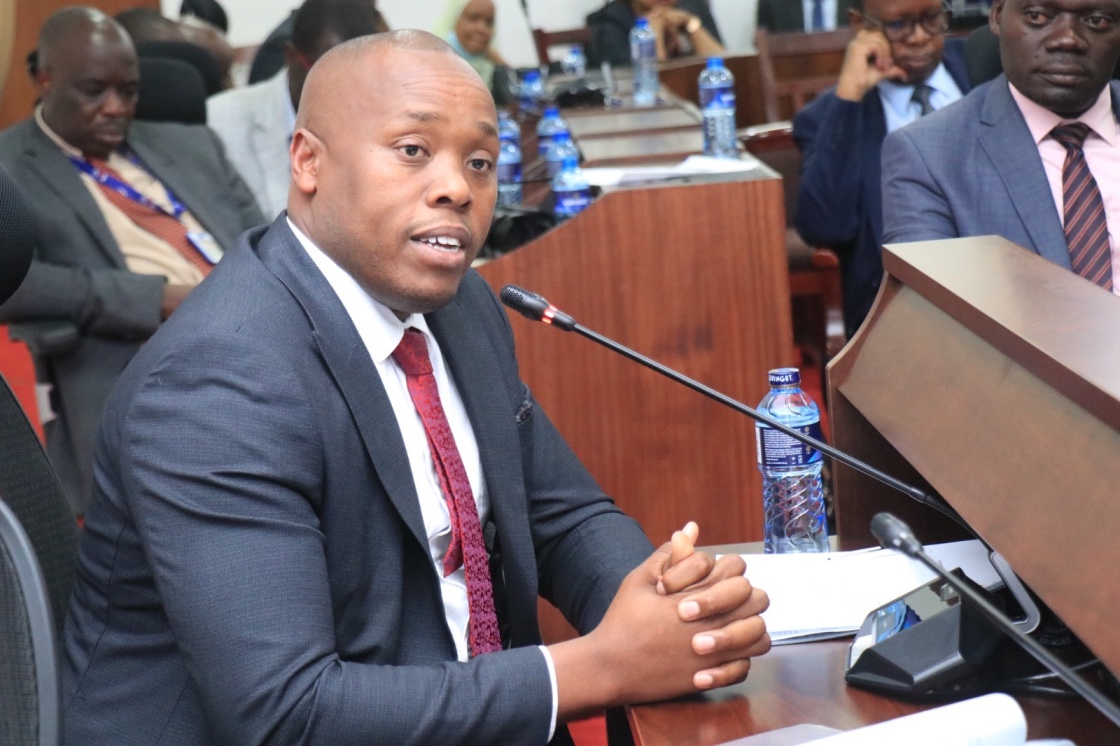
Acting Chief Executive Officer of the National Cancer Institute of Kenya, Elias Melly has warned that inadequate funding is undermining the country’s fight against cancer despite heavy investments in treatment infrastructure.
The government’s main agency tasked with coordinating cancer control efforts has appealed to Parliament for an additional Sh250 million in the current financial year to address critical gaps in prevention, early detection, and diagnosis.
Appearing before the National Assembly departmental committee on Health during consideration of Supplementary Estimates I for the 2025/2026 financial year the Acting Chief Executive Officer of the National Cancer Institute of Kenya, Elias Melly, has warned that inadequate funding is undermining the country’s fight against cancer despite heavy investments in treatment infrastructure.
Melly told the MPs of the National Assembly Committee on Health said that the institute had proposed a budget of Sh4.1 billion for the 2026/2027 financial year during the health sector budget discussions but was allocated only about Sh340 million, a figure he said falls far short of the resources required to implement its mandate under the Cancer Prevention and Control Act.
“This will not address the challenge that we are facing if we have to operationalise the National Cancer Institute and achieve its mandate of reducing the cancer burden in the country,” Melly said.
He noted that while Kenya has made significant investments in cancer diagnosis and treatment facilities in major hospitals, limited funding has been directed to prevention and early detection, which experts say offer the most cost-effective way to control the disease.
Kenya’s leading referral hospitals, including Kenyatta National Hospital, Kenyatta University Teaching, Referral and Research Hospital and Moi Teaching and Referral Hospital have in recent years expanded oncology services, including chemotherapy, surgery and radiotherapy.
However, Melly argued that prevention efforts remain severely underfunded.
“Evidence shows that if you invest one dollar in prevention, you save about sixteen dollars in treatment,” he said, urging lawmakers to support stronger screening programmes.
The institute is seeking Sh50 million in the supplementary budget to recruit additional staff approved by the Public Service Commission, saying the current workforce is too small to support nationwide programmes.
Under the law, the institute is mandated to coordinate cancer control strategies and help operationalise national cancer control centres across all 47 counties, a responsibility that Melly said cannot be fulfilled without adequate human resources.
The institute has also requested Sh48.5 million to support screening and early detection programmes targeting cancers that account for the majority of cases in Kenya.
According to the institute, breast, cervical, oesophageal, colorectal and prostate cancers account for more than 60 pecent of the country’s cancer burden, yet all are potentially detectable at early stages through screening.
Melly said the agency currently lacks funds to continue screening activities in the remaining three months of the financial year.
Another Sh41.5 million has been requested for public education and awareness campaigns after pilot programmes at sub-county level generated increased demand for cancer information among communities.
“Many Kenyans are asking who is responsible for creating cancer awareness, and the finger is pointed at the National Cancer Institute,” he said.
The agency also plans to strengthen diagnostic capacity by operationalising the country’s national cancer reference laboratory, which exists but remains underutilised due to lack of resources.
Melly said pathology the microscopic examination of tissues is the weakest link in the cancer care chain despite progress in treatment and imaging technologies.
“The reference laboratory would serve as the apex diagnostic facility for the country and support medical research and clinical trials in the future,” he said.
During the session, Joshua Oron, the MP for Kisumu Central, questioned why cancer services in the country remain fragmented despite earlier discussions within the committee about bringing them under a single coordinating structure.
He recalled that lawmakers had proposed placing regional cancer centres under the institute’s management to improve coordination and support counties struggling to run the facilities.
Melly acknowledged the proposal but said implementing such a structure would require legal and governance clarity.
He noted that cancer control in Kenya involves multiple actors across national and county governments, creating fragmentation that complicates coordination.
“If that has to be done, it would require addressing governance issues, possibly amending the law or signing agreements to avoid conflicts between national and county functions,” he said.
Despite the challenges, Melly expressed optimism that Parliament would consider strengthening the institute’s budget in the upcoming national budget.
“For the remaining three months, we are only requesting Sh250 million to support these critical initiatives,” he told the committee.




Comments
Sign in with Google to comment, reply, and like comments.
Continue with Google