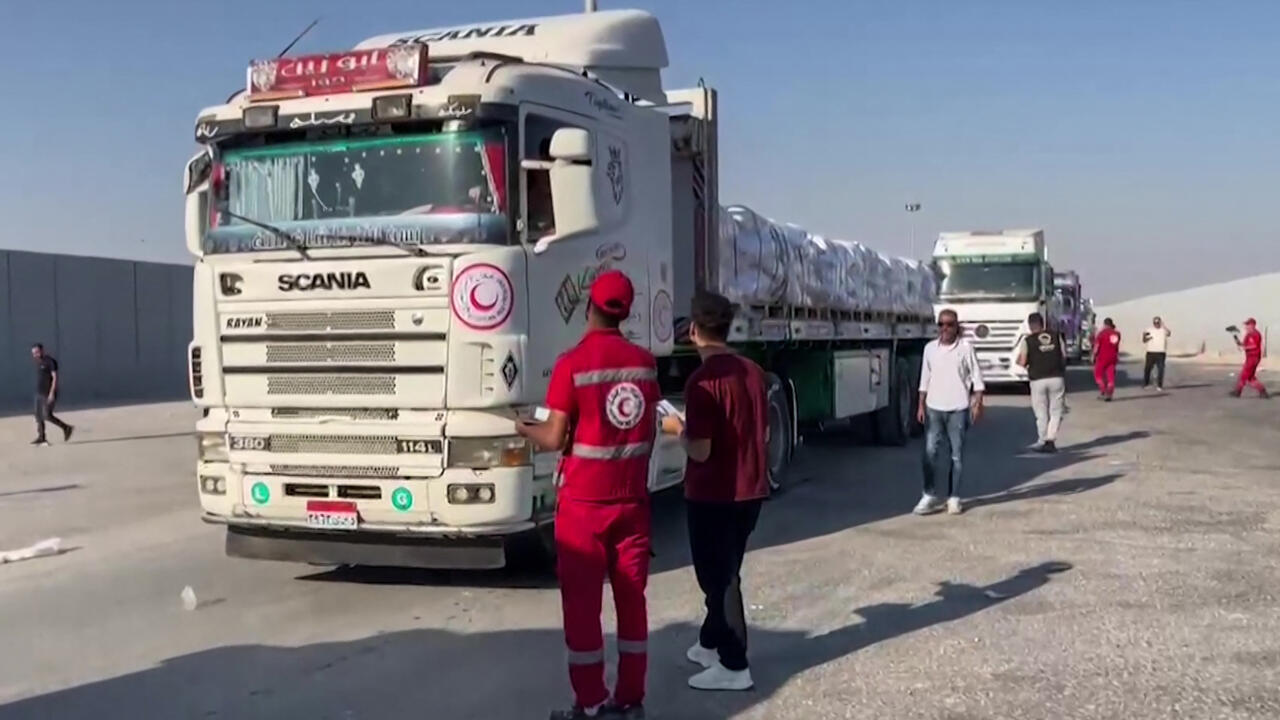
Gaza’s food crisis shows signs of improvement following the ceasefire, yet tens of thousands of residents remain in life-threatening conditions as the humanitarian situation continues to strain.
UN-backed experts warn that while deliveries of food and aid have increased, the Strip remains fragile, and severe hunger still affects a large number of people.
The Integrated Food Security Phase Classification (IPC) reported that last month, over 100,000 Gazans were under IPC Phase 5, the most extreme level of food insecurity, labelled as “catastrophic conditions” for households.
In August, around 500,000 people, roughly a quarter of the population, were living in famine-affected areas, highlighting the scale of the crisis.
The report notes that the number of people in catastrophic conditions is expected to decline, but stresses that any resumption of hostilities could put the entire territory at risk of famine. IPC Phase 5 signifies the highest level of food insecurity and indicates urgent humanitarian needs, while no parts of Gaza are currently classified as being in famine.
Israel has consistently disputed the IPC’s findings, calling the report “deliberately distorted” and claiming it does not represent the reality on the ground. Cogat, the Israeli military body managing Gaza’s crossings, said that aid deliveries had exceeded the levels the UN had estimated were required.
“The report relies on severe gaps in data collection and on sources that do not reflect the full scope of humanitarian assistance,” Cogat stated.
The IPC clarified that it used publicly available data from UN agencies and Cogat for its analysis. It also highlighted that acute malnutrition remains at critical levels in Gaza City and serious in Deir al-Balah and Khan Younis, even as overall conditions improve.
In the coming months, the number of people facing the most severe hunger is predicted to drop to 1,900 by April. However, the report warns that a return to conflict could push Gaza back toward famine conditions.
Prime Minister Benjamin Netanyahu said earlier this month that Israel is nearing the second stage of the US-brokered peace plan, which would see further troop withdrawals and Hamas disarmament, although major issues still need resolution.
The IPC identified key causes of food insecurity, including restricted humanitarian access, the displacement of over 730,000 people, and the destruction of livelihoods. The report noted that more than 96 percent of Gaza’s agricultural land had been damaged or rendered inaccessible.
Israel had imposed a full blockade on aid at the beginning of March, easing it in May, citing pressure to secure the release of hostages held by Hamas.
Prior to the IPC report, Cogat said its methodology and conclusions were inaccurate, “reinforcing a false narrative, driven in part by Hamas-sourced claims.” The body also rejected claims of shortages in drinking water, medical supplies, or winter goods.
Unrwa emphasized that while Gaza is no longer considered to be in famine, conditions remain “critical.” “Overall living conditions in the Gaza Strip are still catastrophic, made worse by the winter weather,” the agency said, calling for ongoing and reliable humanitarian and commercial access.