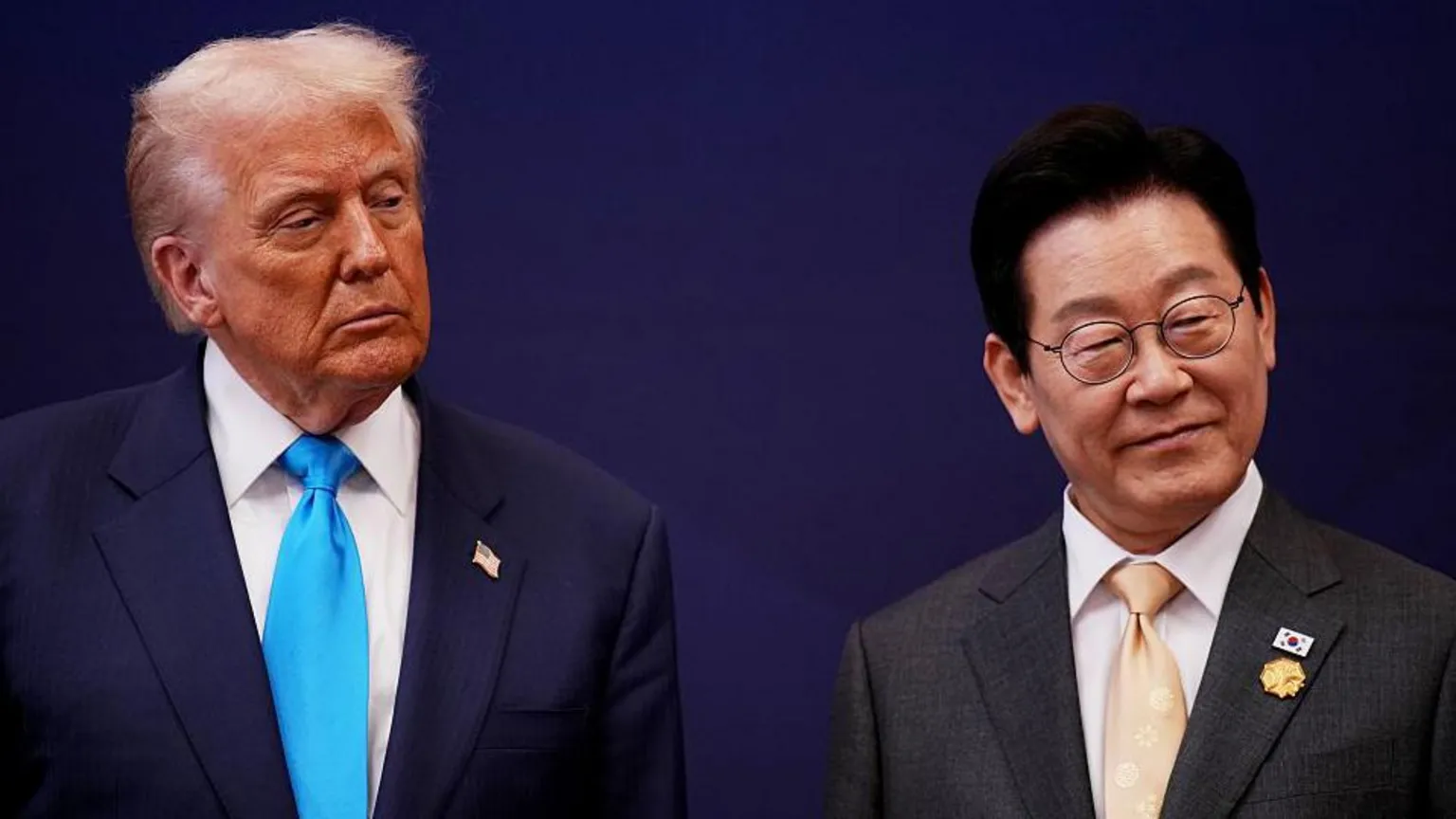
US President Donald Trump has announced a rise in tariffs on South Korean imports, increasing them to 25 percent.
The move targets a broad range of goods, including cars, timber, pharmaceuticals, and other items covered under reciprocal trade agreements, as Trump accused South Korea of failing to meet its obligations under a deal reached last year.
Trump wrote on social media that the increase comes after Seoul “have acted slowly to approve the deal while we have acted swiftly to reduce our TARIFFS in line with the Transaction agreed to.” Previously, tariffs on the affected products were set at 15 percent.
South Korea said it had not received official notification of the tariff change and expressed a desire to hold immediate talks with Washington. Industry Minister Kim Jung-kwan, currently in Canada, is expected to travel to the United States soon to meet Commerce Secretary Howard Lutnick to discuss the matter.
The announcement sent shares of South Korean exporters lower on Tuesday morning. Hyundai’s stock fell about 2.5 percent, and companies linked to pharmaceuticals and timber also recorded losses.
The trade deal, signed in October last year, included a promise from South Korea to invest $350 billion in the United States, with part of the funds earmarked for shipbuilding.
In the following month, both countries agreed that the United States would lower tariffs on certain goods once South Korea began formal approval of the deal.
The agreement was presented to South Korea’s National Assembly on 26 November and is currently under review, with reports indicating likely approval by February.
Tariffs are paid by importing companies, meaning US firms will now face a 25 percent tax on goods brought in from South Korea.
Trump has frequently relied on tariffs to advance foreign policy objectives during his second term. On Saturday, he warned Canada of a possible 100 percent tariff if it entered into a trade deal with China.
Chinese officials later stated that their partnership with Canada is not intended to disadvantage other nations. Canadian Prime Minister Mark Carney clarified that Canada is not negotiating a free trade deal with China and “has never considered it,” adding that US officials had been fully briefed on Canada’s position.
Earlier, Trump threatened tariffs on eight countries, including the United Kingdom, that opposed US plans to take over Greenland, an autonomous territory within the Kingdom of Denmark and a NATO member.
The President eventually withdrew the threat, citing ongoing talks over a potential agreement on the island, but the incident created tension with Denmark and other NATO allies.































Comments
Sign in with Google to comment, reply, and like comments.
Continue with Google