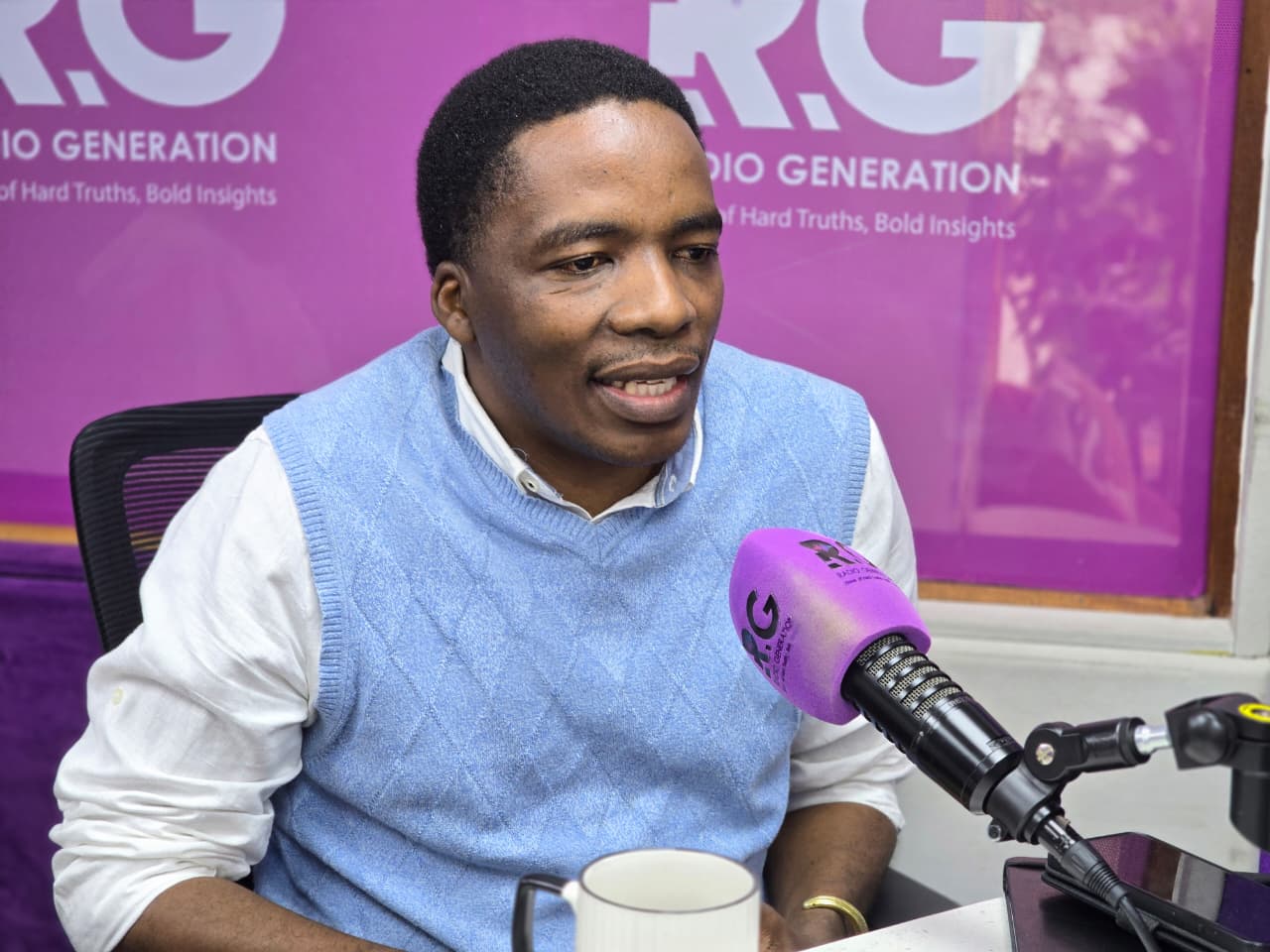
Energy crises could drive innovation and accelerate a shift to alternative fuels, according to Founder and CEO, Thirty Three Energy (33E), Mohamud Salat. While short-term disruptions may push countries toward costlier or even dirtier energy sources, he says long-term benefits include new technologies and diversification.
However, Kenya still faces structural challenges, including limited refining capacity and slow progress in developing its own oil resources.
Speaking during a Radio Generation interview on Monday, Salat said global crises have historically triggered innovation and forced nations to rethink their energy strategies.
“Whenever this kind of hurdles come through, is when actually human beings start thinking and a lot of great things tend to happen,” he said.
He pointed to past oil shocks, including the 1970s crisis and the Iran-Iraq war, as turning points that reshaped global energy systems.
According to him, these disruptions pushed countries like the United States to invest in new extraction technologies, eventually making it one of the world’s leading oil producers.
“They came up with new technology, so today, it is the biggest oil producer to a point that they are net exporters,” he said.
The debate comes amid global fuel supply, which has tightened sharply due to disruptions linked to the conflict between the United States and Iran, which has destabilised one of the world’s most critical oil transit routes, the Strait of Hormuz.
The strait normally carries about 20% of global oil supply, making it a key artery for exports from Gulf producers.
However, ongoing military activity, security threats and tanker risks have significantly reduced shipments, with vessels avoiding the route and some infrastructure targeted.
Geopolitical analysts say the conflict has effectively removed millions of barrels per day from the global market, creating a supply gap that alternative routes cannot fully replace.
This disruption, combined with market uncertainty and rising insurance and shipping costs, has driven global fuel shortages and pushed oil prices sharply higher, affecting both developed and import-dependent economies worldwide.
Salat also noted that Saudi Arabia responded to earlier conflicts by developing infrastructure to protect its exports, highlighting how crises often drive long-term resilience.
Despite this, he cautioned that the transition to cleaner energy is not always straightforward.
While disruptions can encourage investment in renewables, they can also push countries back to more polluting fuels.
“When the Russia-Ukraine war happened, people started using coal, we might move part green energy, part to even worse fossil fuel,” he said.
He cited Germany as an example, noting that it revived coal use after gas shortages during the crisis. At the same time, he said some countries have benefited from increased demand for alternative fuels, including natural gas exporters such as Mozambique.
Salat acknowledged growing interest in biofuels and renewable alternatives, including biodiesel and ethanol, but said adoption remains limited in many countries.
According to the Thirty Three Energy (33E) CEO, structural challenges such as high production costs and fragmented farming systems have made it difficult for Kenya to compete with large-scale producers like Brazil, where biofuel infrastructure is more advanced.
Beyond alternatives, he emphasised the need for Kenya to develop its own oil resources, particularly in Turkana.
However, he said progress has been slow due to regulatory challenges and investment hurdles.
“It wasn’t that we didn’t have the deposit, it was regulatory frustrations,” he said, referring to past investor exits.
Turkana County in North-western Kenya has been at the centre of the country’s oil ambitions since commercial deposits were first confirmed in 2012.
The discovery at the Ngamia-1 well in the South Lokichar Basin marked a major milestone, placing Kenya on the map of oil-producing nations and raising expectations of economic transformation.
Exploration activities had begun earlier, around 2010, when firms led by Tullow Oil acquired licences in the region.
Since then, multiple fields including Amosing and Twiga have been identified, with recoverable reserves estimated at about 560 million barrels.
However, progress towards full production has been slow. More than a decade after discovery, commercial extraction has yet to fully take off due to regulatory hurdles, infrastructure gaps and investor exits.
Salat also highlighted the lack of refining capacity as a major limitation. Even if crude oil production increases, he noted that Kenya still relies on external refineries to process it into usable fuel.
“If you have crude, it is as good as not having anything, because crude is not what you want to use,” he said.
He called for a regional approach to energy infrastructure, suggesting that East African countries could jointly invest in a modern refinery to reduce reliance on imports.
“I pray and hope one day the region builds a refinery that belongs to the region,” he said.
He argued that such collaboration would allow countries like Uganda and South Sudan to pool resources and benefit from economies of scale.