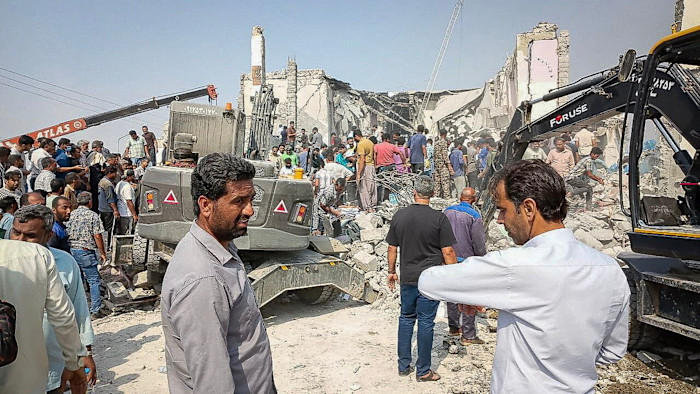
Iran has rejected a United States-backed peace proposal as excessive, setting out a series of conditions for ending the conflict, according to an Iranian official quoted by state media.
The development signals a setback in ongoing diplomatic efforts to de-escalate tensions, with Iran insisting that any agreement must address what it described as broader regional hostilities rather than a narrow settlement.
The official said Tehran had outlined five key conditions, including a comprehensive end to the war across all fronts and the payment of reparations. The demands suggest Iran is seeking a far-reaching resolution that goes beyond immediate ceasefire terms.
“Iran considers the proposal excessive and not reflective of the realities on the ground,” the official said, according to state media reports.
Earlier, Iran had received a 15-point proposal from the United States, with Pakistan reportedly acting as an intermediary in the diplomatic exchanges.
While the US proposal has not been made public, reports indicate it includes provisions requiring Iran to dismantle its nuclear facilities in exchange for the lifting of economic sanctions. Such terms have long been a point of contention between the two countries, with Tehran consistently maintaining that its nuclear programme is for peaceful purposes.
The demand for reparations is also likely to complicate negotiations, as it introduces financial and political implications that the US and its allies may be reluctant to accept.
Diplomatic sources suggest that Pakistan’s role as an intermediary reflects efforts to keep communication channels open despite the absence of direct talks between the two sides. Islamabad has previously positioned itself as a neutral facilitator in regional conflicts.
The insistence on ending the war across multiple fronts indicates that Iran is linking the negotiations to a broader network of regional engagements, potentially involving allied groups and ongoing conflicts beyond its borders.
Despite the setback, diplomatic efforts are expected to continue, with international stakeholders likely to push for renewed dialogue to prevent further escalation.