A legal expert has condemned the reported expulsion of a Muslim student from Lwak Girls High School over wearing a hijab, saying the action breaches constitutional protections on religious freedom and equality.
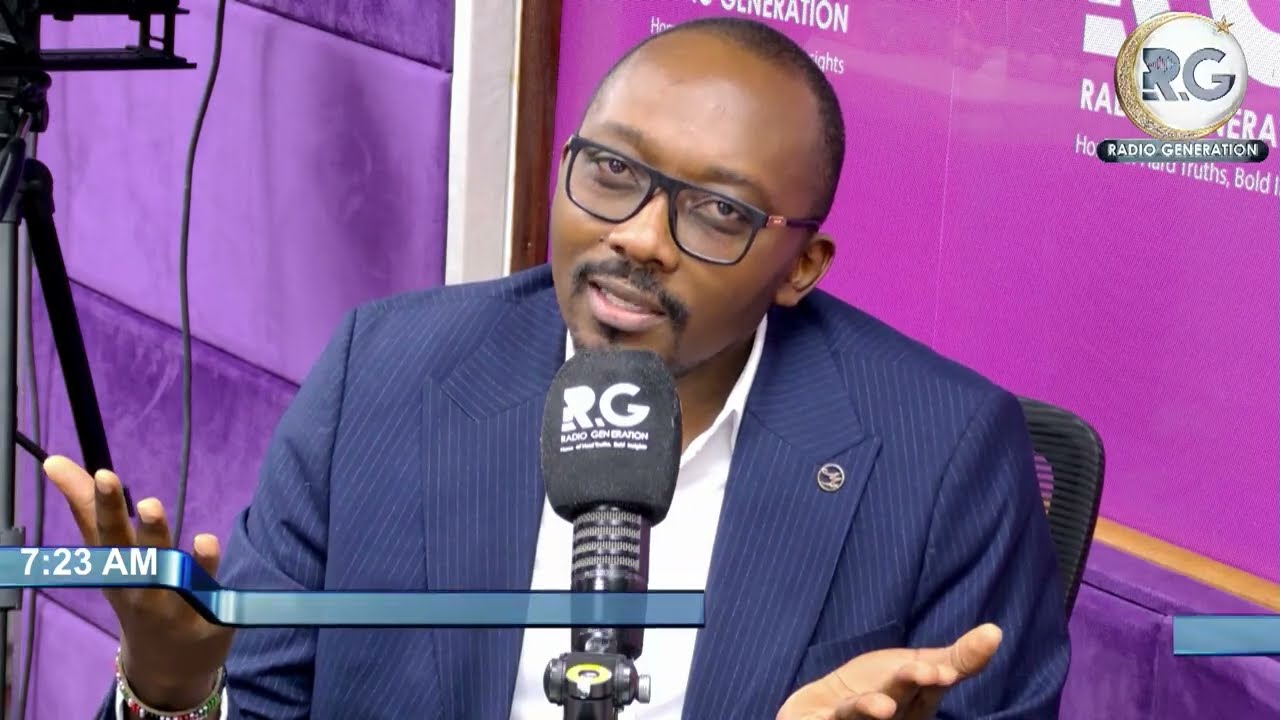
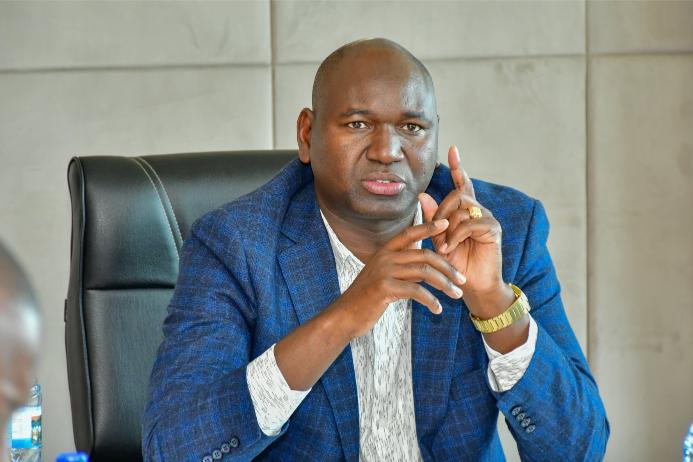
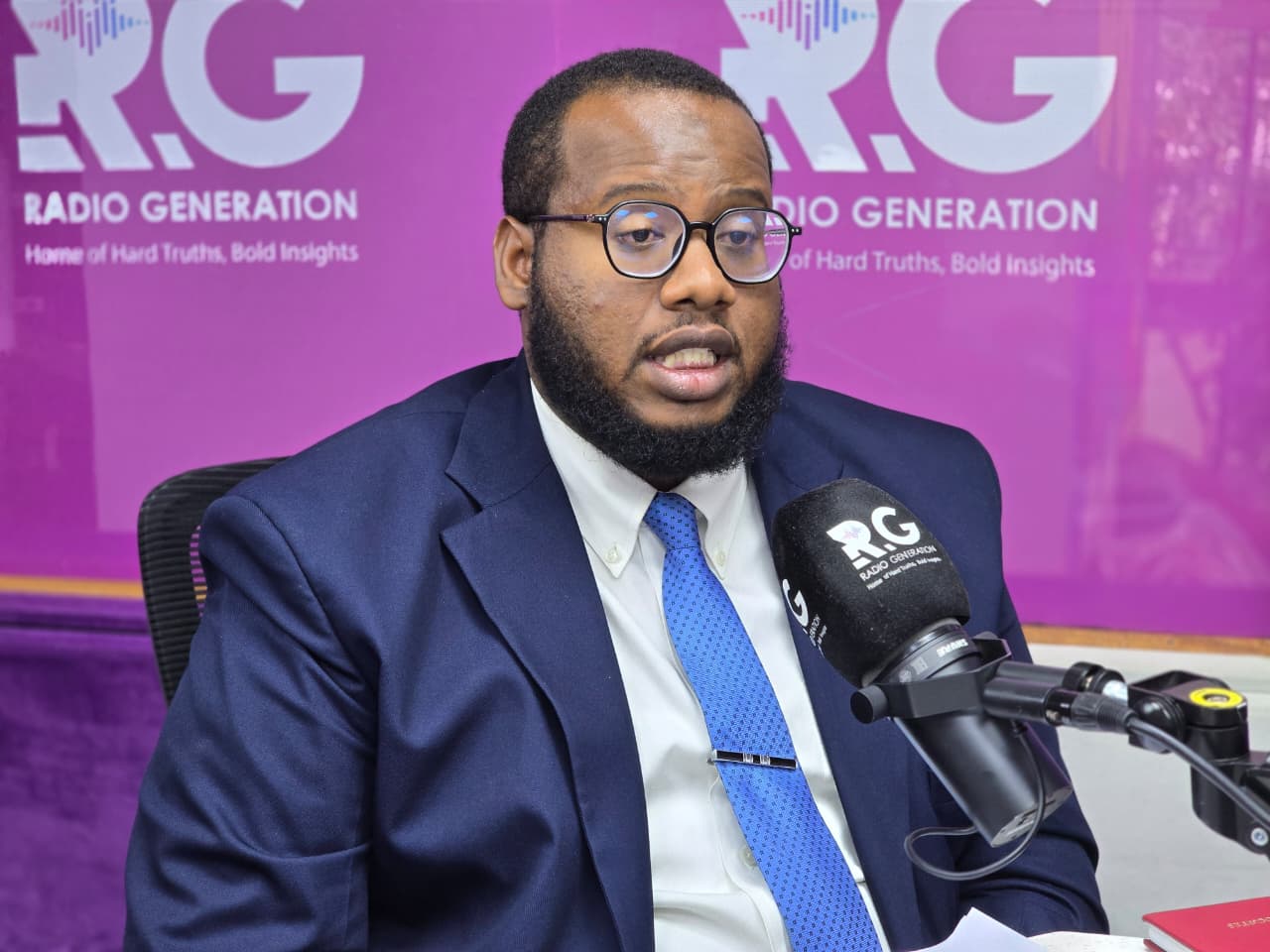
Advocate of the High Court Abdul Nassir, speaking on Radio Generation on Tuesday, described the student as a minor who faced undue frustration despite prior assurances from school authorities that wearing the hijab would not be an issue.
“Imagine being admitted in a public school and the principal assures you… that there’s no problem absolutely with wearing the hijab. Then one month later, there is an organic way of events that are happening that are leading to your frustrations,” Nassir said.
He questioned the process that led to the alleged expulsion, emphasizing that school disciplinary measures are meant to follow structured procedures.
“What is an expulsion? You must have an indiscipline case before the Board of Management. The board suspends you… maybe you are given another suspension. Then now the board says we are tired with you. Go home and find somewhere else to study,” he explained. “This is a student who was just simply abiding by the constitutional obligations.”
Nassir cited Article 32 of the Constitution, which guarantees freedom of religion, and highlighted the preamble’s acknowledgment of Kenya’s cultural and religious diversity. He argued that equality must also be respected, and called for clear policies to guide schools on accommodating religious attire.
He referenced a previous case at Saint Paul’s School in Isiolo County, where Muslim students’ right to wear the hijab had been legally challenged. Nassir criticized the idea that allowing hijabs would amount to preferential treatment, calling such reasoning “a wrong decision made on the standpoint.”
The debate over religious dress in schools has persisted despite a landmark Supreme Court ruling in 2019, which overturned a 2016 Court of Appeal decision allowing Muslim students to wear hijabs in non-Muslim sponsored schools. The apex court upheld that individual schools have the authority to establish and enforce their own dress codes.
Even with the ruling, conflicts continue in public schools where students admitted through the government placement system face strict dress policies, even after declaring their faith during the application process.