Energy Ministry assures Kenyans of stable fuel supply amid Middle East tensions
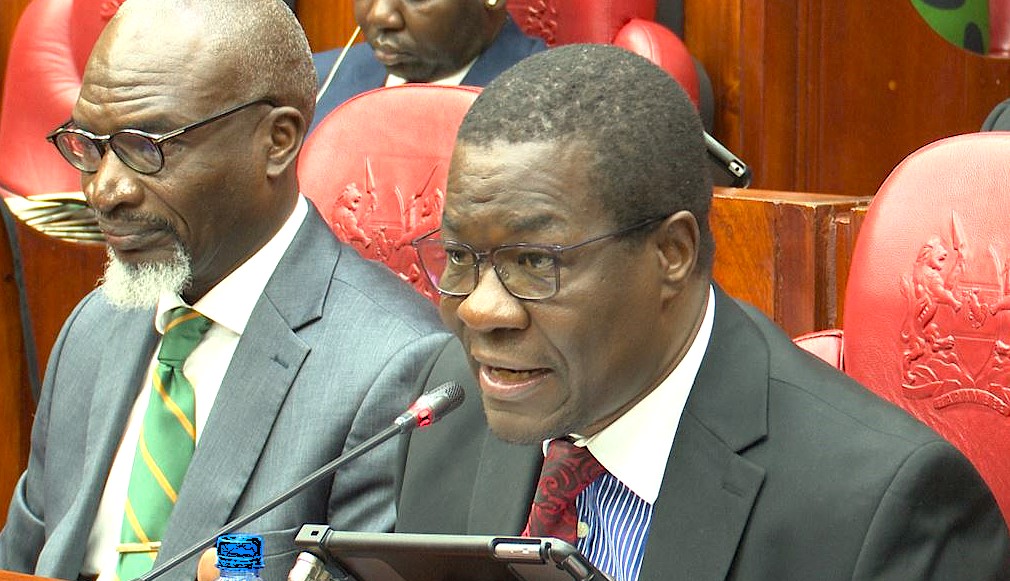
CS Wandayi explained that the Ministry is closely following developments in the region while maintaining active communication with international suppliers to ensure contingency measures are in place.
The Ministry of Energy and Petroleum has reassured Kenyans that the country’s fuel stocks are secure, even as escalating tensions in the Middle East raise concerns over global oil supply.
Speaking on March 3, 2026, Energy and Petroleum Cabinet Secretary Opiyo Wandayi stated, “As at today, the country has sufficient stocks to cover both the country and the region. We have scheduled imports for delivery up to end of April 2026 and, therefore, as it stands, we are assured of security of supply.”
CS Wandayi explained that the Ministry is closely following developments in the region while maintaining active communication with international suppliers to ensure contingency measures are in place.
“The Ministry remains alert and shall continue taking necessary actions to ensure there is uninterrupted supply,” he added.
He further assured the public that updates on any changes to the supply situation will be shared promptly, underscoring the government’s commitment to maintaining stable domestic fuel availability.
The assurances come at a time when global energy markets are unsettled due to geopolitical uncertainties.
Recent attacks on vessels near the Strait of Hormuz, a vital route for about 20% of the world’s oil and gashave sparked sharp price movements and shipping delays.
Iran has cautioned vessels against navigating the strait, effectively halting transit and driving Brent crude prices above $82 a barrel.
Natural gas prices have also surged by as much as 25%, while at least 150 tankers are reported to be anchored in Gulf waters beyond the strait.
Analysts note that the main oil transport and production infrastructure remains intact, but warn that any extended disruption could push Brent crude above $100 a barrel, with potential ripple effects on global inflation and interest rates.
Financial markets have reflected the uncertainty, with European indices sliding, France’s CAC-40 dropped 1.6%, Germany’s DAX fell 1.7%, and the FTSE 100 declined nearly 1% as investors moved to safer assets like gold.
In response, OPEC+ has agreed to a modest increase in output, yet shipping disruptions, rising insurance costs, and the risk of prolonged conflict continue to threaten global trade.
Major shipping lines, including Maersk, have rerouted some vessels around the Cape of Good Hope, bypassing the Suez Canal and Bab el-Mandeb Strait, highlighting the fragility of global supply chains.




Comments
Sign in with Google to comment, reply, and like comments.
Continue with Google