M-Pesa processes Sh103.2 billion daily in Africa expansion push, says Safaricom CEO
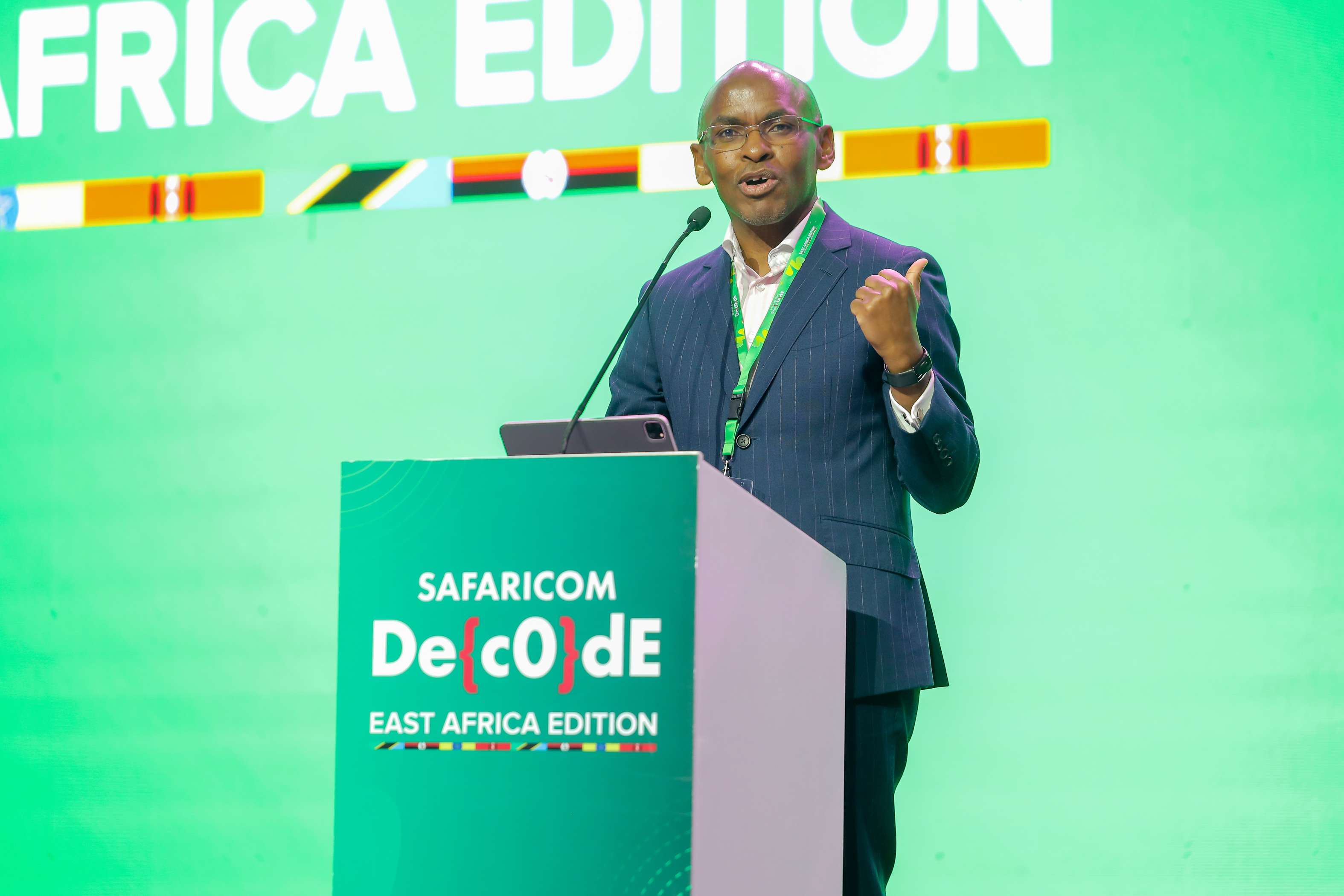
Safaricom CEO Peter Ndegwa said M-Pesa processes about Sh103.2 billion daily through more than 500 million transactions across seven markets, following installation of infrastructure capable of 10,000 transactions per second. He spoke in Nairobi at the Connected Africa Summit.
Safaricom chief executive Peter Ndegwa says M-Pesa is now processing about Sh103.2 billion daily through more than 500 million transactions, as the platform expands across Africa and scales up its infrastructure to handle rising demand.
Speaking at the Connected Africa Summit in Nairobi on Tuesday, he said the mobile money service has grown into a major driver of digital payments and financial inclusion across several markets.
“About M-Pesa, you're right. M-PESA actually transact about $800 million a day, more than 500 million transactions,” he said.
He added that Safaricom has upgraded its systems to support higher transaction volumes and faster processing speeds.
“We've just installed a new platform that will do 10,000 transactions per second,” he said.
Ndegwa also pointed to the company’s regional expansion, noting strong growth in Ethiopia.
“We've just gone into Ethiopia. I came from Ethiopia this morning. Hardly slept very much. We already have close to 15 million customers in just four years,” he said.
He said Safaricom, which has operated for about 25 years, has grown into a multi-billion-dollar business valued at around $3 billion (Sh387 billion), with operations now spread across at least seven African markets.
He added that Kenya’s digital ecosystem has helped shape broader regional digital transformation, especially in public service delivery.
“We have the key assets that can be used to propel this. The connectivity layer is a very important one, which connects everyone,” Ndegwa said. “We are working with the government, to drive the public sector digitization in big sectors such as health, education, agriculture and also the whole financial services area.”
He said reducing friction in systems is key to scaling digital services across the region.
“You need to remove the friction, and also there needs to be a lot of work, and it's already been demonstrated in Kenya,” he said.
Ndegwa also emphasized the need for stronger infrastructure to support Africa’s digital economy, including connectivity, spectrum, and emerging satellite technologies.
“The second is spectrum, especially as we go into non-terrestrials or satellite, is going to be much more important as we go into the region,” he said.
He further pointed to differences in regulation around cloud and data systems across markets.
“Very big difference,” he noted.
On access to devices, he said Safaricom has invested in local assembly to improve affordability.
“We set up a device assembly plant here in Kenya, either countries need to remove taxes on imported devices or actually encourage local production,” he said.
He also highlighted the importance of Application Programming Interfaces and digital identity systems in linking services across sectors and borders.
“We have an API, which is what allows things to work together, but the most important is actually really connecting across the region,” he said.
He added that public-private partnerships will play a central role in building integrated digital systems and expanding government digital services.



Comments
Sign in with Google to comment, reply, and like comments.
Continue with Google