Row over National Addressing Bill as Communication Authority warns of duplication and costs
A key concern is the proposal to establish a National Addressing Council. The Authority is pushing for the removal of the provisions creating the council, arguing that its functions should instead be handled by the Communications Authority.
A plan to roll out a unified national addressing system has sparked debate in Parliament after the Communications Authority of Kenya warned that parts of the proposed law could duplicate roles, increase public costs, and slow implementation.
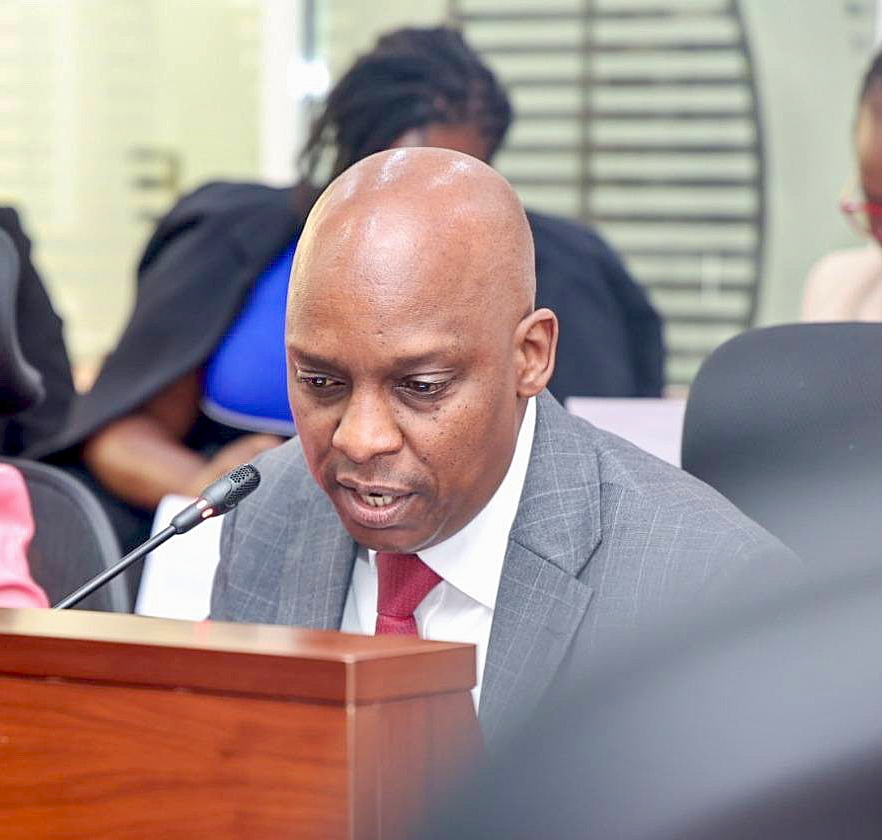
The Authority, through Director General David Mugonyi, appeared before the National Assembly Departmental Committee on Communication, Information and Innovation chaired by John Kiarie (Dagoretti South) during public participation on the National Addressing Bill, 2025.
While supporting the idea of a structured national addressing system, the Authority said the Bill needs to be aligned with existing laws, especially the Kenya Information and Communications Act, to avoid creating overlapping institutions.
A key concern is the proposal to establish a National Addressing Council. The Authority is pushing for the removal of the provisions creating the council, arguing that its functions should instead be handled by the Communications Authority.
Under its proposal, the Authority would take charge of developing, rolling out, and managing the system, including setting standards, verifying addresses, integrating systems across sectors, and supporting counties.
David Mugonyi told the committee, “Creating a parallel institution would result in duplication of functions, regulatory fragmentation and increased fiscal burden on government,” said Mugonyi.
The Authority said it already has legal backing for addressing and numbering functions under existing regulations that are currently under review.
It also argued that the proposed council mainly handles policy work that does not justify a new state body, especially at a time when government is seeking to streamline operations.
The CA further pointed to other countries such as Tanzania, Uganda, and Malawi, where national addressing systems are managed under communications regulators rather than separate institutions.
On implementation, the Authority raised concern over centralising address allocation through a national registrar, warning that it could slow down rollout, especially in rural areas where addressing systems are still developing.
Instead, it proposes a decentralised model anchored in counties. It wants County Addressing Committees replaced with permanent County Addressing Units within county governments.
These units would handle assigning addresses, maintaining records, enforcing compliance, installing signage, and conducting public awareness.
They would also submit annual reports to county assemblies, verify address data, and coordinate local implementation.
The Authority further proposed that the units be given enforcement powers, including inspections, issuing directives, ensuring compliance through penalties, and requiring property owners to display assigned addresses. It says this would improve efficiency and accountability.
Another point of contention is Part IV of the Bill on naming addressable objects. The Authority wants it removed, saying naming and addressing are already covered under existing laws, including county legislation, planning, and land laws.
“The Bill currently conflates the issues of addressing and naming, creating potential legal overlaps and administrative inefficiencies,” Mugonyi noted.
It also said naming of roads, streets, and public places is already a county function under the Constitution and should not be duplicated.
The Authority further recommended removing financial provisions tied to the proposed council, saying they would no longer be necessary if the council is scrapped. It also suggested deleting clauses on unlawful disclosure of personal data, saying data protection is already sufficiently covered.
Committee chair John Kiarie backed the need for careful review, saying Parliament must avoid unnecessary structures that could burden taxpayers.
“We must be deliberate in crafting a law that does not create unnecessary structures at the expense of taxpayers,” he said.
He added that the committee will focus on proposals that improve efficiency and coordination between national and county governments.
“The Committee will prioritise proposals that enhance efficiency, accountability and seamless coordination between national and county governments,” he said.
Kiarie said the goal is to ensure the final law is practical and workable across the country, including rural and underserved areas.
“Our focus is to ensure the National Addressing System is implementable and responsive to the realities on the ground, especially in rural and underserved areas,” he added.
He also emphasized that technical agencies like the Communications Authority are key in shaping the legislation.
“We are listening to stakeholders such as the Communications Authority because they possess the technical expertise and institutional experience necessary to guide this process,” he said.
Kiarie assured that all submissions will be reviewed before the committee finalises its report for Parliament.
“We will deliver a law that supports service delivery, strengthens national security and accelerates Kenya’s digital transformation without burdening the public,” he said.
The committee continues consultations with various agencies as it works to refine the Bill into a streamlined national framework.




Comments
Sign in with Google to comment, reply, and like comments.
Continue with Google