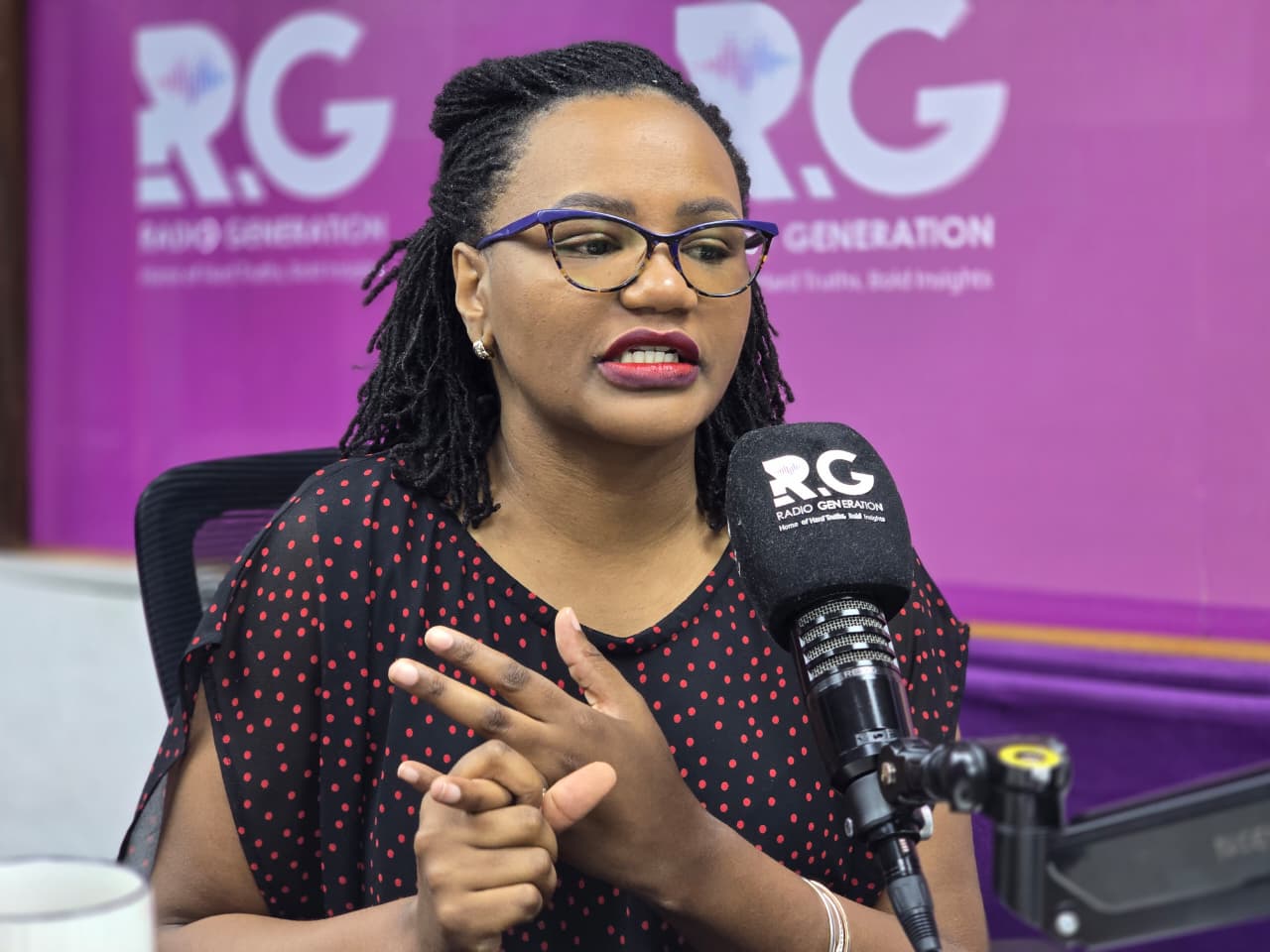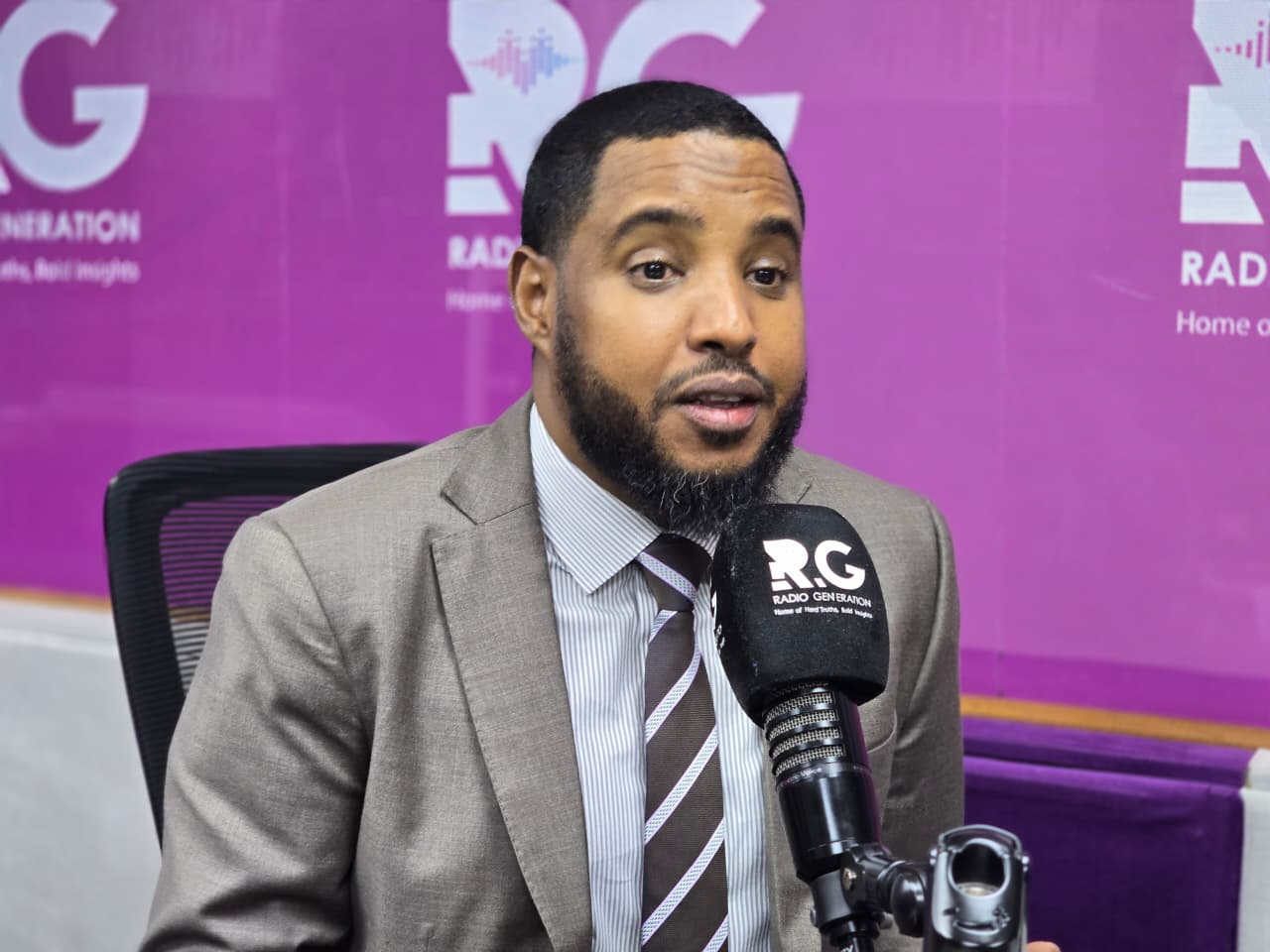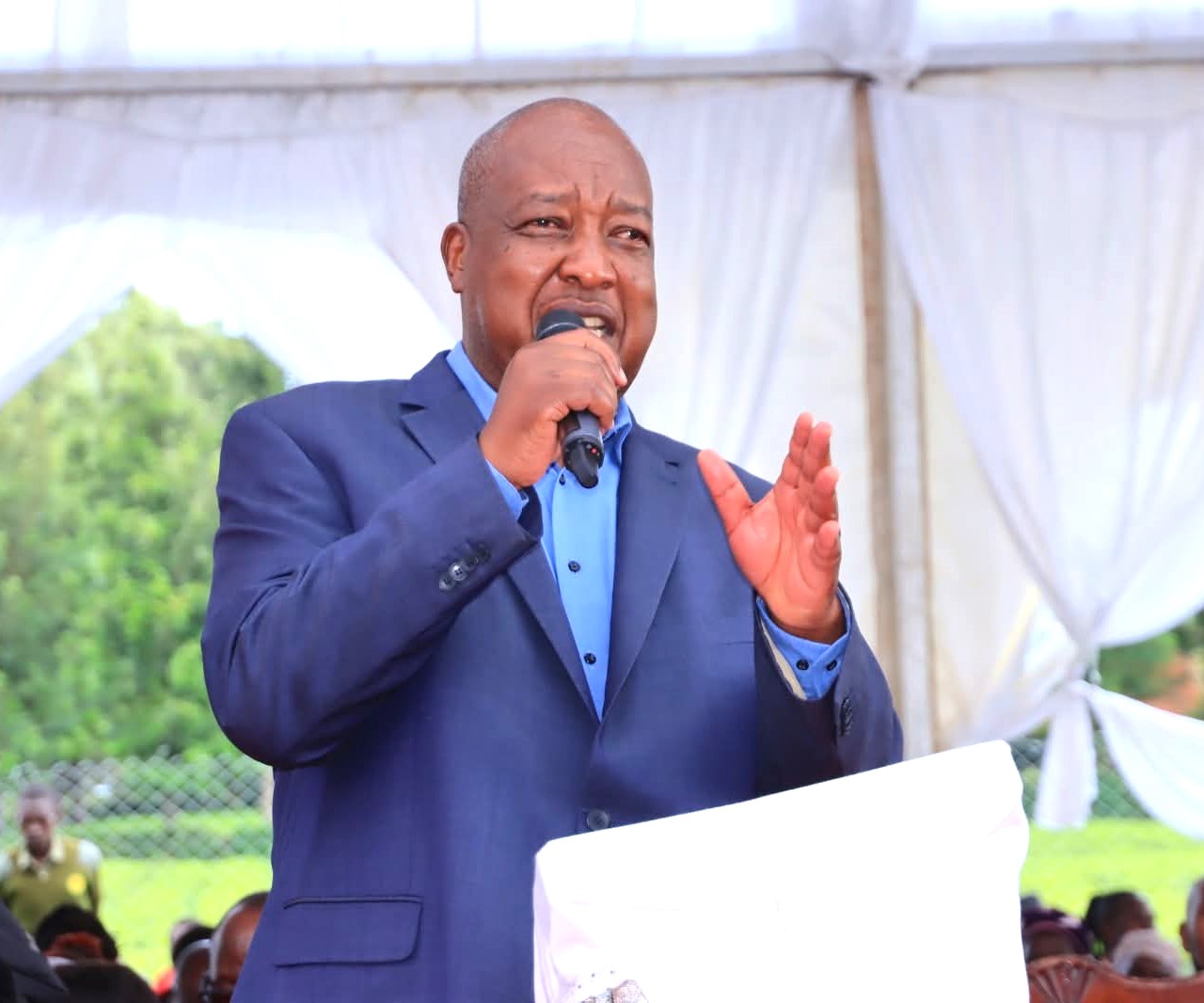
Members of Parliament have turned their focus to the management of public wealth after the government disclosed that its asset base is valued at Sh 4.9 trillion, with fresh reforms now underway to reorganize state corporations and tighten oversight on spending and investments.
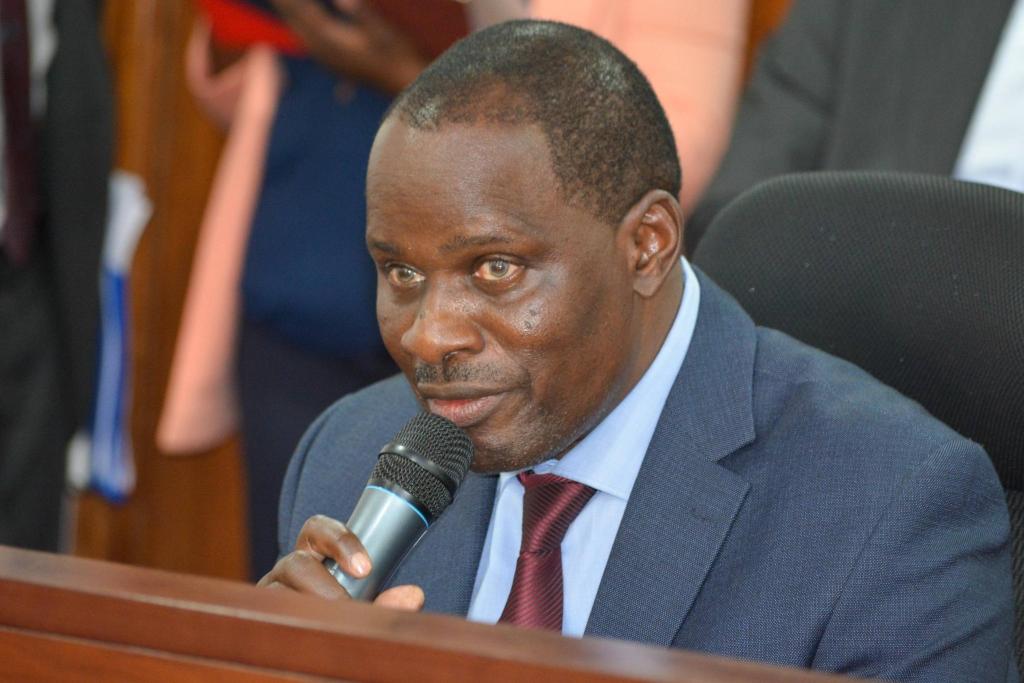
The figures were presented by Principal Secretary for Public Investments and Assets Management Cyrell Odede Wagunda during a session with the National Assembly’s Public Debt and Privatization Committee held at Bunge Tower on Thrusday.
The meeting, led by Shurie Abdi Omar, reviewed plans aimed at improving accountability and ensuring public resources are properly managed.
PS Wagunda explained that the valuation, captured as of June 30, 2025, is part of a broader exercise to align asset records across government institutions. He noted that most of the assets are held by state corporations, which remain central to the government’s investment framework.
“This process is about bringing order and structure to how government assets are identified, valued, and managed,” Wagunda told the committee.
He said the ongoing reforms are meant to clean up inefficiencies, improve coordination, and ensure that public investments generate better outcomes. Among the key changes is the introduction of the Electronic Government Procurement system, which is expected to address price variations in procurement across agencies.
“This system is the way to go. We have seen situations where this water, when it is bought here, could be 100 shillings. When it goes to another state department, it is 500 shillings… This system is bringing standardization so that we can cut wastage in government,” the PS explained.
The committee was also taken through plans to restructure state corporations, with 23 agencies set to be combined into nine entities, while 16 others will be wound up. The move includes the removal of six regional development authorities and is expected to cut costs and reduce overlap in roles.
Shurie Abdi Omar backed the reform efforts but called for closer tracking of projects, especially those implemented through public-private partnerships, to ensure that what is reported matches what is on the ground.
“I personally wish to visit the site so that it will be good for us to see so that when I’m told this PPP project is done, then I can confidently stand on the floor of the House and say yes,” he said.
Questions were also raised over whether PPP arrangements are delivering fair returns. Daniel Manduku pressed officials to explain if the projects match market expectations in terms of cost and benefits.
“The first concern is yes, you [gave] projects and the figures. From where you sit and based on market trends, do you think we are attaining value for money in some of these projects?” he posed.
Wagunda, together with officials from the PPP Directorate, responded by saying that every project goes through detailed feasibility studies, including checks that compare PPP models with direct government procurement over the life of the project.
The committee heard that ten PPP projects are currently in progress, among them the Nairobi Expressway and a housing programme for the Kenya Defence Forces. Officials said 500 housing units under the programme have already been completed, pointing to early delivery under the model.