Senate calls for urgent changes to stop criminalizing FGM survivors
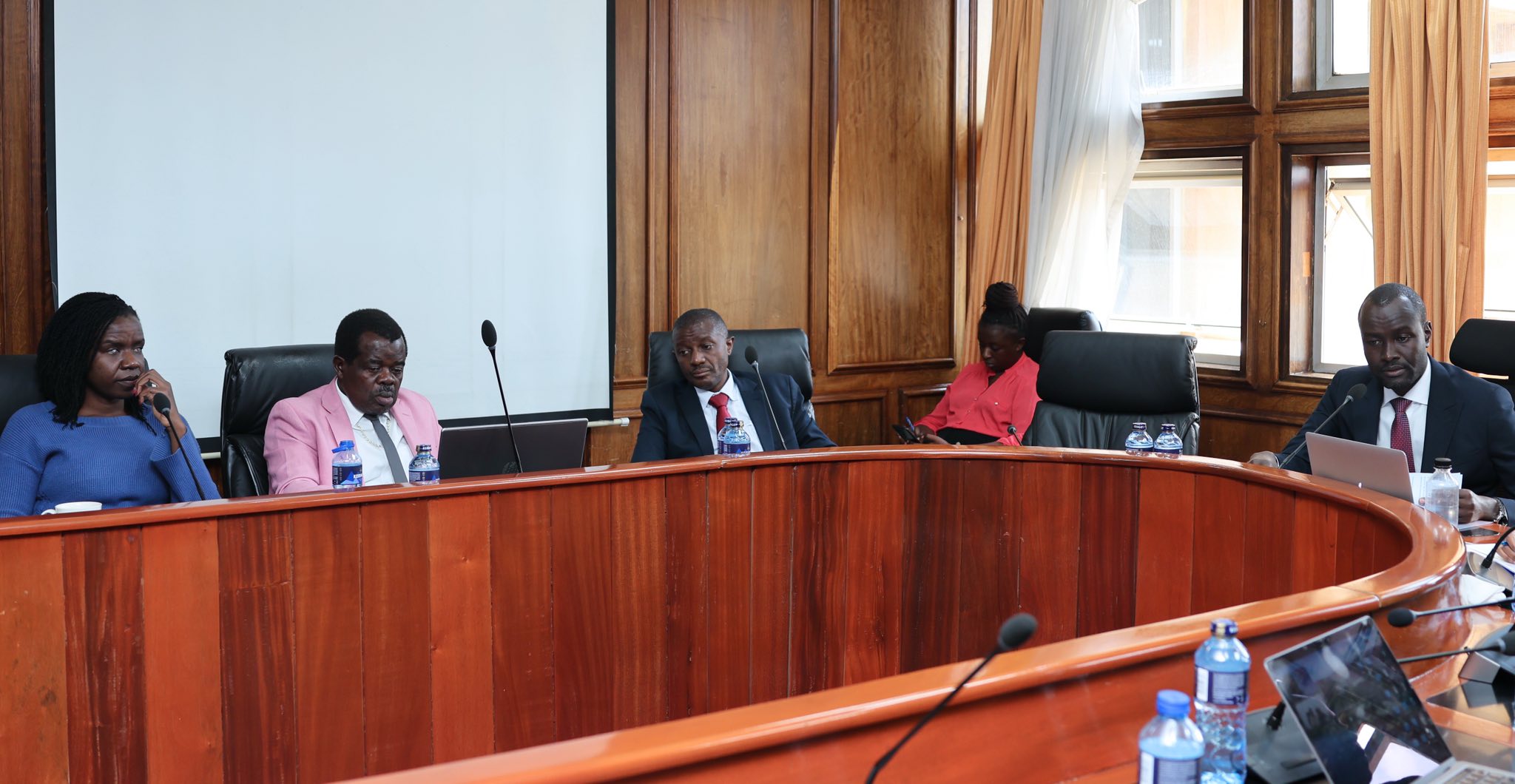
Debate among senators showed clear differences on how to tackle the issue, with some questioning the heavy reliance on arrests. They argued that such measures fail to deal with the deeper cultural and social factors that sustain the practice.
A fresh push for reforms on how Female Genital Mutilation cases are handled has emerged in the Senate, with lawmakers warning that the current system is harming those it is meant to protect.
Senators said victims are being caught up in arrests and legal processes that expose them to further pain, instead of receiving care and protection.
The concerns were raised during a session between the Senate Committee on Justice, Legal Affairs and Human Rights and officials from the Anti-FGM Board at Parliament Buildings on Thursday, April 2, 2026. Members agreed that the existing legal framework under the Prohibition of Female Genital Mutilation Act of 2011 has created unintended outcomes, where survivors are treated as offenders.
Anti-FGM Board Chairperson Hon. Ipato Surum told the committee that there is a need to rethink the approach. "We wish to state unequivocally that victims of FGM should be treated as survivors in need of protection, support, and rehabilitation, not as offenders," Surum told the committee.
The meeting followed concerns raised by Senator Catherine Mumma, who highlighted troubling enforcement practices in counties such as Narok and Bomet. She said security officers often conduct crackdowns at suspected ceremonies, arresting everyone present, including minors who may have been forced into the act.
"Failure to report is used as an easy charge to show enforcement statistics, leading to traumatization of minors," Senator Mumma explained.
She also criticised the use of forced genital examinations on survivors, saying the process is humiliating and carried out mainly to build cases for prosecution.
Committee Chairperson Senator Wakili Hilary Sigei asked the Anti-FGM Board to provide detailed and verifiable data to support its findings. He further announced that the committee will soon travel to affected areas to gather first-hand information.
"The committee requires raw dataset verification and denominators to validate presented prevalence figures and to shape legal and operational responses," Sigei stated.
Debate among senators showed clear differences on how to tackle the issue, with some questioning the heavy reliance on arrests. They argued that such measures fail to deal with the deeper cultural and social factors that sustain the practice.
Senator Okiya Omtatah dismissed the current approach as short-term and ineffective. He termed this approach "ladism," or simply putting a lid on the problem, and challenged the government to adopt "brainism" instead. "Drain the swamp to remove conditions that produce harmful practices," Omtatah urged.
Senator Veronica Maina pointed to alternative rites of passage led by religious groups as a workable solution. She called on the government to back and expand such programmes, saying they offer a safe way for young people to transition into adulthood without harm.
On his part, Senator Daniel Maanzo warned that strict enforcement has forced the practice into hiding. He noted that some cases are now carried out secretly or handled by medical professionals to avoid detection.
Questions were also raised about the reliability of data guiding current interventions. Although Surum said national prevalence has dropped to 14.8 percent, senators challenged the figures presented by the Office of the Director of Public Prosecutions.
Senator Crystal Asige questioned the gaps in the data and asked for clarity on how the numbers were obtained. "The county statistics you gave, out of how many women was this study? What are the sample sizes and denominators?" Asige asked.
In response, the Anti-FGM Board pledged to work closely with the Kenya National Bureau of Statistics to provide accurate and age-based data. The Board also committed to supporting lawmakers in reviewing the law to ensure survivors are protected and supported rather than punished.



Comments
Sign in with Google to comment, reply, and like comments.
Continue with Google