Analyst Mokua criticises corruption and Kenya's ethnic-driven voting patterns
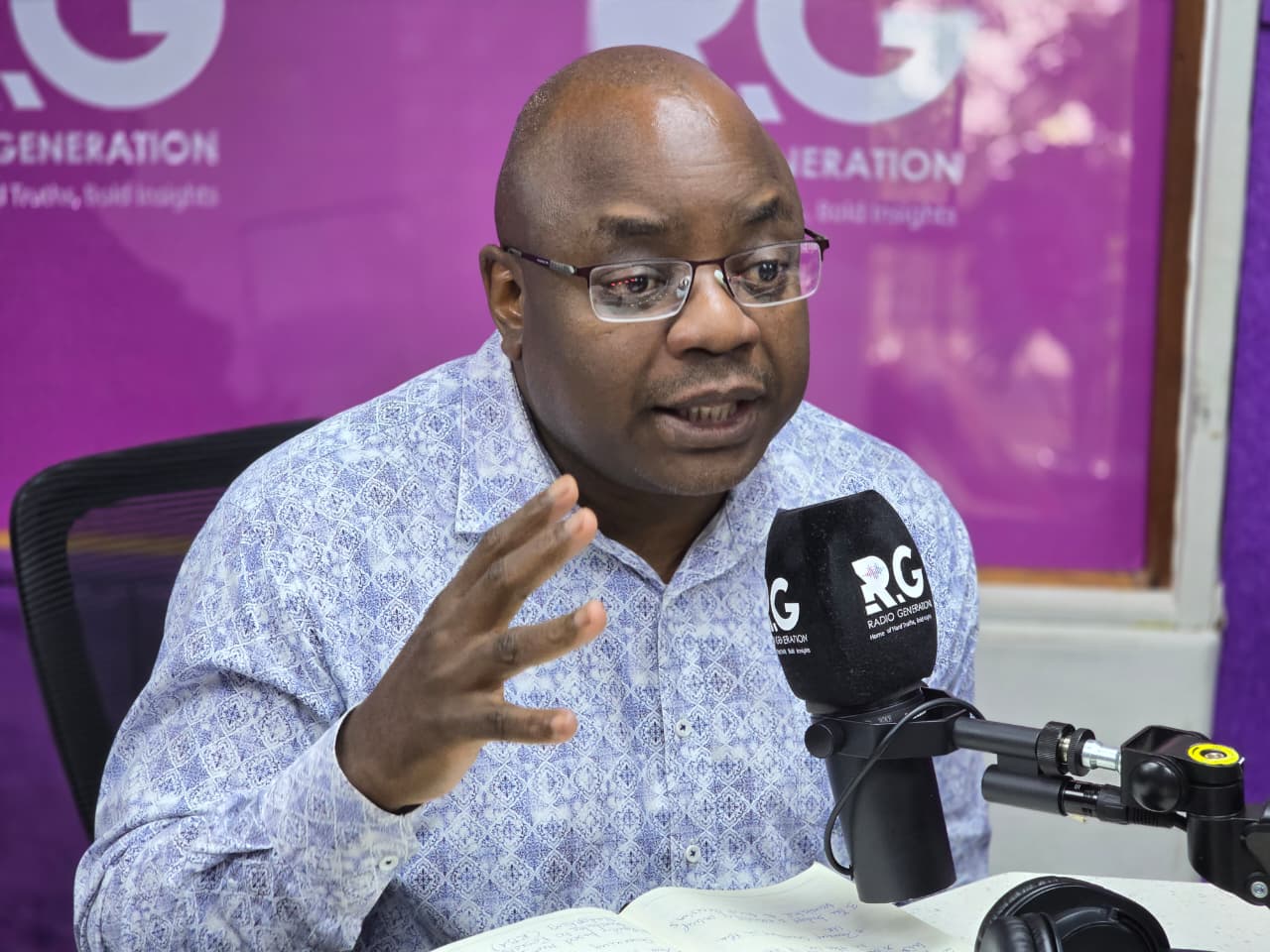
He cited misuse of public resources, weak accountability, and voter behaviour as key challenges. Mokua argued that admiration for wealth and ethnic voting patterns contribute to re-electing underperforming leaders despite growing public dissatisfaction.
Political analyst Dismas Mokua has criticised Kenya’s leadership culture, saying many elected officials act as rulers rather than servants.
He cited misuse of public resources, weak accountability, and voter behaviour as key challenges. Mokua argued that admiration for wealth and ethnic voting patterns contribute to re-electing underperforming leaders despite growing public dissatisfaction.
Speaking on Friday during a Radio Generation discussion, Mokua said leadership should be defined by “capacity, character and competence,” but suggested many leaders fail to meet these standards.
He described capacity as the ability to assemble and rely on skilled advisers, drawing on an example from Henry Ford. “His work is just to ensure that these people work as a team,” he said, contrasting this with leaders who prefer to act alone.
“The challenge is majority of our leaders want to work in solo,” Mokua said, adding that some assume electoral victory makes them beyond reproach. “If you can convince people to come and vote for you, then why should you listen to advice?”
He argued that this mindset has contributed to a broader leadership problem, where elected officials see themselves as rulers rather than public servants.
“The idea that a certain leader is actually elected to serve hasn’t quite sunk in. They tend to think that they have been elected to rule,” he said.
Mokua also questioned the use of the term “leaders” for elected officials, suggesting that many should instead be referred to as “elected representatives.” He said true leadership is demonstrated through service and outcomes, not electoral success.
The analyst pointed to concerns raised in recent oversight reports, saying revelations from the Auditor General and Controller of Budget highlight misuse of public funds. He criticised what he described as “obscene resources” spent on personal offices and luxury items by public officials.
“Why would a governor have six top of the range vehicles?” he asked, arguing that such spending is disconnected from the needs of citizens. “People are suffering in hospitals, people are dying because of lack of medicine.”
Mokua also raised questions about public spending priorities, referencing requests for high-cost vehicles by institutions such as the Independent Electoral and Boundaries Commission. He questioned whether such expenditures deliver value to citizens, asking: “What is the return on investments?”
Beyond leadership, he placed significant responsibility on voters, suggesting that public attitudes contribute to the problem. “We actually admire it,” he said, referring to displays of wealth by politicians.
According to Mokua, this admiration creates a cycle in which leaders are rewarded despite poor performance. “If we were really turned off by what this vulgar display, we would respond very differently,” he said.
He also highlighted the role of local political dynamics, particularly the influence of cultural and social expectations.
In some regions, he said, politicians are judged based on their presence at community events rather than policy outcomes.
“You may be surprised to learn that if you don’t go for a funeral, probability of being elected again is almost zero,” he said, describing how such gatherings have become informal political platforms.
Mokua noted that these events can involve significant logistical and financial costs, including large protocol teams and public contributions, further straining resources.
He warned that such practices, combined with weak accountability, reinforce poor governance. “They do this with reckless abandon. They don’t care,” he said of some officials.
The analyst also raised concerns about identity politics, suggesting that ethnic and regional affiliations continue to shape voting patterns. “The answer is that we are victims of tribalism. We are victims of clans,” he said.
He argued that even informed voters often revert to ethnic considerations as elections approach. “For four and a half years we are saying red card, but what happens the last six months to an election?” he asked referring to Kenyans allied to both opposition and government leaders.
Mokua questioned why voters re-elect leaders with poor performance records. “If the numbers are not impressive, why return these people back to office?” he said, likening elections to a scoreboard where outcomes should determine future decisions.
He suggested that voters may underestimate their role in shaping leadership outcomes. “Are we sick as voters, or we don’t know the responsibility of an elected leader?” he asked, concluding that civic awareness remains a critical gap.


Comments
Sign in with Google to comment, reply, and like comments.
Continue with Google