Residents in Nairobi will go without water for five days starting April 6 as authorities shut down a key supply system to carry out upgrade works aimed at improving distribution across the city.
Governor Sakaja Johnson on Saturday explained that the interruption is linked to ongoing works designed to strengthen the city’s water infrastructure and improve long-term supply.
In a notice issued by the Nairobi City Water and Sewerage Company, the public was informed that the Athi Water Works Development Agency will temporarily shut down the Northern Collector Tunnel 1 system. The shutdown will allow engineers to complete essential works connecting the Kigoro Water Treatment Plant to the Gigiri and Kabete reservoirs.
The planned interruption will run from 6:00 a.m. on Monday, April 6, to 6:00 a.m. on Saturday, April 11. During this period, several parts of the city will be affected, including the Central Business District, Westlands, Lavington, Kilimani, Ngara, Kileleshwa, Kibera, Industrial Area, and nearby estates.
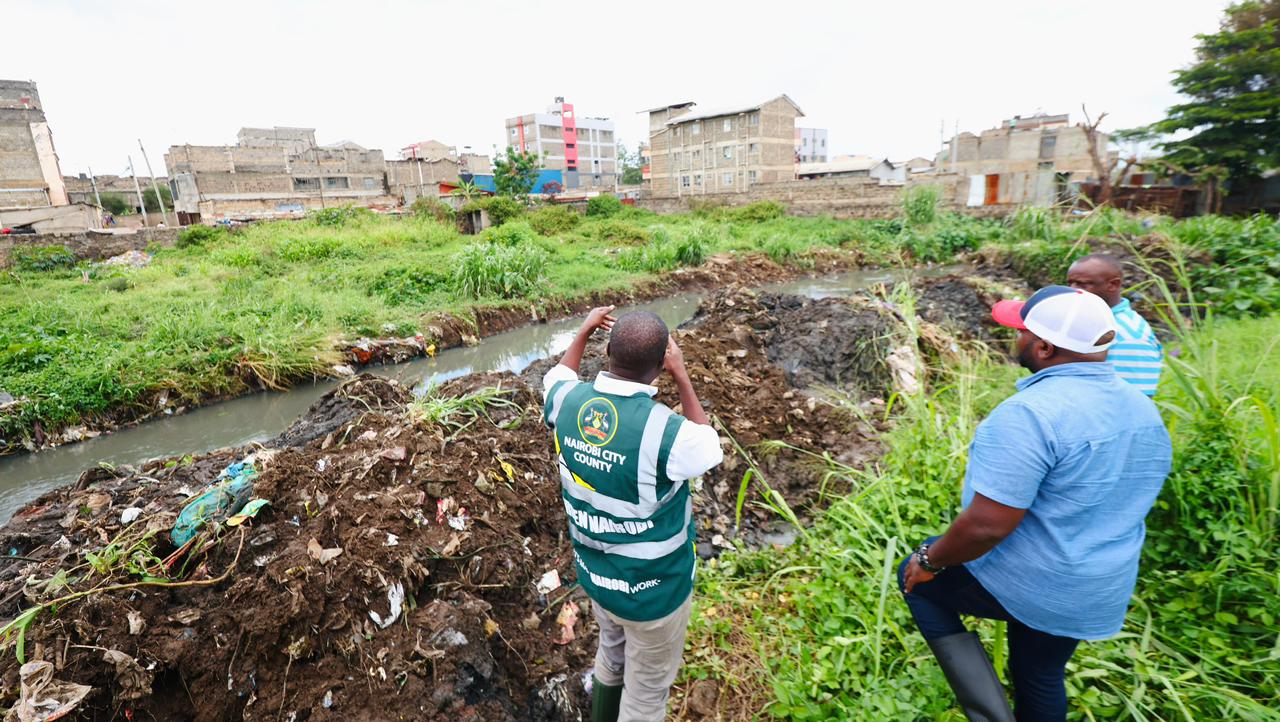
 Nairobi Governor Johnson Sakaja at the banks of Nairobi River
Water officials have asked residents and businesses to store enough water in advance and to manage usage carefully throughout the shutdown. They noted that the works are necessary to support better and more reliable supply once the system is restored.
Sakaja acknowledged the inconvenience caused but said the project is an important step in addressing the city’s water challenges.
“We understand the disruption this will cause to residents and businesses, but these works are critical to securing Nairobi’s water future. Once completed, the upgrades will significantly enhance supply capacity and reliability across the city,” said Sakaja.
He added that the county government is working with relevant agencies to ensure the project is completed on schedule and that normal water supply resumes without delays after the works are finished.
Authorities also indicated that water bowsers may be deployed to support essential facilities such as hospitals and schools in cases where supply gaps arise during the shutdown period.