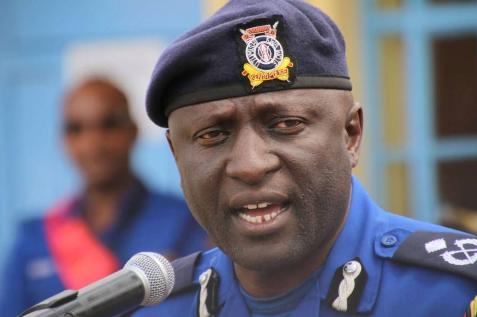
Nairobi is set for a major security reorganization as authorities prepare to roll out a new metropolitan policing structure, with former Rift Valley regional commander Tom Odero picked to take charge of the new unit when it becomes operational on May 1.
Interior Cabinet Secretary Kipchumba Murkomen said the Nairobi Metropolitan Police Unit is ready for launch and will operate as a coordinated security arm for the capital and its surrounding areas. He confirmed that Odero will be the pioneer head of the formation, which is expected to centralize command and improve response to security challenges in the city.
Murkomen made the remarks in Nairobi after holding discussions with a technical team that has been working on the design of the unit. The team presented proposals on how the structure will operate, including command flow, deployment systems and operational responsibilities.
The new arrangement comes as Nairobi’s policing system continues to undergo internal changes under city police leadership. Nairobi police boss Issah Mahamud has already introduced new directives aimed at changing how officers conduct operations in the capital.
Mahamud, who replaced George Sedah following his transfer to the Western region, ordered that undercover officers be withdrawn from routine street patrols and instead operate in uniform while on duty.
The directive was issued during a meeting at the Nairobi Area Police Headquarters attended by divisional and station commanders. Officers commonly known as ‘Spiv’ will now be required to remain in uniform during patrols, although commanders may still assemble undercover teams for specific operations when necessary.
Those specialized teams will complete their assignments before returning to normal uniform duties.
The directive has triggered mixed reactions within the police service. Some commanders support the change, saying it could improve accountability and reduce complaints from the public. Others argue that removing plainclothes officers from the streets could weaken intelligence gathering and create gaps that criminals may exploit.
Supporters say stricter vetting of officers assigned to covert duties will improve discipline and rebuild public trust. Critics, however, maintain that undercover presence is essential in detecting and preventing crime in busy urban areas.
Officers from the Directorate of Criminal Investigations have been exempted from the directive, allowing them to continue with specialized covert operations.
The move is not new in Nairobi policing reforms. In 2021, then Nairobi police chief Augustine Nthumbi issued similar instructions requiring officers to operate in uniform and banning the use of unmarked vehicles during enforcement operations.
At the time, the directive was aimed at addressing complaints of harassment and abuse of power, with warnings that disciplinary action would be taken against those who violated the rules.
In April 2025, the High Court reinforced similar concerns when Justice Bahati Mwamuye ruled against the use of concealed identities in certain police operations, stating that it was unlawful for officers to hide their identities in such situations.































Comments
Sign in with Google to comment, reply, and like comments.
Continue with Google