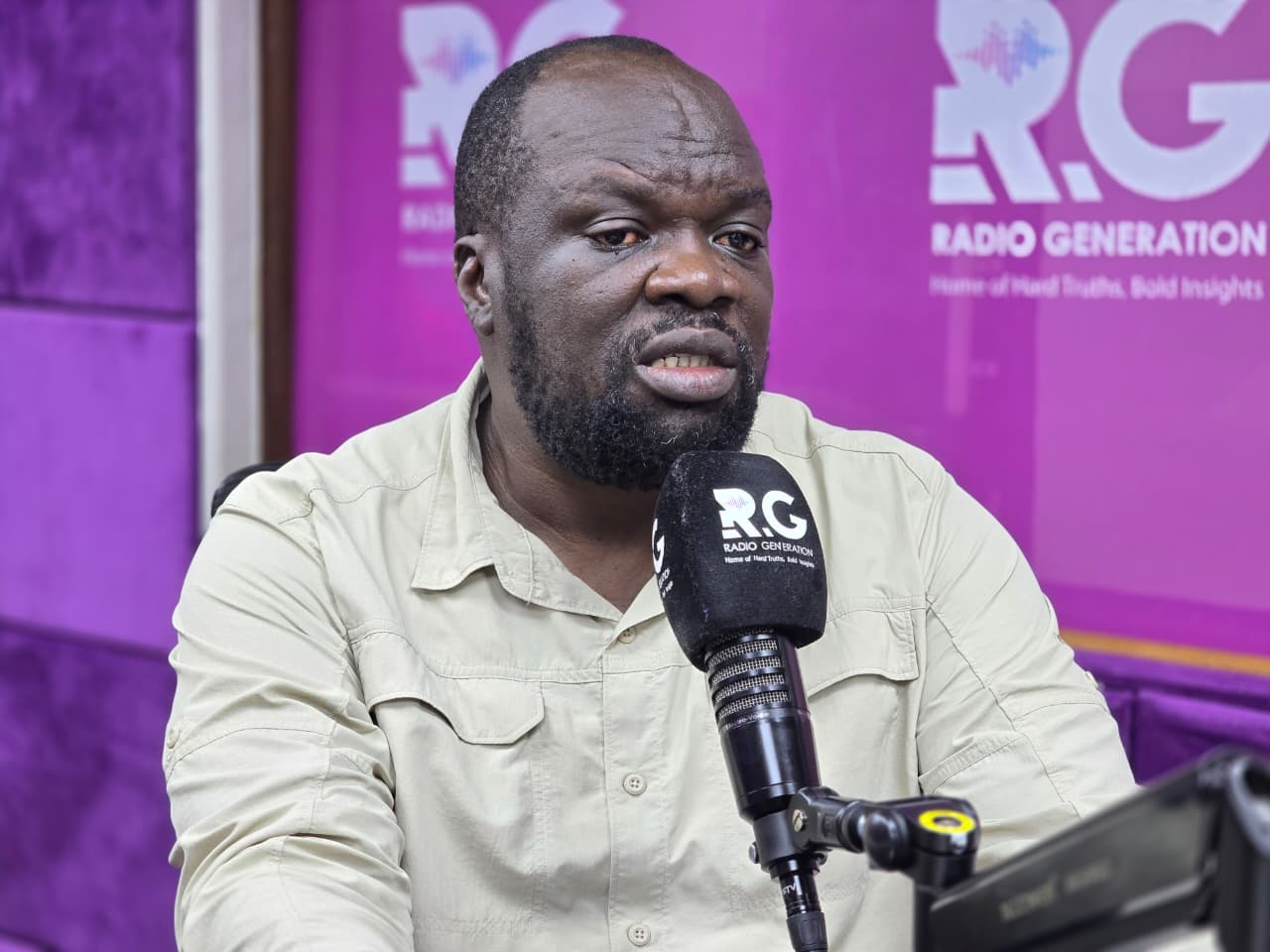
Kileleshwa MCA Robert Alai has raised criticism against ODM leadership following its Central Committee meeting, accusing the party of inconsistency in governance and saying it lacks the moral standing to demand respect from the United Democratic Alliance (UDA).
Alai said the party’s public position after the meeting did not reflect what was actually discussed internally, arguing that the official communication differed from the direction of the deliberations. He also claimed that internal disagreements and personal interests were shaping decisions at the top levels of the party.
The ODM Central Committee met on April 16, 2026, in Nairobi to review internal party affairs, relations within its coalition with UDA, and preparations for the 2027 General Election.
According to party statements and media briefings, the meeting focused on strengthening grassroots structures, ongoing internal elections, and efforts to promote unity within the party. ODM also issued a warning to UDA over what it called “unwarranted public utterances,” while insisting on respect from its coalition partner amid rising political tension.
The party further approved nationwide mobilisation activities, including youth conventions planned across 25 counties starting in Nairobi, aimed at boosting support ahead of the next elections. It also reaffirmed its commitment to “free and fair nominations” and stated that there would be “no sacred cows” in its electoral process. Discussions also touched on fuel price concerns and implementation of the NADCO agreement, including compensation for victims of police brutality.
However, Alai faulted the party, saying it was inconsistent in its internal governance. He questioned the legitimacy of ODM’s youth leadership, alleging that the structure had failed to follow its own rules.
He also cited Article 260 of the Constitution of Kenya, saying it defines youth as persons aged between 18 and 35 years, and argued that ODM’s National Youth League leadership does not reflect this requirement. He specifically referred to the current office holder, John Antira Ketora, claiming he is beyond the allowed age bracket.
“Ketora stopped being a youth in August 2019 – six years ago,” he said, arguing that the continued occupation of the position weakens the party’s credibility.
Alai further said the issue raises concern about internal discipline and fairness within ODM, especially as the party prepares to expand youth programmes across the country. He questioned how such initiatives could be credible under the current structure, adding, “Who will lead these conventions? A 41-year-old masquerading as a youth?”
He also claimed that he had raised the matter formally with ODM leadership in November 2025, requesting that the youth leadership position be declared vacant and fresh elections be held within the youth wing. He said the communication was shared with senior party officials, including the party leadership and electoral bodies, but received no response.
“Response? Silence. Total silence. Five months of nothing,” he said, accusing the party of ignoring internal accountability channels.
Alai also linked the matter to broader concerns about discipline within ODM, saying the party applies rules unevenly and protects certain individuals from scrutiny. He argued that such practices weaken the party’s authority when dealing with other political formations.
“How can you talk about ‘discipline’ when you tolerate illegality?” he said, adding that selective enforcement of rules amounts to “selective justice.”
He maintained that ODM must first address its internal governance issues before criticising other parties, saying credibility in political engagement depends on strict adherence to its own constitution and structures.































Comments
Sign in with Google to comment, reply, and like comments.
Continue with Google