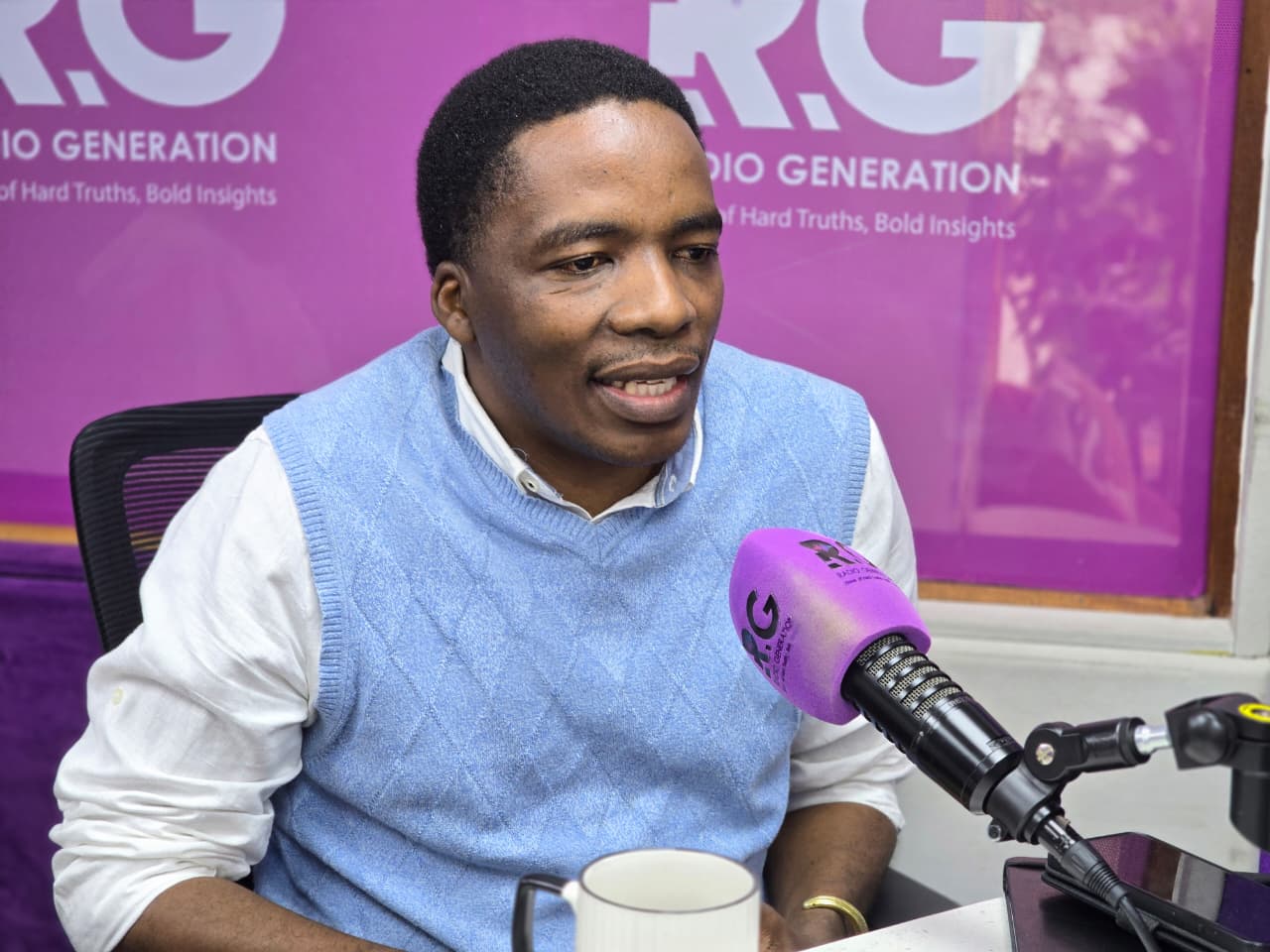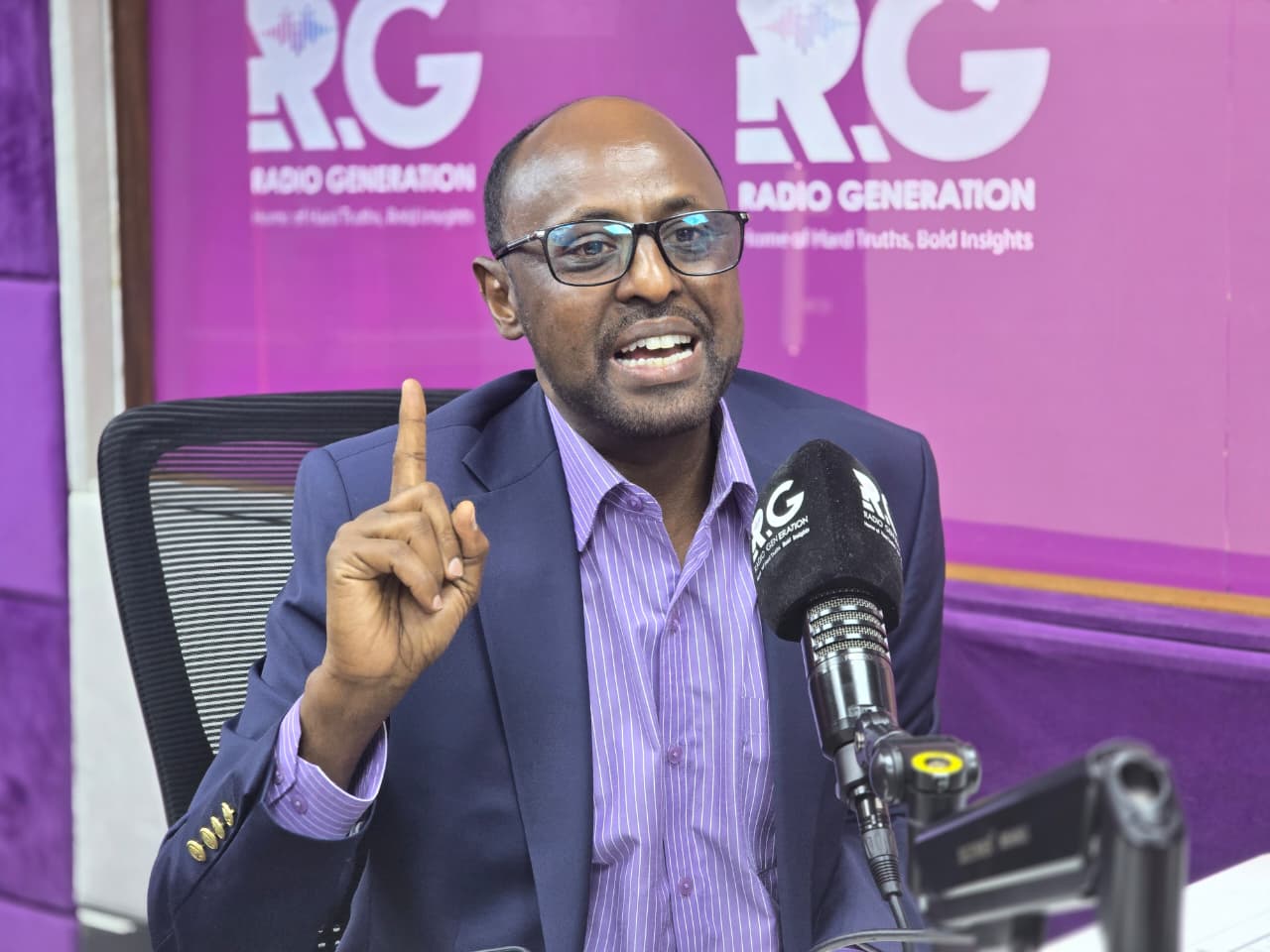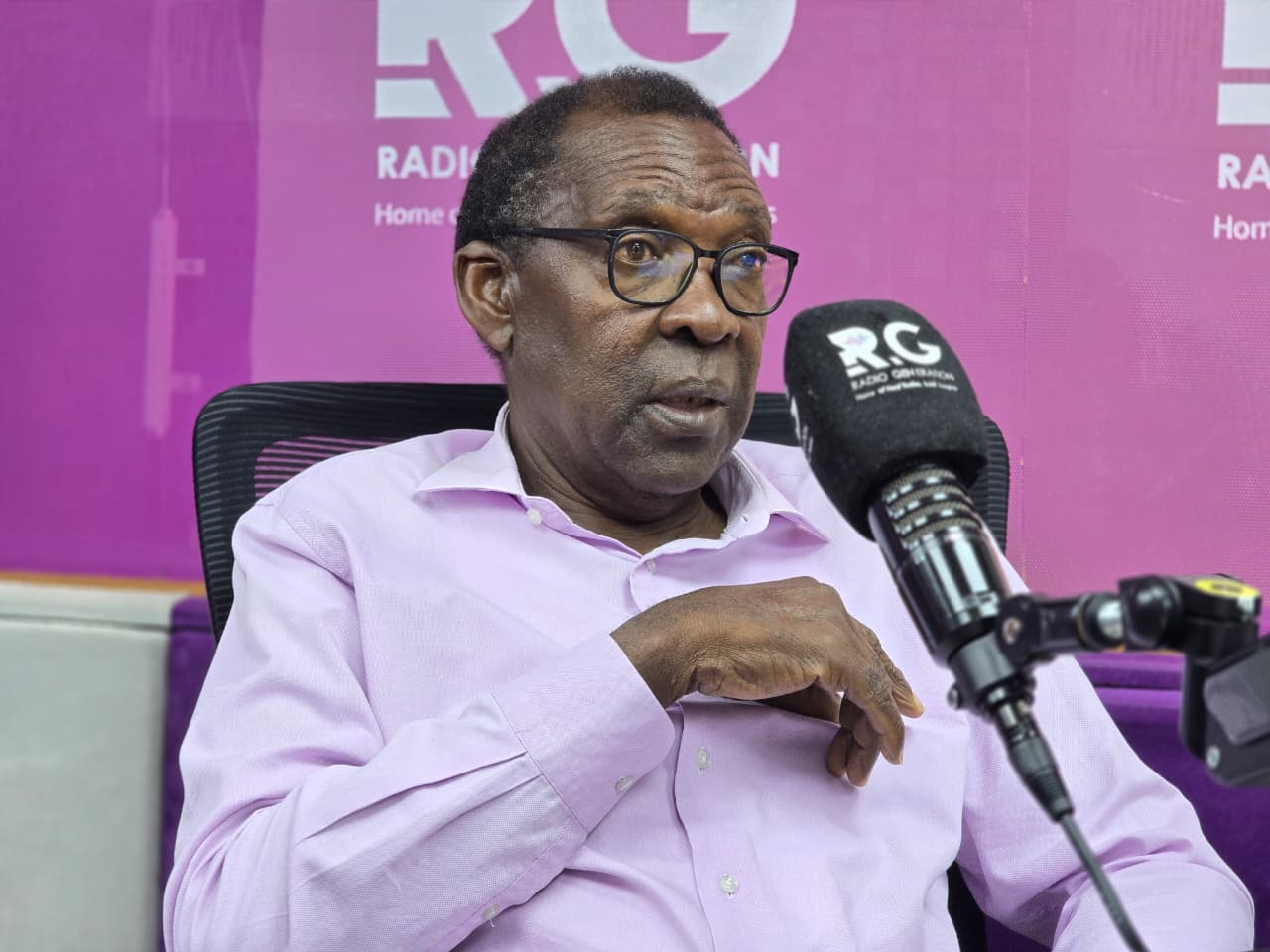
Political analyst Herman Manyora has warned that Kenya could face serious consequences if political leaders fail to exercise restraint as the country heads towards the 2027 elections.
Speaking on Wednesday, Manyora urged politicians to avoid personal attacks and inflammatory rhetoric, emphasizing that rising hostility among leaders could undermine public confidence and weaken the standards of leadership.
“As elders, we must guide the nation, and we can only tell the President and other politicians, what they are doing is not right, so we must call them to order,” Manyora said. He noted that unchecked confrontations between leaders risk drawing them into unnecessary conflicts and diminishing their stature in the eyes of the public.
“There must be a limit to how low you can go as leaders, because at the end of the day, we have everybody looking up to you for inspiration, for leadership, for guidance,” he added.
His warnings come amid heightened political exchanges between President William Ruto and former Deputy President Rigathi Gachagua.
In recent days, Gachagua has sharply criticised the Ruto administration, accusing it of mismanaging national affairs and ignoring key regions in terms of development. President Ruto has publicly fired back, condemning his former deputy’s comments as a direct challenge to government policies and national unity.
Observers say the exchanges reveal growing divisions within the ruling coalition, with Gachagua positioning himself as a challenger while Ruto works to reinforce his leadership ahead of the elections.
Both continue to make pointed remarks during rallies and media appearances, further fuelling public debate.
Manyora also highlighted the role of advisers in leadership, stressing that those in power should surround themselves with individuals who offer honest and courageous counsel.
“When you are a leader, keep company with people who can advise you,” he said. Advisers, he added, must be willing to “tell you things nobody else is telling.”
The analyst warned that leaders without strong counsel are prone to emotional reactions. “Anger is a very bad thing. Anger in leadership or in fight, even in war, kingdoms have been demolished because kings got angry,” he said.
He further cautioned that political opponents often provoke leaders into reacting, which can then be used against them. “When you get annoyed, your opponents celebrate, because now they have dragged you to where they can now punch,” he noted.
Deputy President Kithure Kindiki has also weighed in on rising political tensions, warning against divisive politics and rhetoric. In Meru on March 13, he pledged to make “twenty trips for every ‘inciteful’ opposition visit,” highlighting concerns about actions that could fuel conflict. Earlier, on February 25, he cautioned leaders accused of stoking political tensions among youth and challenged Gachagua directly, arguing that he “lacks moral authority to lecture the government.”
Analysts say Kindiki’s interventions reflect the government’s efforts to counter narratives perceived as destabilising, with the deputy president increasingly defending cohesion within the administration and condemning rhetoric deemed provocative.
Manyora said unchecked confrontations could erode what he called “presidential poise,” making leaders appear less authoritative. “You are no longer presidential. You look like a common person,” he said, warning that public reactions to political clashes can encourage further escalation. “Crowds love blood, they would love to see somebody who’s elevated being brought down,” he added.
He stressed that during election campaigns, politicians often focus more on criticising opponents than explaining their plans. “When people are campaigning, they spend less time telling people what they’re about to do. They spend more time telling you how useless the opponent is,” he said.
Manyora cautioned that as the country approaches the next general election, such dynamics are likely to intensify. “We are in electioneering season, and they are setting the tone, the rhetoric that you can expect,” he said. He urged leaders across the political divide to act responsibly, warning that failure to do so could have far-reaching consequences. “With the sort of temperatures we have now, as we go to 2027, we can burn our country. We can’t allow it,” he said.
Reflecting on the broader pursuit of political power, Manyora cautioned against prioritising positions over national stability. “Unless you put things where they belong, you may kill yourself fighting for things that are so useless,” he said.
His remarks underline growing concerns about political discourse in Kenya and reinforce calls for leaders to prioritise unity and responsible leadership in the lead-up to the 2027 elections.