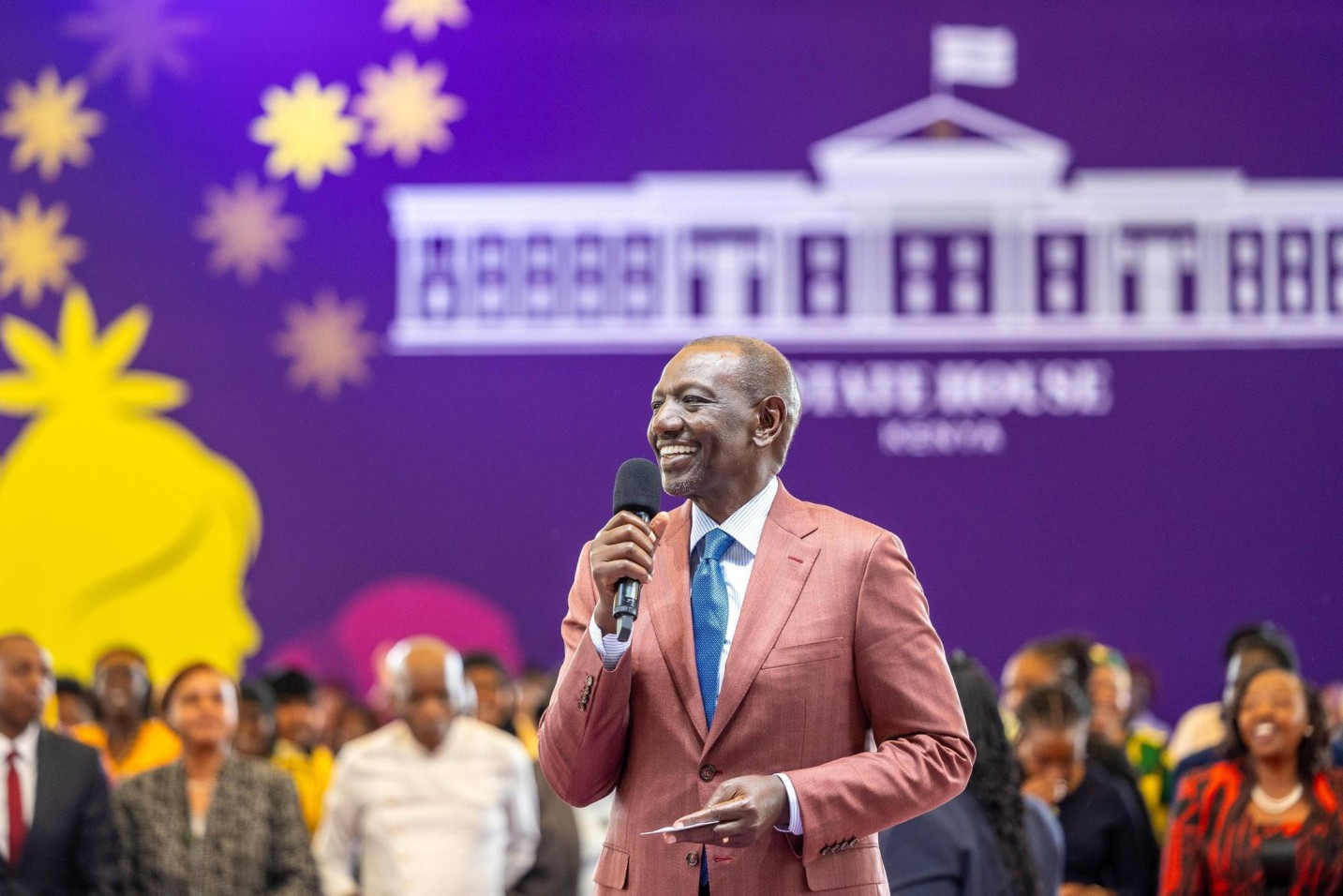
President William Ruto on Wednesday explained that progress is being made in transforming Nairobi through infrastructure upgrades, waste management, and urban renewal projects.
The government reports ongoing work in roads, water supply, street lighting, and river regeneration, with thousands of traders set to benefit from a modernised Gikomba Market as part of wider efforts to improve the capital.
“We are transforming Nairobi into a modern, clean and orderly city,” the President said, noting that the initiative is being carried out in collaboration with county authorities.
The president pointed to waste management as one of the areas where progress has been made, saying efforts are underway to address long-standing challenges related to garbage collection and disposal in the capital.
“Thanks to our coordinated waste management plan, more than 40 trucks are already clearing legacy waste, with 150 more being mobilised within three weeks,” he said. The move is aimed at tackling accumulated waste and improving sanitation across the city.
Street lighting and energy access are also part of the broader transformation agenda. The government plans to expand lighting infrastructure while improving power connectivity in underserved areas.
“We are installing over 40,000 solar and smart streetlights and rehabilitating 10,000 existing ones,” the president said, adding that there are also plans to roll out power connections to informal settlements.
Infrastructure development is another key focus, with the government undertaking road construction and rehabilitation projects across Nairobi.
According to the update, “247km of new and rehabilitated roads with drainage and lighting” are being delivered, with “63 km already underway and 77 per cent complete.” The projects are expected to improve mobility, reduce congestion and enhance safety within the city.
Water supply has also been identified as a priority, with expansion works underway to boost capacity.
“The Ng’ethu-Gigiri water works expansion will soon supply 51,000 cubic metres of water to the city,” the president said, indicating that the project is intended to address persistent water shortages in Nairobi.
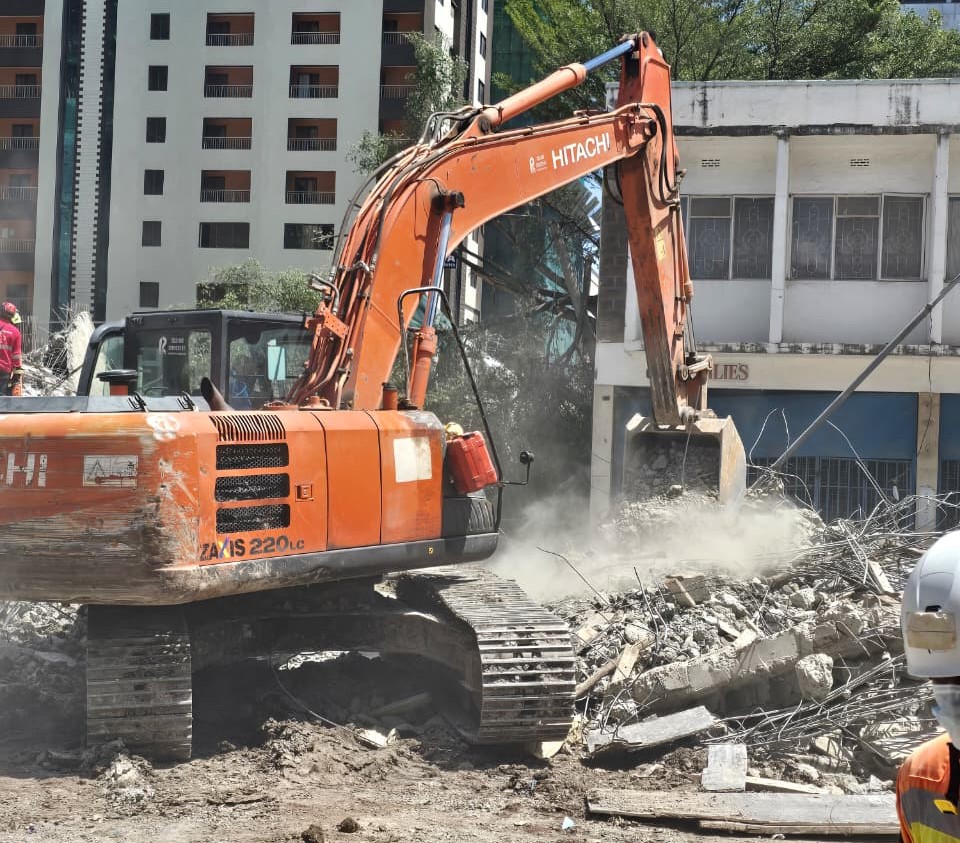
Efforts to rehabilitate the Nairobi River are also progressing under the Nairobi Rivers Regeneration Programme. The initiative is aimed at restoring the river ecosystem while improving the surrounding environment.
“The Nairobi Rivers Regeneration Programme is on course, with the Gikomba Market river front having started,” he said, referring to one of the initial project sites.
In addition to environmental restoration, the programme includes plans to modernise key trading hubs within the city.
The president said “the construction of a modern Gikomba Market will provide a safe and dignified work space for nearly 5,000 traders, ease congestion and reduce fire risks.” The market has in the past been affected by overcrowding and periodic fires, raising safety concerns.
The broader transformation plan seeks to address multiple challenges facing Nairobi, including infrastructure deficits, environmental degradation and rapid urbanisation.
The cooperation agreement between the national government and the county administration is seen as a framework for coordinating development efforts and accelerating service delivery in the capital.
The update reflects the government’s efforts to reshape the capital through large-scale investments and coordinated planning.
However, the success of the initiative will depend on sustained implementation and the ability to address the complex needs of a growing urban population.
As work continues across various sectors, the developments outlined signal a renewed focus on improving living conditions, infrastructure and environmental management in Kenya’s capital city.