State to use AI in police recruitment - CS Murkomen
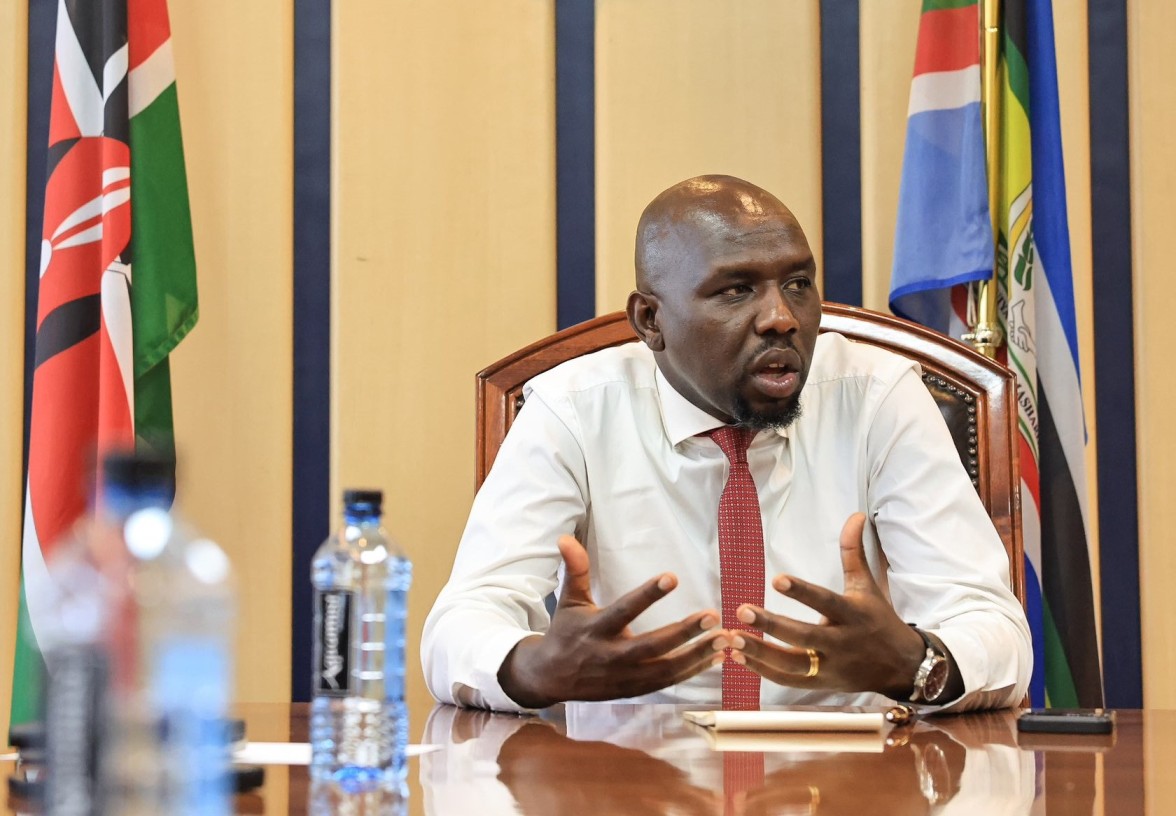
Speaking at the finals of the AI hackathon hosted by the National Intelligence Research Unit on Wednesday, Interior Cabinet Secretary Kipchumba Murkomen signaled the end of the manual era.
The Kenyan government is set to bring technology to the heart of policing, introducing artificial intelligence in recruitment and replacing handwritten police books with a digital system to make reporting faster and more transparent.
Speaking at the finals of the AI hackathon hosted by the National Intelligence Research Unit on Wednesday, Interior Cabinet Secretary Kipchumba Murkomen signaled the end of the manual era.
“We must strengthen the interface between security and AI. The skills required now are for a global stage. Police recruitment must now include AI; we need to infuse professionals who can help the service combat modern threats,” he said.
The shift includes a digital occurrence book and a decentralized reporting system, allowing Kenyans to file reports from home or the scene of a crime. “In the next three months, all of us will be able to reach our police stations from the comfort of our homes, hotels, and anywhere we will be. Digitization is the key,” said Douglas Kanja.
Beyond reporting, the government plans a massive rollout of digital gadgets and CCTV cameras to improve accountability, curb errors, and deter police misconduct. Noordin Hajj warned that while AI is critical for national security, “We must effectively integrate AI into national security, but regulating the environment will be critical.”
As the NIRU hackathon winners collected prizes for their innovative solutions, the message was clear: the next generation of Kenyan policing will be built on code.
Police recruitment in Kenya is usually handled by the National Police Service Commission, which fills constable positions through a nationwide process, often in-person at constituency levels.
Applicants must be Kenyan citizens aged 18–28, hold a valid Kenyan ID, and have a minimum KCSE grade of C+ (or equivalent), with height requirements of 5'8" for males and 5'3" for females.




Comments
Sign in with Google to comment, reply, and like comments.
Continue with Google