Haiti has pushed back a key step in its long-delayed return to elections after the country’s electoral body announced that voter registration will no longer begin as planned, raising fresh uncertainty over plans to hold the first presidential vote in nearly ten years.
The Provisional Electoral Council, CEP, said the exercise that was set to start on April 1 will now be rescheduled, with new dates to be communicated soon. The process is central to preparations for presidential elections that had been pencilled in for August 30, followed by a possible runoff in December.
The delay comes as Haiti continues to struggle with worsening insecurity that has displaced more than 1.4 million people, about 12 per cent of the population. The scale of the crisis has raised serious concerns about whether authorities can organize a credible and inclusive vote.
CEP President Jacques Desrosiers told Reuters the postponement is linked to a legal issue involving the new administration under Prime Minister Alix Didier Fils-Aime. He said the government is required to issue a fresh decree before the registration process can move forward, a step that could further shift timelines.
Desrosiers noted that if the decree is released in time, the country could still proceed with elections before the end of the year.
Preparations had already faced setbacks. Desrosiers said the council had assessed hundreds of polling centres in June last year, but access later became more difficult as armed groups expanded their control beyond the capital into central and rural areas.
Haiti has not held elections since 2016. The country’s last president, Jovenel Moise, was assassinated in 2021 after repeatedly delaying a vote. Since then, successive administrations have promised to organise elections but have failed to do so, often pointing to security challenges.
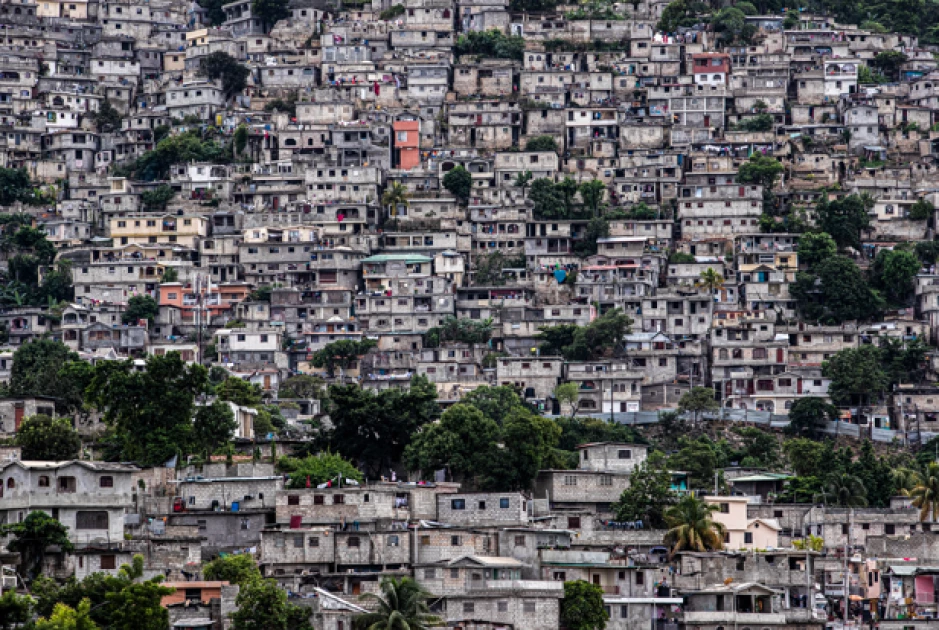
Armed gangs, largely operating under an alliance known as Viv Ansanm, now control much of Port-au-Prince, where over a quarter of the population lives. Their influence has grown in recent years, tightening their grip on key areas.
The group, which is seeking political recognition, has been labelled a terrorist organisation by United States authorities. It has been linked to serious crimes including kidnappings, sexual violence, arson, killings, and trafficking in weapons, organs, and drugs.
Despite the challenges, the CEP last month cleared 282 political parties to take part in the elections, though it has not yet released a list of candidates.