MPs grill ADAK over audit gaps, demand stricter financial controls
Another issue involved a Sh4.4 million loan advanced by the agency to the State Department for Sports in 2018 to support prize money for young athletes during a local event. While the agency linked the transaction to a presidential directive, lawmakers dismissed the justification.
Lawmakers have raised fresh concerns over how the Anti-Doping Agency of Kenya handles public funds after a detailed review of its audit reports revealed gaps in tax compliance, contract management, and accountability of imprest, prompting calls for stronger internal controls and adherence to financial laws.
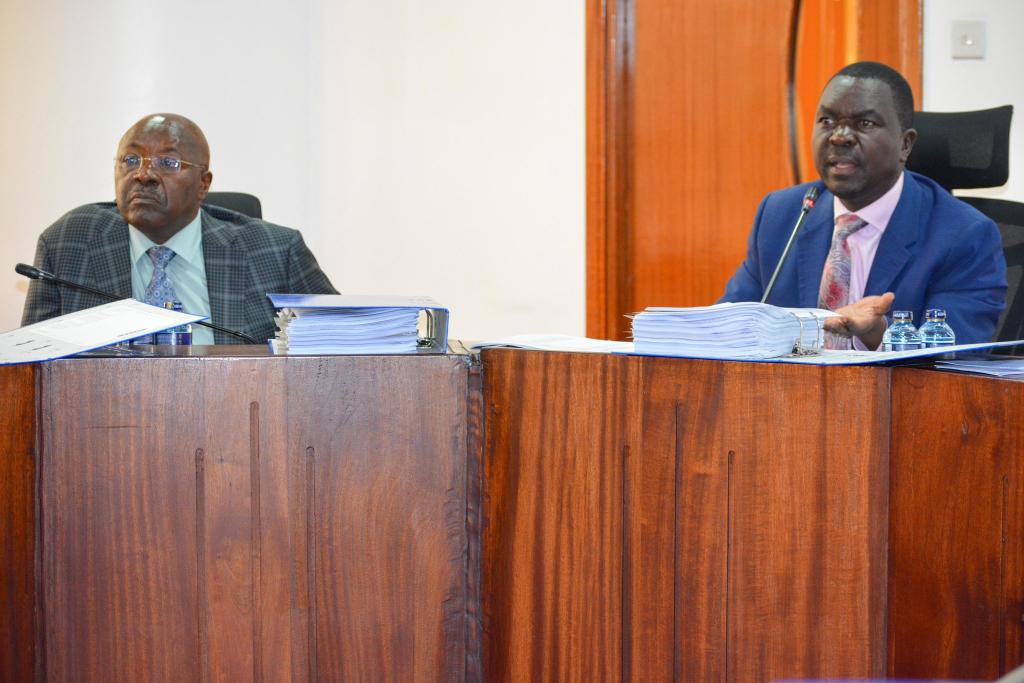
The National Assembly Public Investments Committee on Social Services, Administration and Agriculture, chaired by Emmanuel Wangwe on Wednesday, examined audit findings covering several financial years since the agency was established. The session focused on recurring issues that have appeared across multiple reports and questioned why corrective measures have taken long to take effect.
One of the main issues discussed was the failure by the agency to remit more than Sh4.1 million in statutory deductions to the Kenya Revenue Authority. The agency’s acting chief executive, Peninah Wahome, explained that the shortfall occurred during the early stages of the institution due to limited technical capacity among staff handling tax matters.
"The staff happened to have limited competency and thus were unable to go around the income tax management system”, Ms. Wahome stated.
However, members of the committee rejected the explanation, arguing that the qualifications of the finance team should have prevented such mistakes. The chairperson questioned the justification and insisted that public officers entrusted with financial roles must demonstrate competence in managing statutory obligations.
"We don't expect these errors to be there”, Hon. Emmanuel Wangwe remarked.
The committee instructed the agency to provide proof of compliance by presenting a tax clearance certificate from the Kenya Revenue Authority, to confirm whether penalties or interest had accumulated due to delayed remittances.
Attention then shifted to the agency’s decision to engage a private legal firm, Omaniba & Company Advocates, without clearance from the Attorney General as required by public procurement procedures. Lawmakers described the arrangement as irregular and inconsistent with established guidelines for state entities.
In response, ADAK officials explained that the firm had been carried over from Athletics Kenya during the transition period when the agency was formed. They added that the lawyers were retained to continue handling ongoing anti-doping cases that were already in progress at the time. Despite this explanation, members of the committee maintained that future engagements must strictly follow the law.
The committee also examined a case involving travel imprest issued to a staff member who had been deployed to Norway on official duty. According to the audit findings, the officer failed to return to office and later moved to the United Kingdom without clearing the imprest or providing a formal explanation.
Although management indicated that boarding passes had been submitted remotely, they were unable to account for the outstanding funds. The committee directed the agency to take steps to recover the money through appropriate legal channels.
Another issue involved a Sh4.4 million loan advanced by the agency to the State Department for Sports in 2018 to support prize money for young athletes during a local event. While the agency linked the transaction to a presidential directive, lawmakers dismissed the justification.
The chairperson instructed the agency to withdraw the explanation, stressing that no directive can override legal requirements governing the use of public funds. Members warned that such actions risk weakening accountability frameworks in public institutions.
The committee further questioned delays in the implementation of a Sh39 million Enterprise Resource Planning system intended to improve the agency’s operations. Management attributed the delay to staff being frequently engaged in field activities, which limited their availability for training required for the system’s rollout.
Members of the committee said the delays undermined the purpose of the investment and resulted in poor value for money. They directed the agency to provide a clear implementation schedule and ensure the system is fully operational without further delays.
Despite the concerns raised, the committee acknowledged that the agency has taken steps to improve its internal processes in recent years, including strengthening internal audit functions and formalising certain administrative arrangements.
In her remarks, the acting chief executive described the session as a learning experience and expressed appreciation for the feedback received.
"I want to admit that this was an eye-opener learning process. We are leaving this place way better than we came in, she stated.
Lawmakers, however, reminded the agency of the importance of its mandate, especially in safeguarding Kenya’s reputation in international sports, and urged management to maintain strict compliance with public finance management requirements.
"You hold a very important position for this country, especially the image of Kenya when it comes to anti-doping issues. You must therefore exercise diligence and adhere to the public finance management requirements”, noted MP Emmanuel Wangwe.

Comments
Sign in with Google to comment, reply, and like comments.
Continue with Google