The Deputy President’s office is under scrutiny after MPs raised audit concerns over spending, hiring, and stalled projects over the past two years during a session of the National Assembly Public Accounts Committee on Thursday.
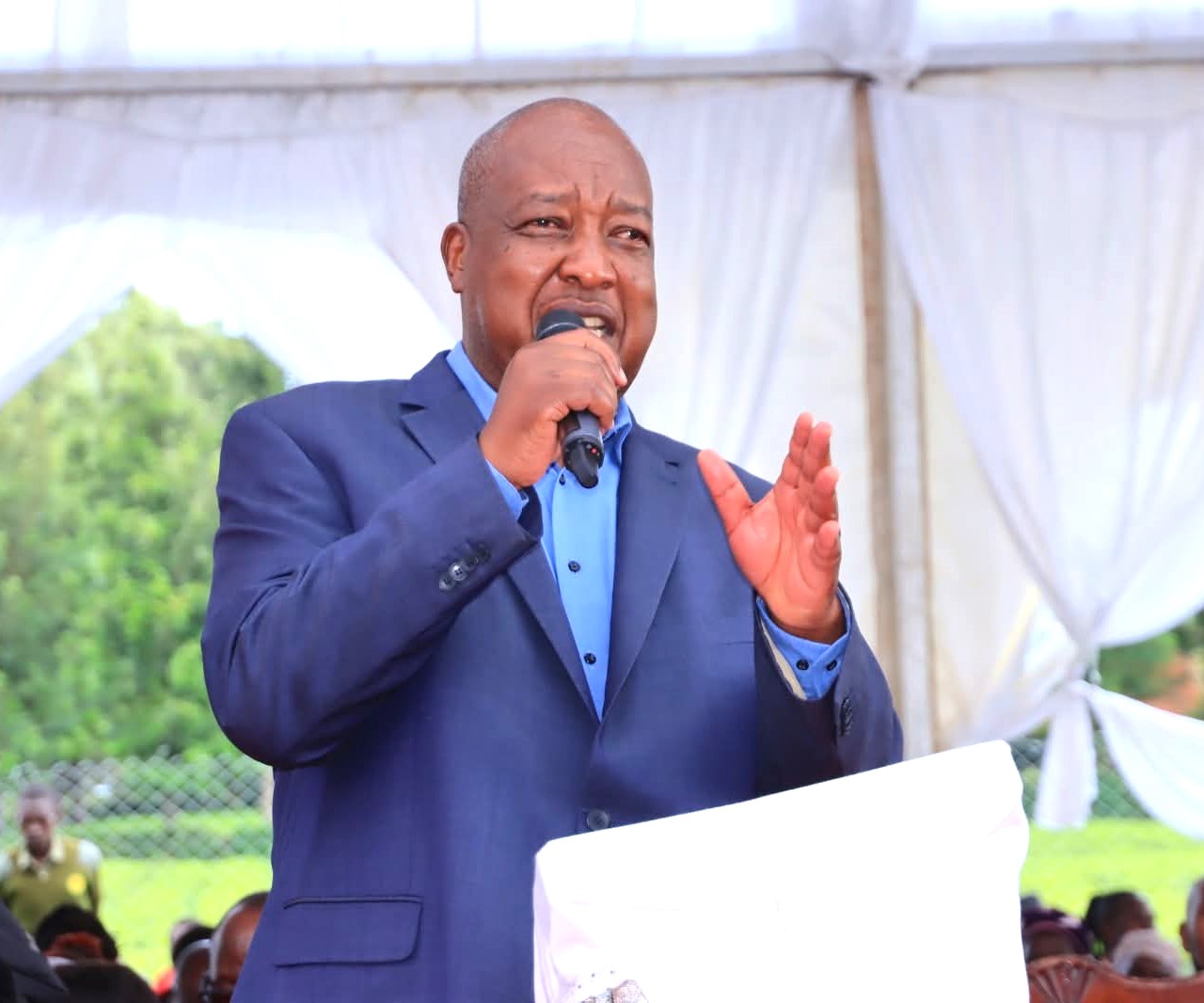
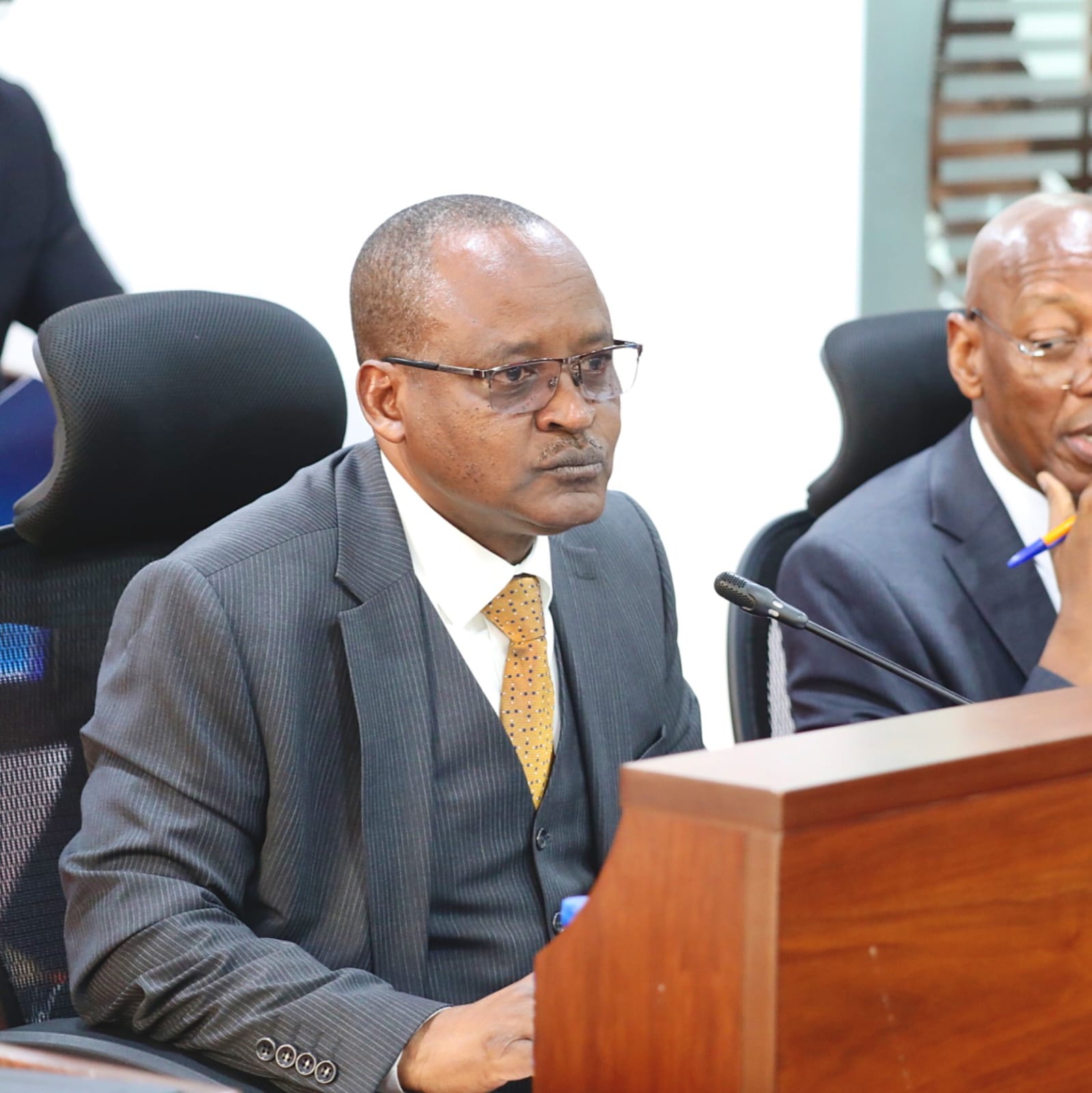
The committee, chaired by Tindi Mwale, questioned officials led by Principal Administrative Secretary Moses Mbaruku over issues flagged by the Office of the Auditor General.
Lawmakers raised alarm over high expenditure on helicopter services, with Otiende Amollo seeking clarity on inconsistencies in reported costs.
“There is a particular entry for a chopper for Tharaka, Isiolo, Laikipia and Kitui where it is over Sh8.08 million, while many entries are between Sh3–4 million. What is the total amount spent on choppers only?” he posed.
Wilberforce Oundo also questioned the purpose of the flights, asking: “Are all these choppers being used for official duties or personal business?”
In response, Mbaruku told the committee that the office would provide additional documentation to clarify the expenditure.
Meanwhile, Naisula Lesuuda pressed for procurement details, stating: “We need to know when the services were procured. We know resources will never be enough.”
The committee also examined spending on the refurbishment of the Mombasa State House annex, where Sh49 million has already been used against an initial allocation of Sh43 million. The office is now seeking an additional Sh20 million in the next financial year.
Mbaruku explained that the extra funds would go toward completing the administration block, adding that only minor works remain, including the swimming pool and a few security-related rooms.
However, MPs questioned the project’s financial and contractual management. Otiende asked: “I note that the total amount paid equals the initial contract sum. What percentage of the work has been certified and approved?”
Oundo raised concerns about delays, noting that the Auditor General reported a 16-month delay on the project, which began in January 2024 and was initially scheduled for completion by August 2, 2024.
Mathioya MP Edwin Mugo called for more documentation, saying: “We need sufficient information to determine whether there was any breach of the law.”
A major point of contention was the Auditor General’s finding on ethnic representation within the office. The report indicated that out of 542 employees, 249—equivalent to 46 percent—came from a single ethnic community, contrary to Section 7(1) of the National Cohesion and Integration Act, which caps such representation at one-third.
Mbaruku defended the staffing structure, noting that many employees are on contract and handle sensitive assignments.
Otiende challenged this explanation, arguing that contractual status does not exempt the office from compliance with the law.
Aldai MP Marianne Keitany questioned service delivery, saying: “If nearly half the staff are on contract and from one ethnic group, are we truly delivering services effectively?”
Nabii Nabwera also expressed concern, warning that such imbalances undermine national cohesion.
In response, Mbaruku acknowledged the issue and said corrective measures are underway. He noted that the current administration had been instructed to address the imbalance and claimed the highest representation has since been reduced to 23 percent, with efforts ongoing to improve diversity.
Committee chair Tindi Mwale issued a firm directive, urging the office to urgently address the issue and comply with the law, terming it a serious concern for both Parliament and the public.