Senator Omtatah faults EACC for overstepping mandate
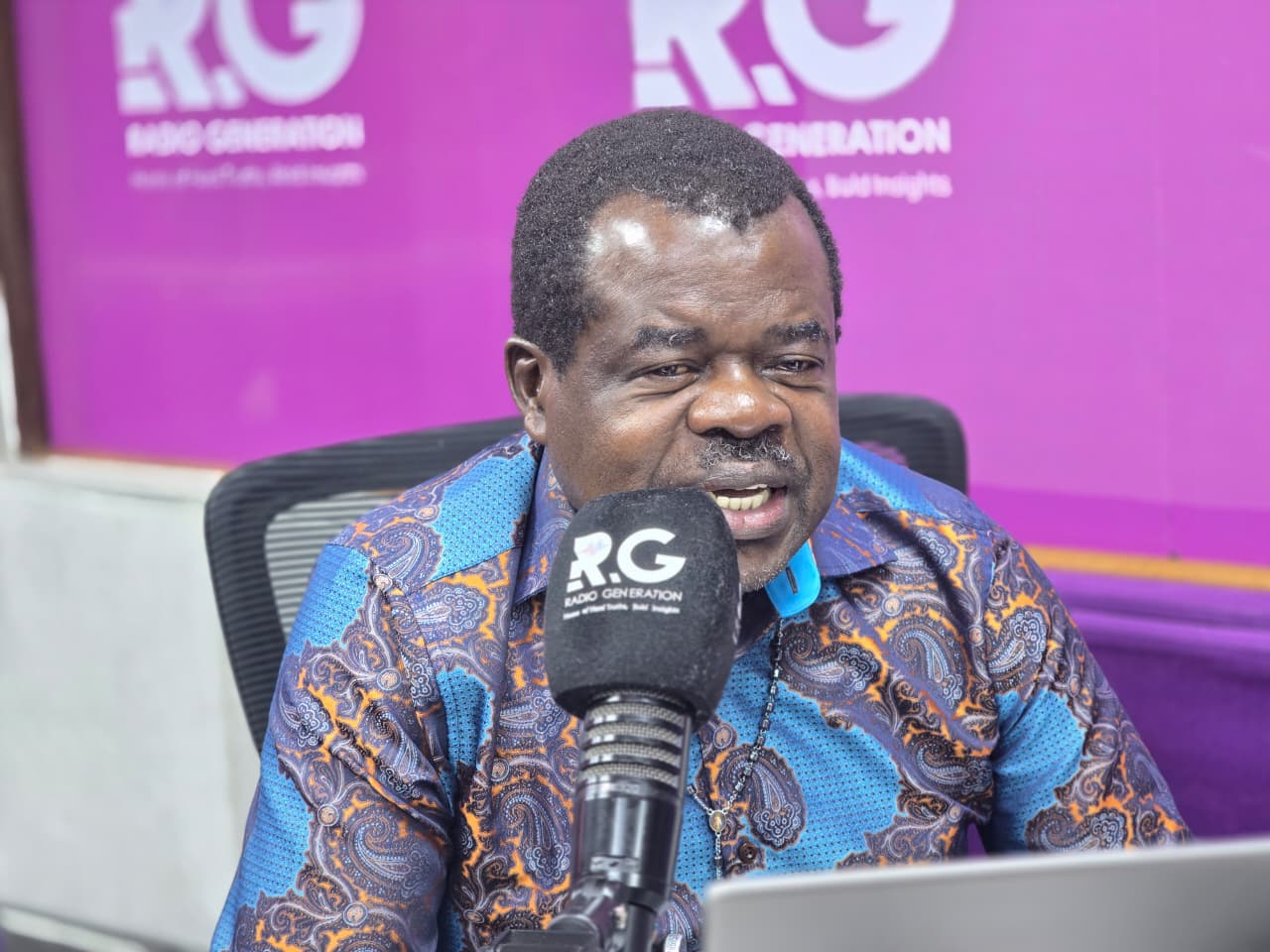
peaking on Radio Generation on Thursday, he described the commission’s mandate as fundamentally misunderstood and misapplied, especially when it comes to enforcing Chapter Six of the Constitution, which he said is effectively reduced to a “code of conduct” rather than a mechanism for rooting out as‑yet unchecked corruption.
Busia County Senator Okiya Omtatah has criticised the Ethics and Anti‑Corruption Commission (EACC), arguing that the agency has failed to effectively enforce anti‑graft laws and address corruption cases.
Speaking on Radio Generation on Thursday, he described the commission’s mandate as fundamentally misunderstood and misapplied, especially when it comes to enforcing Chapter Six of the Constitution, which he said is effectively reduced to a “code of conduct” rather than a mechanism for rooting out as‑yet unchecked corruption.
“When you come to EACC, if you look at the article establishing it, Article 79 of the Constitution very clearly establishes the EACC to enforce Chapter Six. Chapter Six is just a code of conduct — you’ll be dressed well, you’ll behave well in public,” Omtatah said.
He argued that such provisions are insufficient for tackling real corruption and should have been applied, for example, in cases “against the president who was insulting people.”
According to Omtatah, many of the cases referred to the EACC end with little resolution, pointing to a systemic weakness in anti‑corruption enforcement.
Omtatah also questioned EACC’s crime‑busting powers, which were inherited from the old Economic Crimes Act and predate the current constitution, suggesting that they blur lines of authority with the police.
“A civilian organisation purporting to fight crime… it doesn’t make sense,” he said, adding that actual crime management should be led by the police and the Directorate of Criminal Investigations, to whom the EACC often still relies for investigative support.
His criticism reflects frustrations with unresolved procurement issues in Busia County, including a refrigerated truck project originally intended to help local fishermen that he says was mishandled and poorly investigated by anti‑corruption authorities.
Omtatah’s concerns come against a backdrop of mixed performance by the EACC in the 2024/2025 financial year.
According to the commission’s annual report, EACC processed 4,183 corruption reports, of which 1,846 were taken up for investigation, and 838 cases remained under active investigation during the period.
The agency also forwarded 175 case files to the Office of the Director of Public Prosecutions, with 54 cases concluded in court — resulting in 33 convictions. Despite these outcomes, there were still 213 corruption and economic crime cases pending before the courts, highlighting the challenge of prosecution and resolution of graft cases.
The report also showed significant preventive work, with EACC saying it averted potential losses of Sh16.5 billion through integrity tests and proactive investigations, and recovered about Sh3.4 billion in suspected corrupt assets.
Still, Omtatah argues such achievements are overshadowed by what he sees as EACC’s limited impact in enforcing Chapter Six and holding powerful officials accountable.
“The commission should focus on clear cases of theft where the law is absolute and crimes are evident,” Omtatah said, urging stronger crime‑fighting authority to be restored to the police, whom he described as “the ones equipped for it.”



Comments
Sign in with Google to comment, reply, and like comments.
Continue with Google