EACC flags rising risk of fake academic papers ahead of 2027 polls
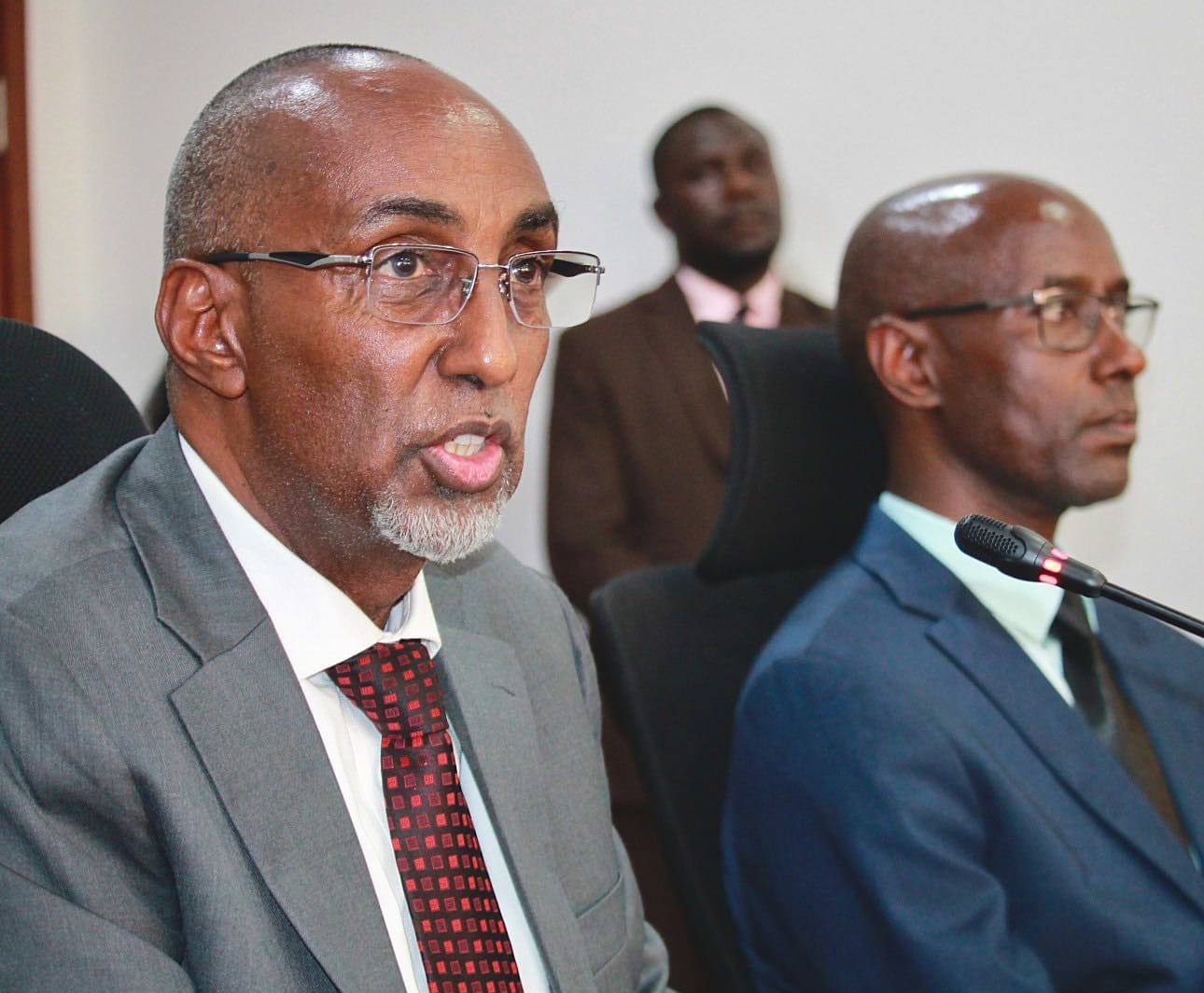
EACC Secretary and Chief Executive Officer Abdi Mohamud issued the warning during a capacity-building forum for members of the Bungoma County Assembly Service Board and the Committee on Powers and Privileges held in Kisumu.
The Ethics and Anti-Corruption Commission (EACC) has warned that weak verification systems in learning institutions could be exploited to push forged academic certificates into the political space ahead of the 2027 General Election.
The commission said some individuals eyeing elective positions may try to obtain fake qualifications to meet nomination requirements and clear the way for their participation in the polls.
EACC Secretary and Chief Executive Officer Abdi Mohamud issued the warning during a capacity-building forum for members of the Bungoma County Assembly Service Board and the Committee on Powers and Privileges held in Kisumu.
His remarks were delivered by Western Regional Manager Eric Ngumbi during a workshop focused on the implementation of the Conflict of Interest Act, 2025.
Mohamud noted that election periods often trigger increased attempts by aspirants who do not meet academic thresholds to use forged documents.
“To safeguard the integrity of the electoral process in the upcoming elections and to ensure that only legitimately earned academic qualifications are used for public office, the commission urges universities, colleges, examination bodies, and regulators to strengthen their internal control systems,” he said.
“During this time, individuals seeking elective positions without the requisite academic qualifications may seek shortcuts to qualify for nominations and clearance to contest election.”
He stressed that institutions must only issue certificates to individuals who have fully completed their academic programmes and met all requirements.
The EACC further said it will continue recovering salaries, allowances, and other benefits obtained through the use of fake academic papers.
The commission also raised concern over governance in counties, saying conflict of interest continues to fuel corruption in devolved units.
Investigations by the EACC have pointed to procurement and recruitment as the most affected areas, leading to irregular tender awards, ghost projects, poor-quality works, and biased hiring processes.
It warned that some county assemblies are not exercising independent oversight, but instead aligning too closely with county executives.
Mohamud alleged that some county officials channel tenders to proxy companies linked to MCAs in exchange for protection from scrutiny. He also cited cases where MCAs demand advance payments linked to expected tenders and use impeachment threats to influence decisions in county governments.
The workshop focused on the implementation of the Conflict of Interest Act, 2025, which introduced stricter wealth declaration rules for public officials and assigned County Assembly Service Boards and Committees on Powers and Privileges key enforcement roles.
Mohamud urged county assemblies to remain independent and firm in their oversight role, saying this is necessary to protect devolution and restore public trust.



Comments
Sign in with Google to comment, reply, and like comments.
Continue with Google