Court challenge filed over dismissal of 18 pregnant police recruits
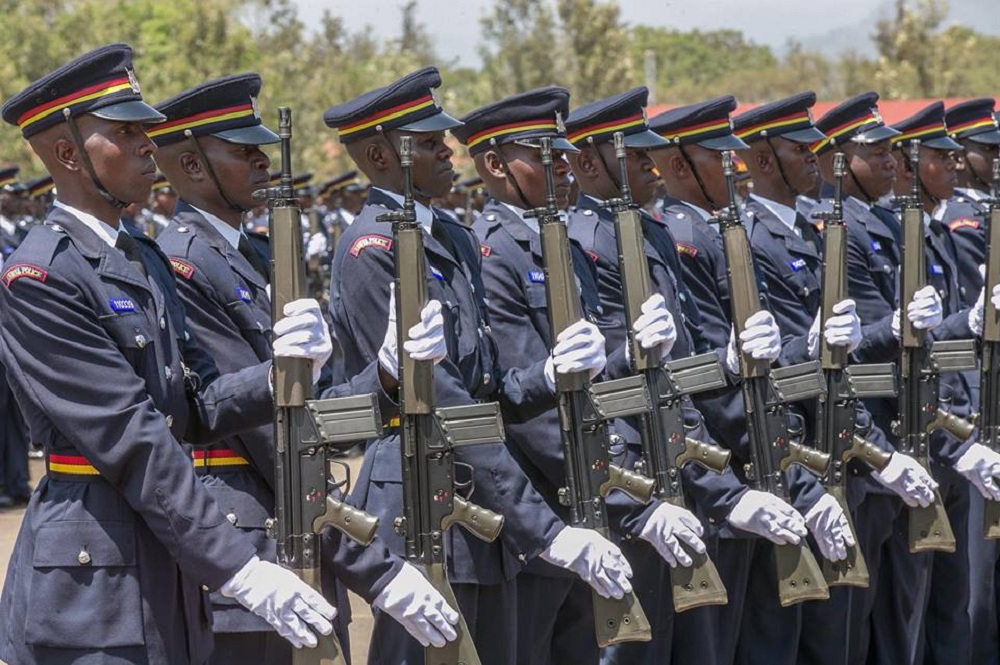
The case has been filed against Inspector-General of Police Douglas Kanja, the National Police Service Commission (NPSC) and the Attorney-General.
A court case has now been launched after 18 women recruits were removed from police training at Kiganjo following pregnancy tests, setting off a dispute over constitutional rights, recruitment rules and conditions inside disciplined forces training.
Two activists, Peter Agoro and John Wangai, have gone to the Employment and Labour Relations Court seeking orders to overturn the dismissals, terming the move unconstitutional, unfair and discriminatory.
The case has been filed against Inspector-General of Police Douglas Kanja, the National Police Service Commission (NPSC) and the Attorney-General.
The dispute stems from the November 2025 nationwide recruitment that brought in about 10,000 police constables, with the women joining the National Police College after receiving appointment letters and clearing earlier recruitment stages.
Shortly after reporting for training, mandatory medical checks led to the identification of pregnancy among the 18 recruits, after which they were discontinued from the programme.
During a briefing on May 7, 2026, National Police College Commandant Senior Assistant Inspector-General Gideon Munga Nyale confirmed that 54 recruits had been removed from training, including the 18 women, while others were dismissed for issues such as forged certificates, criminal records, medical grounds and disciplinary matters.
The petition argues that the women were singled out purely because of pregnancy despite already having secured positions in public service.
“The affected recruits were already pregnant before reporting to the college,”the petition says.
It further states that the recruits had already been issued with appointment letters and therefore had a legitimate expectation of employment after successfully completing recruitment stages.
The activists argue that the decision violated constitutional protections on equality, dignity, fair labour practices, reproductive health and fair administrative action.
“The petitioners do not challenge the dismissal of other recruits who were found to have presented forged academic certificates, used false identification documents, had criminal records or committed disciplinary violations,” they say in the petition.
They further argue that pregnancy is a protected condition and cannot be treated as misconduct or fraud.
According to the court papers, the recruits were sent home without hearings, written explanations or an opportunity to respond to the decision.
“The pregnancy-based dismissals cause severe psychological harm to the recruits, who are made to feel that their bodies and constitutionally protected reproductive choices are incompatible with participation in Kenya’s security,” the petition says.
The petitioners say the sudden removal left the women facing loss of career opportunities, income and institutional support during pregnancy.
They now want the court to order their re-admission into the next available intake after childbirth and recovery, and compel the NPS and NPSC to develop clear rules on handling pregnancy in recruitment and training.
They are also seeking orders stopping future dismissals based on pregnancy.
The National Gender and Equality Commission has weighed in, questioning whether there is a clear legal framework guiding how pregnancy cases are handled in police training.
“The constitutional question that must be addressed is not whether pregnancy affects participation in strenuous training but whether the state has clear, lawful, proportionate, humane and non-discriminatory frameworks for handling such situations,” commission chairperson Rehema Jaldesa said.
She noted that while police training is physically demanding, administrative decisions must still respect constitutional rights.
The commission has called for policy reforms that could include deferment and re-entry options for affected recruits.
However, the National Police Service has defended the decision.
“This programme includes drills, obstacle courses and firearms training – conditions that pose serious risks to a pregnant recruit and her unborn child,”he said.
The service maintained the action was not punitive.
He described it as “a standard administrative procedure intended to safeguard the health of the mother and child”.
The case is set for mention on June 8, 2026, with respondents yet to file their formal replies.



Comments
Sign in with Google to comment, reply, and like comments.
Continue with Google