MPs demand tougher laws and oversight in anti-drugs fight
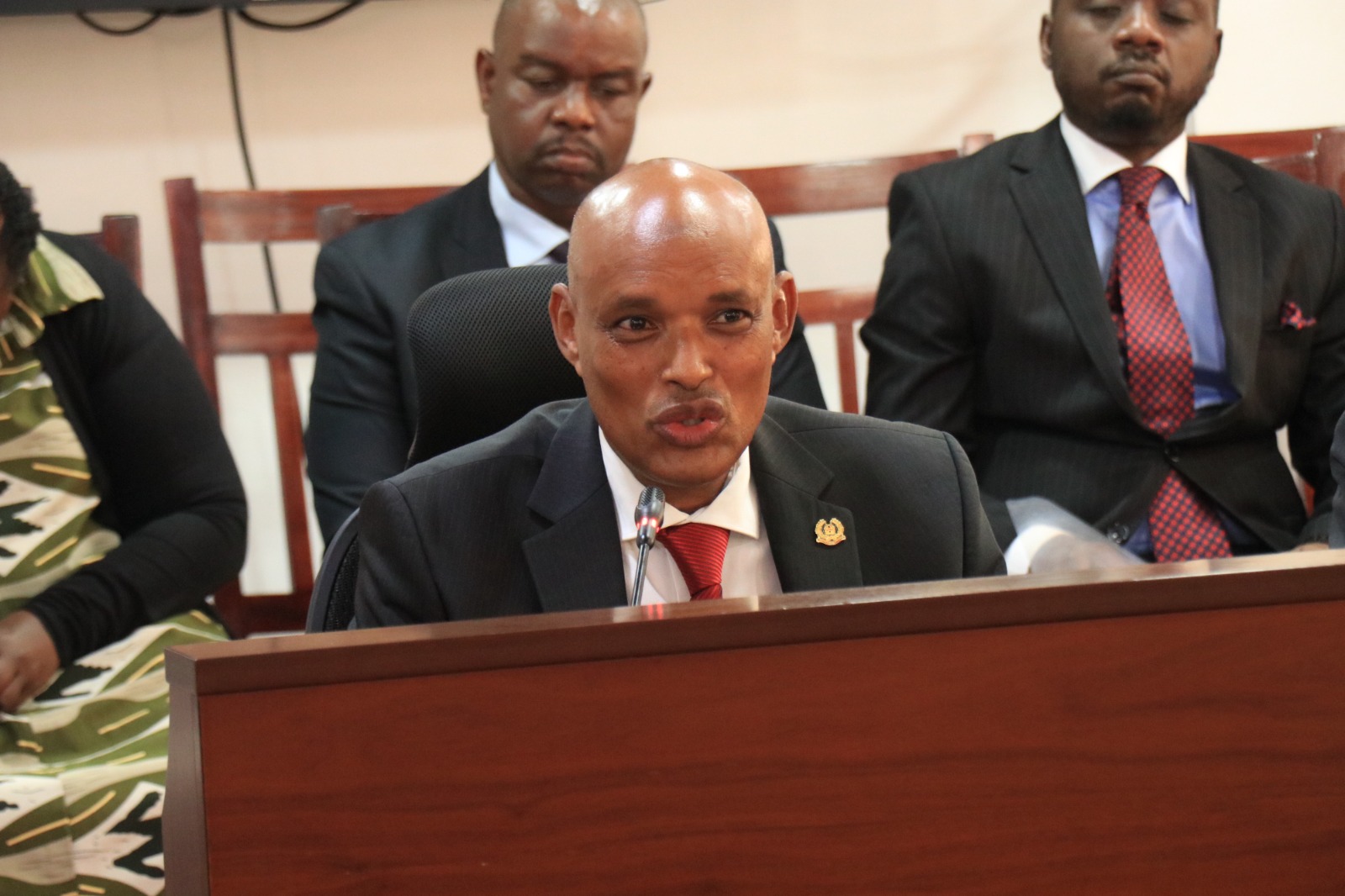
During the sitting on Thursday, chaired by Saku MP Dido Ali Rasso, concerns were raised over whether current anti-drug strategies have sufficient legal backing, with the committee emphasizing that enforcement must be grounded in approved legislation.
Members of the National Assembly have raised renewed concern over the country’s efforts to tackle alcohol and drug abuse, citing weak enforcement, legal uncertainties, and alleged interference within security agencies during a session with key government institutions.
The National Assembly Committee on Administration and Internal Security engaged officials from the Directorate of Criminal Investigations, the National Authority for the Campaign Against Alcohol and Drug Abuse, and the Anti-Narcotics Unit, with lawmakers questioning the effectiveness of ongoing interventions and warning that the rising trend of substance abuse could have long-term social consequences if not urgently addressed.
During the sitting on Thursday, chaired by Saku MP Dido Ali Rasso, concerns were raised over whether current anti-drug strategies have sufficient legal backing, with the committee emphasizing that enforcement must be grounded in approved legislation.
“Is this a national property owned by Parliament? Because in the absence of it being owned by Parliament, then it is not out there. You cannot enforce it,” he said. “In the absence of law, then you cannot effectively undertake the fight against alcohol and drug abuse.”
Homa Bay Town MP Peter Kaluma expressed alarm over the situation in parts of western Kenya, linking the worsening drug problem to alleged involvement of some police officers in facilitating illegal supply chains.
“You have a large body of skilled but unemployed young people being destroyed by drug abuse, especially in universities,” he said.
“My observation is that our police officers are aiding and abetting distribution of drugs… they cannot arrest themselves.”
He further alleged that some drug distribution points operate without disruption and that confiscated substances may not always remain under secure custody, pointing to possible breakdowns within the enforcement system.
Kisumu West MP Rosa Buyu supported the concerns, arguing that elements within the police service are deeply intertwined with the illicit trade.
“All the strategies we are discussing will not work because the problem starts and ends with the police,” she said.
“Even when illicit alcohol is confiscated, by morning it is gone, yet it was under police control.”
Nakuru Woman Representative Elizabeth Chelule questioned why reports from the agencies do not sufficiently address internal weaknesses, calling for more practical solutions at community level.
“Women are suffering. Children are being killed and raped, and this is driven by people under the influence of drugs and alcohol,” she said. “What exactly are you doing at the community level?”
Officials from the DCI, represented by Mohamed Amin, acknowledged that isolated cases of misconduct have been recorded but maintained that such behavior is not tolerated and is dealt with through disciplinary and legal processes.
“Any officer found involved in drugs faces disciplinary and court action,” he said, noting that the Anti-Narcotics Unit is undergoing reforms, including vetting and specialized training to strengthen its operational capacity.
He also pointed out that drug trafficking networks operate across borders, involving multiple countries in the region such as Uganda, Tanzania, and Ethiopia, which complicates enforcement efforts and requires coordinated intelligence sharing.
On policy matters, Anthony Omerikwa of NACADA admitted that there are gaps in the legal framework governing alcohol and drug control, noting that the national policy guiding the sector has not yet been fully enacted into law.
“We stand guided. We will ensure it gets legitimacy and the force of law,” he said, attributing delays to technical and drafting processes rather than legislative resistance.
He added that young people, especially those in higher learning institutions, remain the most affected group, based on available data showing high levels of substance use among students.
The committee has since urged the development of a unified legal framework, improved accountability within security agencies, and closer coordination among stakeholders as part of efforts to address what MPs described as a growing and urgent national concern.



Comments
Sign in with Google to comment, reply, and like comments.
Continue with Google