A major step toward extending Kenya’s railway network to the western border has been taken after authorities set aside large tracts of land to pave the way for the Naivasha–Malaba Standard Gauge Railway project, signaling the start of land processes linked to one of the country’s biggest infrastructure plans in recent years.
The National Land Commission has reserved 889.06 acres of land for the proposed expansion of the Standard Gauge Railway from Naivasha through Kisumu to Malaba, opening the door for planned acquisition of property along the busy transport corridor.
The move was formalized through a gazette notice released on Thursday, April 2, 2026, indicating the government’s intention to proceed with compulsory acquisition of land required for the railway line. The affected parcels stretch across several regions, including Narok, Kisumu, and the areas surrounding Naivasha, where the project is expected to begin its route.
In the notice, landowners whose property falls within the designated sections have been directed to access detailed maps and plans showing the affected areas. These documents are available at the headquarters of the National Land Commission at Ardhi House in Nairobi, as well as at county offices in Kisumu and Narok during working hours.
The planned railway forms part of the wider effort to expand the Standard Gauge Railway network, which is designed to improve movement of goods and passengers across the country while strengthening transport links to neighbouring states.
The Naivasha–Malaba stretch is expected to play a key role in connecting inland regions to the border.
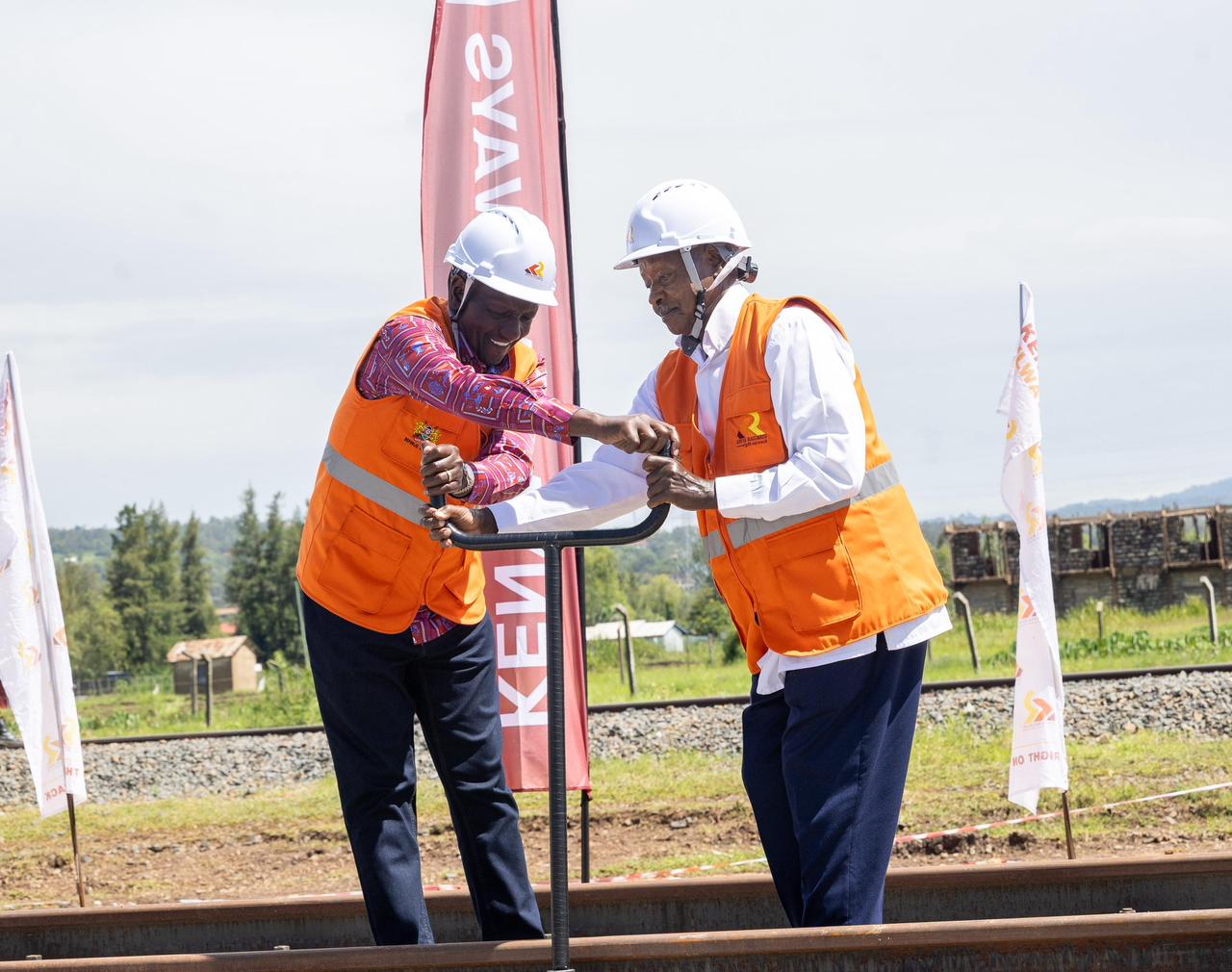
President William Ruto has already pointed to progress on the project, following a public event held on March 19, 2026, where Phase 2B of the Naivasha–Kisumu section was launched, reflecting the government’s continued push to advance the rail line toward completion.
Landowners along the proposed route have been urged to stay in touch with local county coordinators as the acquisition process unfolds, in order to receive guidance and ensure that compensation for affected properties is handled in a timely and fair manner.
At the same time, the National Environment Management Authority has invited members of the public to submit views on the environmental impact assessment for the Kisumu–Malaba section, also known as Phase 2C. The process is intended to gather input from residents, community groups, and other stakeholders on possible environmental effects linked to the project.
The public participation exercise is expected to help shape how environmental issues are addressed before construction advances further along the route, ensuring that concerns raised by affected communities are considered in the planning stage.
In the meantime, reports indicate that the government has already awarded the construction contract for the Naivasha–Malaba extension to China Communications Construction Company and China Road and Bridge Corporation. The two firms, which are large state-owned companies based in Beijing, have been involved in major infrastructure projects in many countries and are part of global development programs.
They are expected to undertake construction of the remaining sections of the railway, covering the Naivasha–Kisumu–Malaba corridor, at an estimated cost of Sh700 billion, which is about 5.4 billion dollars.
Once completed, the extended railway is expected to improve the speed of cargo movement, ease passenger travel, and strengthen trade routes between Kenya and its neighbours through the Malaba border point.