PS Opwora details how national administration drives service delivery across Kenya
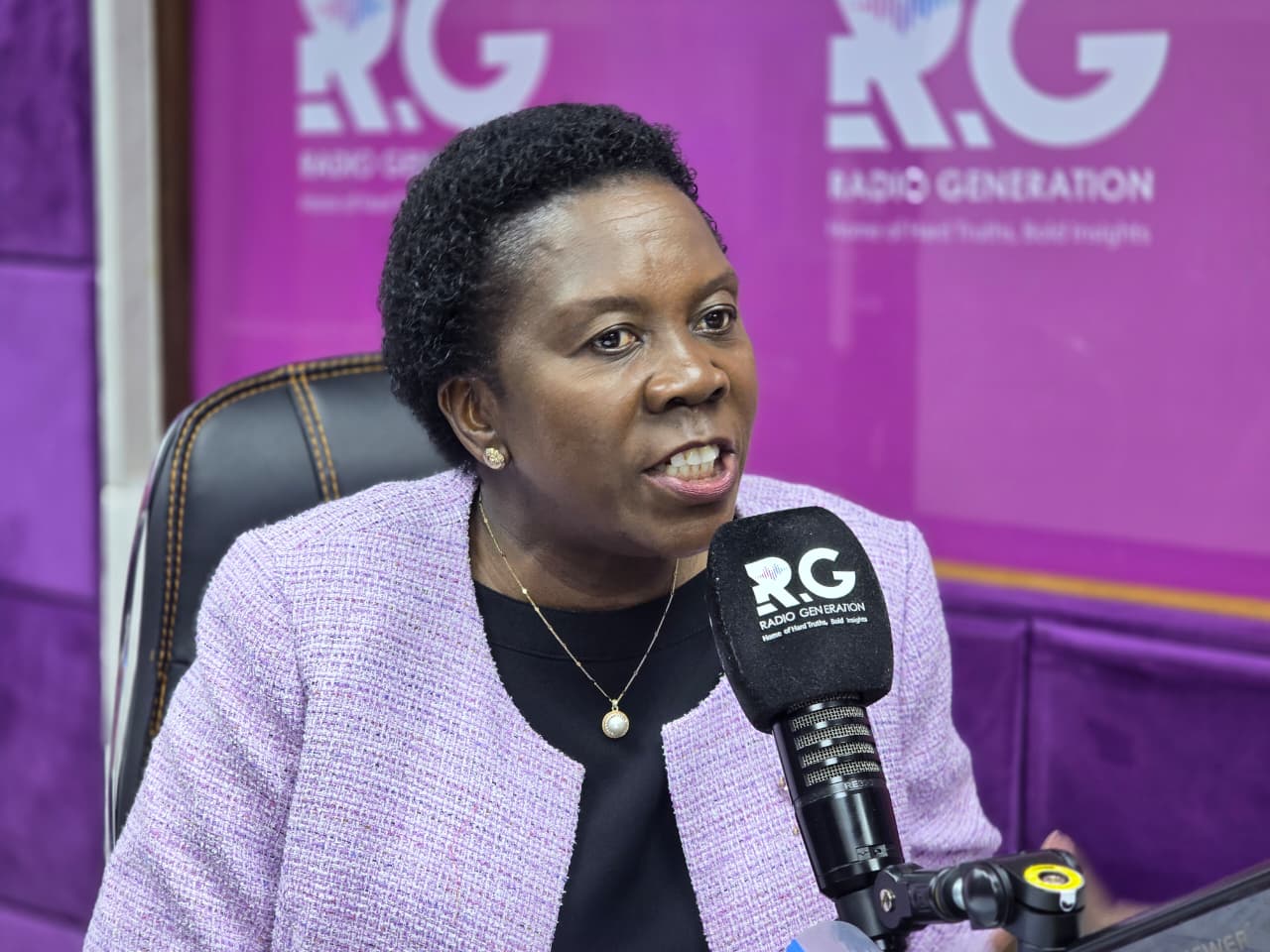
Principal Administrative Secretary Beverly Opwora says Kenya’s national administration system—through regional commissioners, chiefs and village elders—links citizens to services, supports ID verification, and mobilises communities for programmes, security and disaster response.
Principal Administrative Secretary for the State Department for Internal Security and National Administration Beverly Opwora has said Kenya’s national administration structure remains central to how government services are delivered, policies implemented, and elections prepared across the country, thanks to its wide reach from national offices down to village level.
Speaking during a Radio Generation interview on Wednesday, she explained that the system forms the main link between citizens and government services, ensuring coordination from the lowest units of administration to the national level.
She said the structure is built in layers, stretching from regional commissioners, county commissioners, sub-county administrators, chiefs, assistant chiefs, and village elders.
“We have 47 counties, 432 sub-counties, 1,157 divisions, 4,666 locations and 9,947 sub-locations,” she said, adding that the system reaches more than 100,000 villages nationwide.
Opwora noted that this wide network makes it possible for government programmes and policies to be implemented quickly and in an organised way across the country, especially at the community level.
She pointed out that chiefs play a key role in identity registration, saying they help confirm personal details before official documents are issued.
“It is the chief who, by attesting on a form, confirms that indeed it is you,” she said, adding that this process helps reduce fraud and ensures national records remain accurate.
On uncollected identity cards, she said the government is improving access to services through Huduma Centres and local administration offices.
“We can always trace where your identity card is,” she said, encouraging citizens to collect their documents from any government service point, regardless of where they registered.
She further said chiefs remain central in mobilising citizens for government programmes, including health drives, social protection initiatives, recruitment exercises and economic empowerment programmes.
“The chief is one who identifies the people and even mobilises them,” she said.
During recruitment exercises, she said chiefs help ensure young people are informed in time.
“When the government is going to carry out recruitment, it is the chief to inform the youth,” she said.
Opwora also highlighted their role in agriculture programmes, noting that chiefs were key in registering farmers under government subsidy initiatives.
“We were able to register over 6 million farmers in two weeks,” she said, adding that the number has since increased to 7.1 million.
On environmental efforts, she said the national administration has been heavily involved in the tree-planting drive aimed at growing 15 billion trees across the country.
“To date, they have planted a total of 119 million trees,” she said, adding that chiefs and assistant chiefs coordinate monthly tree-planting activities in schools, riparian areas, and community lands, supported by local nurseries.
She also noted that chiefs are involved in maintaining peace at the grassroots by helping prevent and manage local disputes, especially those linked to land, livestock and pasture.
“Any upcoming conflict, it can be neighbouring over pasture or livestock boundaries,” she said.
On disaster response, she said chiefs are often the first to alert residents during emergencies such as floods and droughts, and also help coordinate evacuation and relief distribution.
“They inform members of the public to move to safer grounds,” she said.
She added that chiefs also support humanitarian efforts, including distribution of relief food during emergencies.
Opwora concluded that the national administration system remains a key pillar of governance in Kenya, ensuring government programmes and policies reach citizens efficiently from the national level to the villages.


Comments
Sign in with Google to comment, reply, and like comments.
Continue with Google