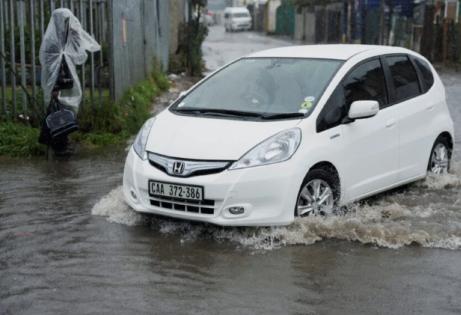
Unrelenting rains across northeastern South Africa have caused severe flooding, leaving at least 10 people dead and prompting authorities to close the Kruger National Park for safety.
The South African Weather Service has raised its highest alert for ongoing downpours, while Mozambique is also preparing for flooding that threatens homes and roads.
In Limpopo province near Kruger National Park, nine people lost their lives, a provincial spokesperson confirmed. Rescue teams have saved nearly 200 residents stranded by the rising waters, with dramatic images showing military helicopters lifting people from trees.
In Mpumalanga, a woman drowned while trying to cross a swollen river, adding to the toll of at least 19 deaths in the province since November, Freddy Ngobe, a provincial official, told AFP.
Ngobe warned that rivers are overflowing and major dams are at full capacity.
"As at now, the rains are pouring, they do cool off for a few hours or so, but the rivers are overflowing," he said, highlighting the continued risk to low-lying communities. President Cyril Ramaphosa visited Limpopo to review flood damage and the government’s emergency response.
Kruger National Park has evacuated six bush camps and several tented camps, and day visitor access has been suspended, the park’s communications director, Rey Thakuli, said.
Across the border in Mozambique, authorities have begun relocating residents from flood-prone areas, though casualty figures remain unclear. The country’s meteorology department has forecast continued heavy rain, thunderstorms, and strong winds, including in Maputo.
These extreme weather events highlight a pattern of climate disruption, with heavy rainfall in the northeast contrasting with droughts and fires in southern parts of the country.
"Our summer of extremes is but a small foretaste of the climate impacts that could follow if we do not act now," said James Reeler, senior climate specialist at WWF South Africa.































Comments
Sign in with Google to comment, reply, and like comments.
Continue with Google