
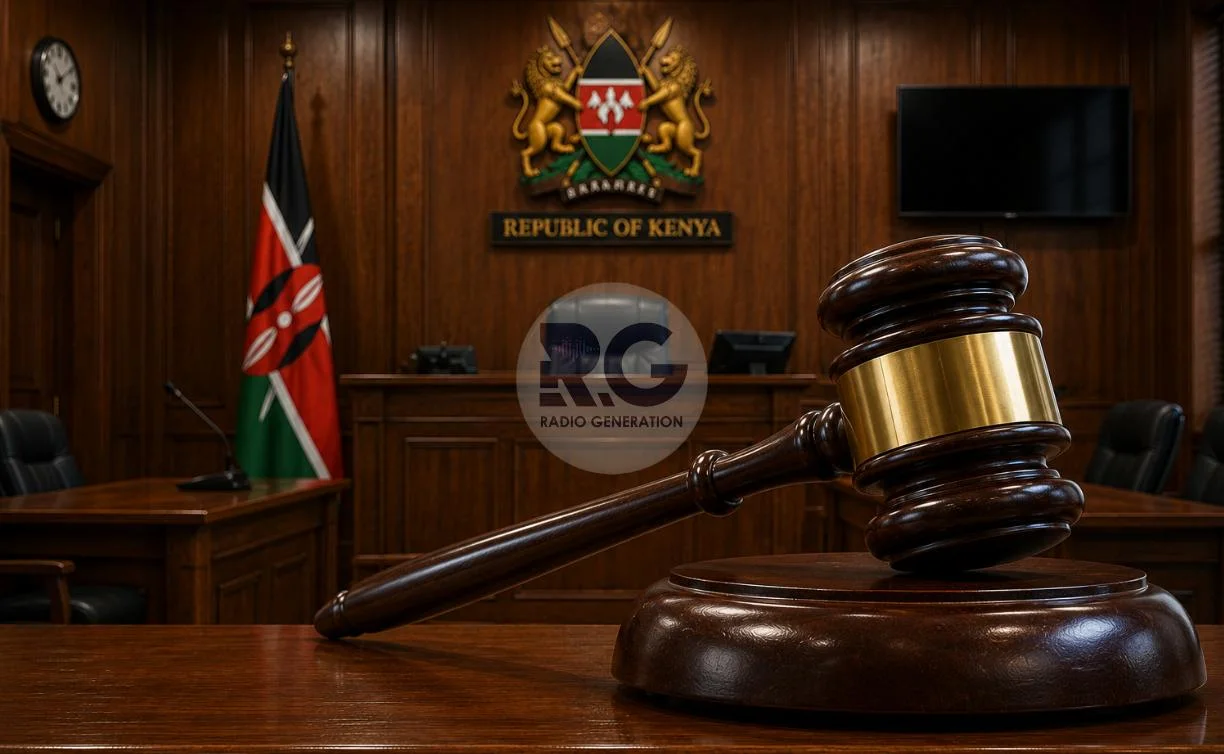
A legal battle involving 184 former Facebook content moderators has raised fresh concerns about the treatment of workers in Kenya’s digital economy, with allegations of forced labour, psychological harm, discrimination and unfair dismissal putting Meta and its outsourcing partners under scrutiny.
The case, Kiana Monique and 184 Others vs Meta Platforms Inc, Meta Platforms Ireland, Samasource, Majorel (Teleperformance) and others, was before the Employment and Labour Relations Court in Nairobi on Monday, October 19, 2026.
The petitioners accuse the companies of human trafficking, modern slavery, unfair labour practices, unlawful termination, union-busting and intentional infliction of mental health harm.
At the centre of the dispute is content moderation, a job that requires workers to review images, videos, comments and other material flagged for possible breaches of social media rules. The work can expose employees to graphic violence, sexual abuse, exploitation and other disturbing content.
The allegations raise questions about whether workers received adequate information about the job before recruitment and whether employers provided sufficient psychological support during and after employment.
The petitioners also allege discriminatory treatment and attempts to undermine workers' efforts to organise collectively, raising concerns about their ability to challenge workplace conditions without risking their jobs.
The respondents include Meta Platforms Inc, the parent company of Facebook and Instagram, Meta Platforms Ireland, Samasource, which operates as Sama, and Majorel Kenya, now associated with Teleperformance.
Sama previously provided content moderation services for Meta in Nairobi, employing workers to review material posted on its platforms. Majorel later became involved in the wider dispute over the transfer of moderation operations and the employment prospects of affected workers.
The case raises questions about responsibility when global technology companies rely on contractors to recruit and manage employees who support their operations.
It also places recruitment practices under scrutiny, particularly claims of forced labour and human trafficking. The petitioners' allegations raise concerns about workers' choices, employment conditions and access to remedies when they believe their rights have been violated.
Previous court battles
The dispute follows other legal challenges by former moderators, including South African whistleblower Daniel Motaung, whose separate proceedings involve allegations of poor working conditions, inadequate mental health support and retaliation linked to efforts to organise workers.
In September 2024, Kenya's Court of Appeal ruled in related litigation that Meta could face proceedings in Kenya over claims involving content moderators employed through outsourcing arrangements.
The appeals arose from earlier decisions allowing cases concerning alleged poor working conditions and dismissals to proceed against Meta. The wider dispute included claims that some workers lost their jobs after attempting to organise a union and were later prevented from securing similar roles with another contractor.
The decisions strengthened the position that outsourcing does not automatically place multinational companies beyond the reach of Kenyan courts.
The allegations also raise concerns about the quality of digital employment available to women and young people in Kenya. Although technology-related jobs offer opportunities to earn an income and gain experience, psychologically demanding work requires appropriate safeguards.
Access to counselling, reasonable working hours, safe reporting channels and protection against discrimination are among the issues highlighted by the dispute.
The case comes as Kenya seeks to expand digital employment and attract technology investment. Its outcome could influence expectations around workplace protections, mental health support and the rights of employees to organise or challenge unfair treatment.
For the petitioners, the proceedings offer an opportunity to seek accountability for the alleged violations. For the wider industry, the dispute raises a fundamental question: whether digital jobs can deliver not only income, but also safety, dignity and fair treatment.
The claims have yet to be treated as established findings, making the court process central to determining the issues raised.