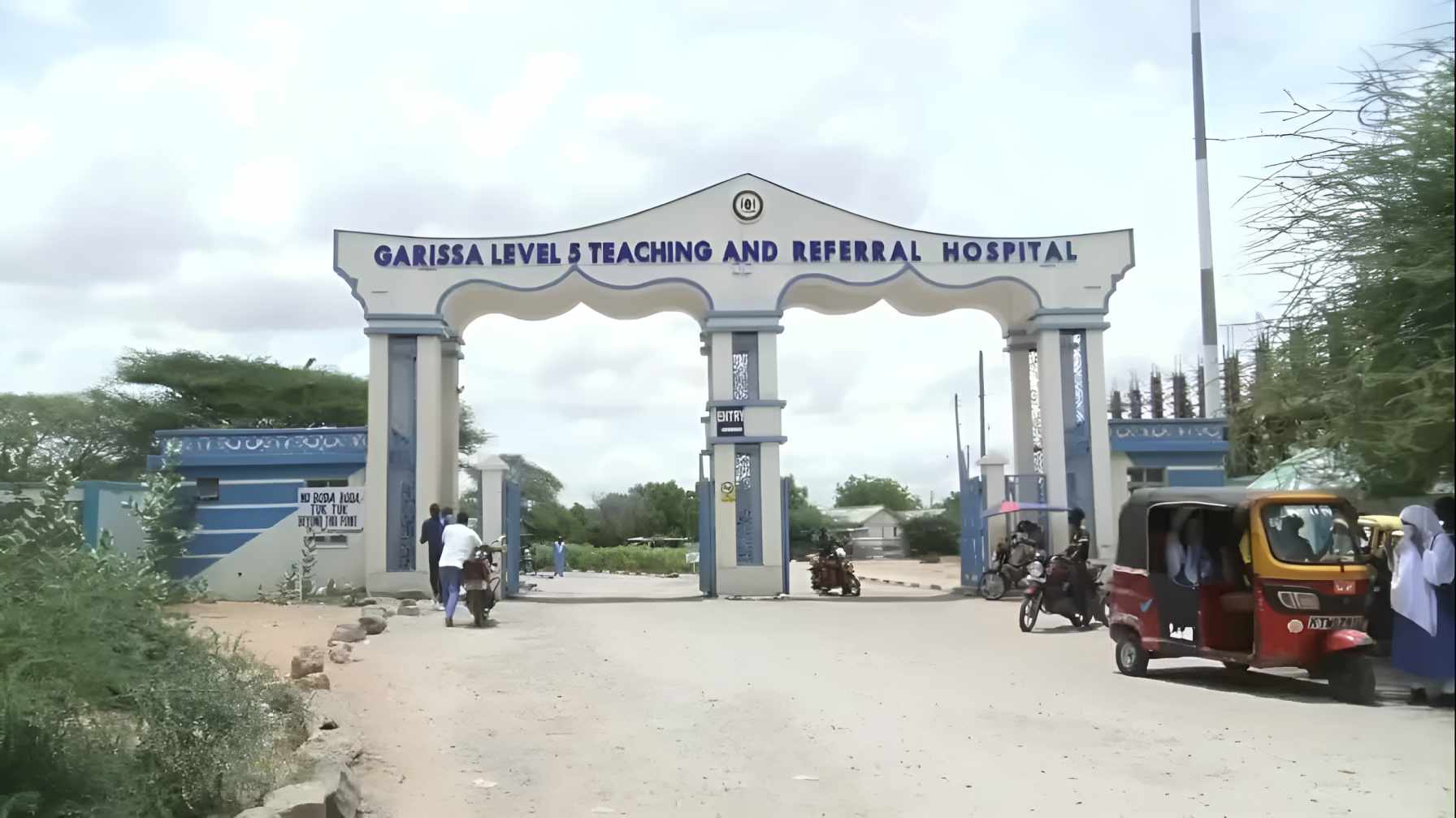
The Health Management Information System Department at Garissa County Teaching and Referral Hospital has strengthened measures to ensure patient records are accurate, secure, and accessible.
The unit manages a wide range of records, including inpatient and outpatient files, maternal and child health records, laboratory and imaging reports.
It also maintains referral letters, discharge summaries, mortality registers, and administrative documents such as registration logs and consent forms.
Latest Stories
- Nigeria football mourns as Eneramo dies following on-pitch collapse
- Kenya issues flood warning as rains intensify in parts of the country
- Ruto brushes off critics, says insults won’t shake his grip on Mt Kenya
- Woman jailed for three years over child theft linked to love triangle dispute
- Tourism Authority, dismisses claims of tourists being held at Maasai Mara lodge
“Accurate, up-to-date records are essential for patient care,” said Milton Oluoch the department head.
“We follow standard forms and coding protocols, perform daily reconciliations, and conduct monthly audits to ensure consistency,” he said.
Garissa County Referral Hospital is transitioning to an electronic health records system, covering patient registration, lab results, and discharge summaries, while retaining paper backups.
Oluoch said patient privacy is a priority for the department within the facility.
“Access is restricted to authorised staff, supported by strong password policies, locked cabinets, secure backups, and regular staff training on confidentiality and data protection.”
The department also facilitates requests for patient records, whether by patients, other facilities, or legal authorities, through a formal release-of-information workflow.
Health records support clinical decision-making by providing clinicians with complete histories, allergies, medications, and previous investigations to improve continuity of care and reducing errors.
The department contributes to health reporting and analytics, including diagnoses and procedures, compiling performance indicators, and informing public health planning.
Emergency preparedness measures include off-site encrypted backups and manual tracking of critical patient lists.
“Your records are private and kept safe,” Oluoch the department head said.
“Timely access helps with follow-up care, and information is released only with consent or as required by law.”




Comments
Sign in with Google to comment, reply, and like comments.
Continue with Google