
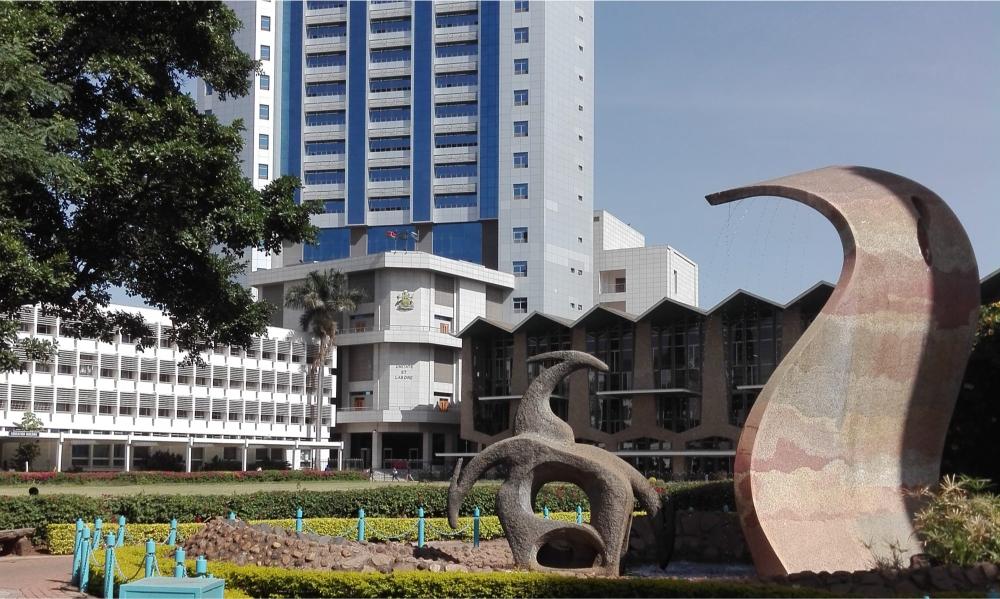
The University of Nairobi’s Sh20 billion debt burden has drawn sharp questions from MPs, who want the institution’s leadership to explain how it plans to clear its outstanding bills and restore its finances.
Lawmakers have questioned the university’s reliance on its vast property holdings as a possible route to recovery, insisting that management must show how its proposals will translate into actual payments and improved financial performance.
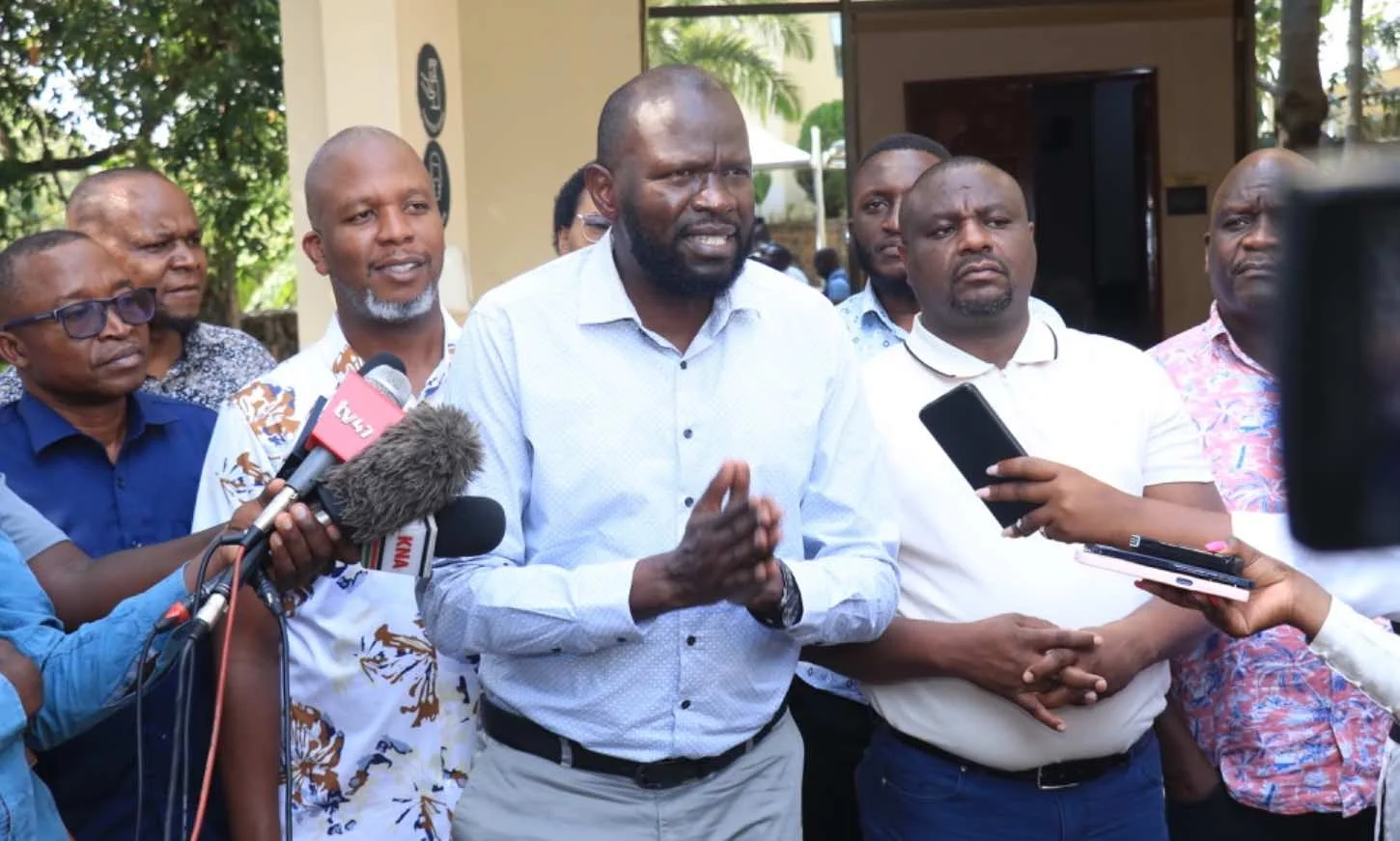
The National Assembly’s Public Investment Committee on Governance and Education raised the concerns during a meeting with the university’s senior management on Thursday, as it reviewed audit reports covering the 2020-21 to 2024-25 financial years.
The committee, chaired by Luanda MP Dick Maungu, examined the institution’s mounting deficits, unpaid statutory obligations and pension contributions, alongside losses reported by some of its income-generating units.
The scrutiny follows findings by Auditor General Nancy Gathungu, whose report on the financial year ended June 30, 2022, gave the university a qualified audit opinion and raised material uncertainty over its ability to continue operating as a going concern.
The audit showed that UoN recorded a deficit of about Sh2.2 billion, taking its accumulated deficit to Sh8.8 billion. Its outstanding statutory obligations, including taxes and pension contributions, amounted to approximately Sh10.6 billion, representing an increase from the previous financial year.
The figures have raised concerns about the university’s capacity to meet its financial commitments despite holding assets worth billions of shillings.
Appearing before the committee, Vice Chancellor Ayub Gitau acknowledged the institution’s financial difficulties but argued that its substantial asset portfolio offered an opportunity to improve its position.
“We have a debt of about Sh20 billion and an asset base of over Sh220 billion,” Gitau told the MPs.
He said the university’s management and council were exploring ways to make its properties more productive, including renting out or leasing some of the available assets to raise additional revenue.
Gitau further disclosed that the institution had formed a committee led by the deputy vice chancellor in charge of finance to review the valuation of its assets and identify areas where they could generate better returns.
The university was also implementing austerity measures aimed at reducing financial leakages and improving the management of its resources.
However, the proposals failed to address the lawmakers’ concerns, with committee members questioning the absence of clear, measurable steps showing how the institution would overcome its financial difficulties.
Maungu pressed the vice chancellor to explain what management was doing to settle the university’s obligations, arguing that the value of its properties offered little comfort to creditors who were yet to receive their money.
“The people who are suffering, some of whom are your creditors, will not mind about the asset base you have,” he said.
“What members and I have not seen are pragmatic steps that you have put in place as management to secure the university from this condition. We need to see actionable, pragmatic steps to free the university from this yoke.”
The committee’s position reflected concern over the difference between the university’s reported wealth in assets and its financial capacity to meet its obligations.
While management pointed to leasing arrangements, improved returns from property and spending controls as possible solutions, MPs wanted a clearer account of how the measures would ease the debt burden and improve the institution’s financial position.
Embakasi West MP Mark Mwenje also sought to establish whether the university’s leadership was responding adequately to the crisis.
The lawmakers’ demand comes against the backdrop of audit findings that point to years of accumulated deficits and growing unpaid obligations, placing the university’s financial management under closer scrutiny.
The committee is seeking practical proposals that demonstrate how the institution intends to deal with its debts, meet statutory commitments and improve the performance of its income-generating units.
For the university, the challenge is to turn its substantial asset base into reliable revenue while addressing the obligations that have continued to weigh on its finances. The MPs want management to demonstrate how its proposed interventions will deliver a recovery rather than leave the institution dependent on the value of properties it owns.