Homa Bay Town MP Peter Kaluma has defended the valuation and sale price of Safaricom shares to Vodacom, insisting the agreed Sh34.2 price was “good” for Kenyans despite expert models suggesting lower values.
Kaluma said the National Assembly Finance and National Planning Committee sought the best price for the public asset and challenged testimony that failed to present a credible alternative valuation.
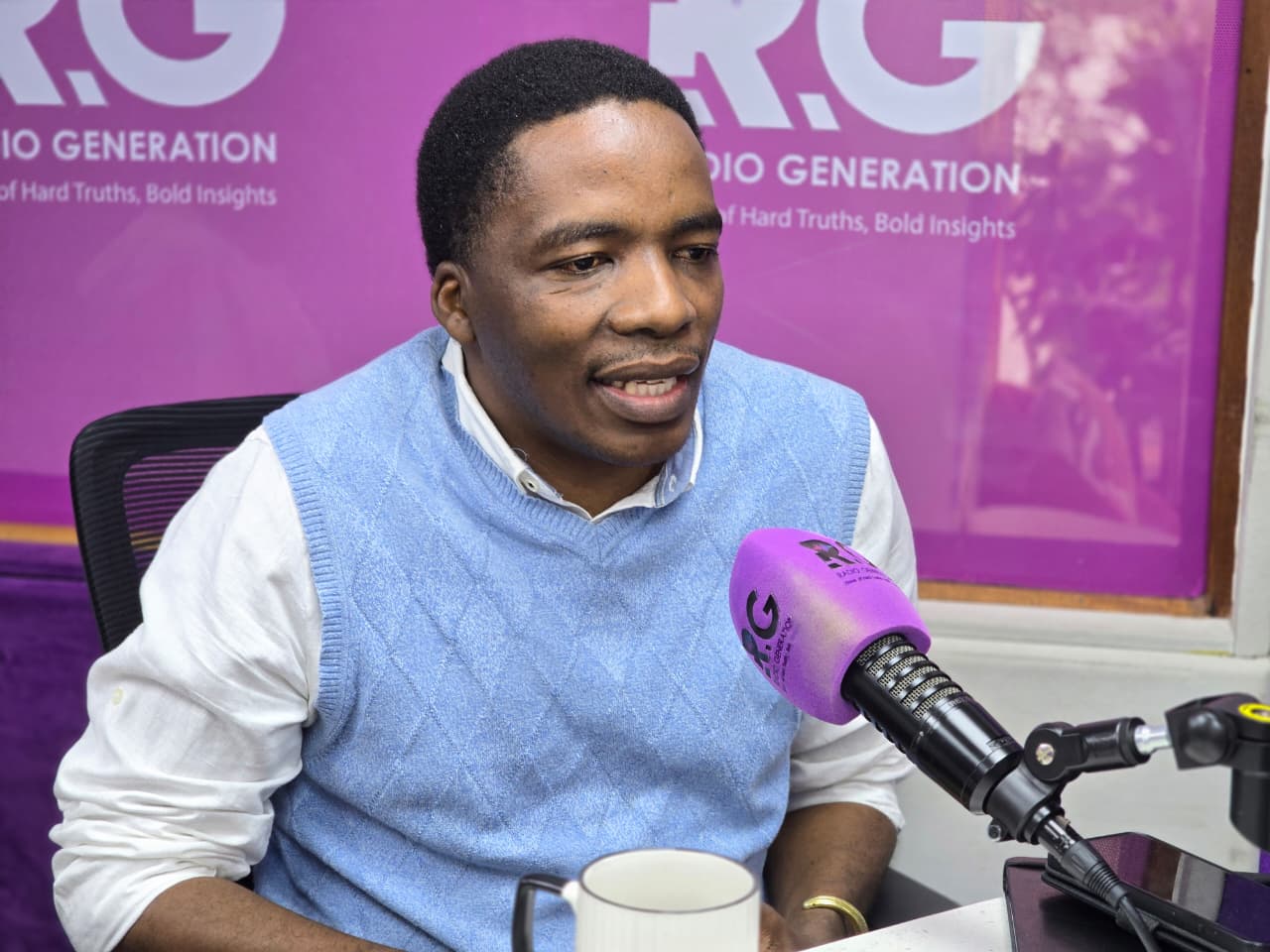
Speaking in a Radio Generation interview on Thursday, he recounted lengthy deliberations as members of the National Assembly Finance and National Planning Committee sought to ensure that the sale price represented fair value for a major state asset.
The committee, he said, met “for quite some time” in a Nairobi hotel to review five different valuation models presented by experts.
The most obvious benchmark was the market price, the value dictated by demand and supply at the Nairobi Securities Exchange, which at the time stood at around Sh28 to Sh29 per share.
Despite this, the price ultimately agreed for the transaction with Vodacom, which involved the purchase of a sizeable stake in Safaricom, was Sh34.2 per share.
“The question I was asking that day, is it in our interest as representatives of the people to get the best right out of the shares for Kenyans?” The MP said.
He insisted the committee was right to press experts on how their valuation models arrived at their figures and whether those figures truly reflected market realities.
However, Kaluma said one expert, Kiharu MP, Ndindi Nyoro “fumbled throughout” when asked to justify a higher valuation, failing to clearly explain the underlying calculations or present a credible alternative price.
Instead, according to him, the expert resorted to political commentary, which Kaluma said “does not work on the floor”.
Despite the tense exchanges, Kaluma said he, as presiding officer in that moment, allowed the discussion to proceed without public acrimony.
In the end, he said, members concluded that the agreed price of Sh34.2 was appropriate, given the circumstances and the need to protect public interest.
“The fact of the matter is that the price at which those shares are being sold are good. Okay? Are good, alright?” he said, reinforcing his confidence in the deal.
Kaluma’s comments come amid broader debates in Kenya over the management of public assets, transparency in valuations, and the role of Parliament in providing rigorous oversight of state transactions.
The Safaricom share sale, which attracted intense public and political attention, was seen as a key test of Kenya’s ability to balance commercial realities with accountability to taxpayers.
His explanation aimed to reassure the public that elected representatives did not simply accept valuations at face value, but challenged them robustly.
Critics of the valuation process had pointed to discrepancies between expert‑provided models and the negotiated price, arguing that Parliament should have pressed for an even higher price.
Kaluma dismissed such critiques, asserting that the Finance Committee’s work was thorough and the final outcome acceptable.
“We were seeking the best price for those shares, because they are, you know, public assets,” he said, recounting the committee’s focus.
Beyond the technical valuation debate, he emphasised the broader constitutional role of Parliament in safeguarding public resources.
He said representatives must ensure that deals involving national assets are scrutinised with diligence and care.
His remarks also sought to temper political criticism surrounding the Safaricom transaction, arguing that expertise and evidence must guide discussions rather than partisan rhetoric. “Those ones do not work on the floor,” he said of political shots fired during expert testimony.
While Kaluma’s defence centred on process and outcome, his comments reaffirmed the challenges Parliament faces when experts offer conflicting valuations, and the difficulty of translating technical financial models into politically acceptable outcomes.
Looking ahead, Kaluma reiterated that Parliament’s role is not only to approve or reject deals, but to hold executives and advisors to account for the assumptions and calculations underlying major economic decisions.
As Kenyans reflect on the Safaricom transaction, Kaluma’s perspective highlights the tension between market fundamentals, expert advice and public expectation, and the central role that elected representatives play in navigating these competing demands.
In insisting that the agreed price was “good” and backed by committee scrutiny, he offered a perspective that seeks to balance commercial prudence with accountability to citizens, reinforcing Parliament’s oversight mandate in Kenya’s complex economic landscape.