Kisumu court awards Sh38m to victims of 2023 protest brutality
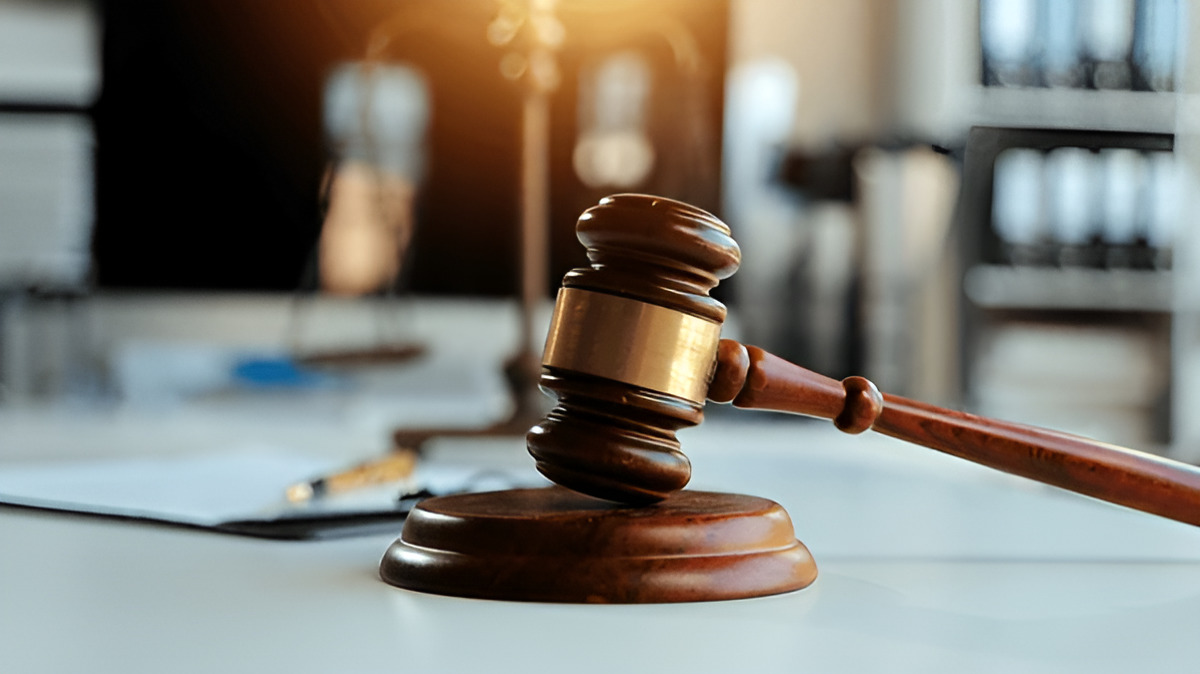
Justice Alfred Mabeya found that police officers deployed during the demonstrations acted unlawfully, using excessive force that resulted in deaths, serious injuries and long-term suffering among civilians.
A High Court ruling in Kisumu has awarded more than Sh38 million in compensation to victims of police brutality linked to the 2023 anti-government protests, marking a significant moment in the push for accountability within Kenya’s security agencies.
In the decision on Wednesday, Justice Alfred Mabeya found that police officers deployed during the demonstrations acted unlawfully, using excessive force that resulted in deaths, serious injuries and long-term suffering among civilians.
The case was brought by 29 petitioners drawn from Kisumu, Migori and Ahero, who sought redress for violations committed between March and July 2023. The court granted individual payouts ranging from Sh300,000 to over Sh4 million, depending on the level of harm suffered, including permanent disability and loss of life.
Justice Mabeya ruled that the actions of the officers breached constitutional protections, including the right to life, dignity and personal security. He noted that several victims were not even part of the protests, with some reportedly harmed inside their homes.
“There is clear and consistent evidence of shootings and assaults,” the judge said, dismissing any doubt over the nature of the violations.
The ruling comes at a time when concerns over police conduct continue to mount. The 2025 Missing Voices Annual Report highlights a persistent pattern of violence, showing that police killings rose by 20 per cent—from 104 cases in 2024 to 125 in 2025—even as overall violations dropped.
Court records showed that many of the victims suffered gunshot wounds, reflecting broader national trends where shootings remain the leading cause of death in police-related incidents.
The State had argued that the matter should not proceed, citing ongoing investigations by oversight agencies. However, the court rejected this position, stating that justice cannot be delayed on account of incomplete probes, particularly in cases involving loss of life.
The petition named the Inspector General of Police, the National Police Service, the Attorney General and the Independent Policing Oversight Authority (IPOA) as respondents.
In assigning responsibility, the court held that the Inspector General bears ultimate accountability for police operations, faulting the absence of clear command structures and operational guidelines during the protests.
“Responsibility must be taken at the highest level,” the judge stated.
The court also raised concerns over delays by IPOA, noting that prolonged investigations have continued to deny victims timely justice.
Data from the Missing Voices report further points to systemic challenges in accountability, including limited resources for oversight bodies and the lack of specific legislation criminalising enforced disappearances, despite a drop in such cases from 55 in 2024 to six in 2025.
The report also warns of shrinking civic space, with protesters and human rights defenders increasingly targeted.
National trends show that young people, particularly men aged between 19 and 35, remain the most affected by police violence.
Describing the 2023 protest period, the court said it was characterised by widespread suffering and loss, underscoring the scale of the violations brought before it.
While awarding damages, the judge noted that financial compensation cannot restore lost lives but serves as recognition of wrongdoing and a step toward justice.
The matter will be mentioned on July 7, 2026, to confirm compliance with the court’s directives.
No orders were made on costs, with the judge noting the public interest nature of the case.
The ruling is expected to influence future handling of protests and intensify calls for reforms in policing and use of force.


Comments
Sign in with Google to comment, reply, and like comments.
Continue with Google