Kenya reports continued progress in malaria control, with incidence dropping by 5 percent between 2023 and 2025, prevalence falling from 8 per cent to 6 per cent over the past decade, and mortality reducing by 32 percent.
At the same time, the Ministry of Health has launched new policy tools ahead of World Malaria Day 2026.
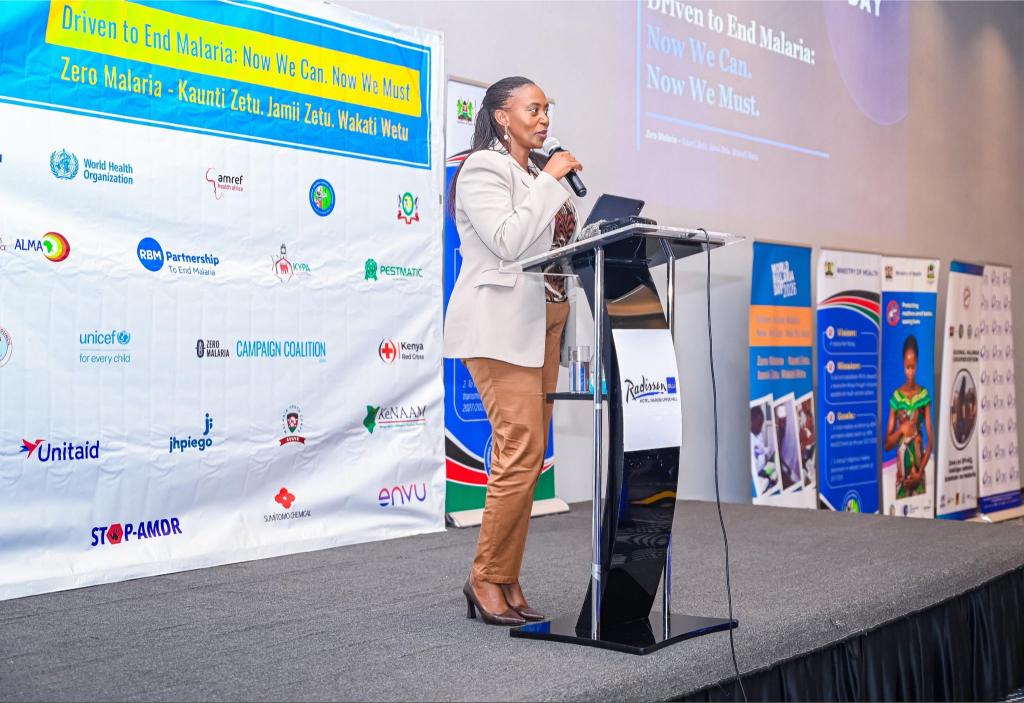
The Ministry, through the Public Health PS, Mary Muthoni said on Thursday that these gains reflect sustained implementation of national malaria control strategies, including prevention, diagnosis, treatment, and community engagement efforts across the country.
Latest Stories
- IG: Investigations reveal funding and structure of organised criminal groups
- Education ministry flags false notice on examination workers’ compensation
- Kibiwott plants 23,326 trees in 24-hour marathon in Elgeyo Marakwet
- Museveni, Ruto warn Africa’s raw export model is holding back growth
- Senate Bill proposes five-year ban for ex-governors from legislative seats
As part of efforts to accelerate momentum towards elimination, the Ministry of Health convened a media breakfast briefing ahead of the 2026 World Malaria Day national commemoration.
The forum brought together stakeholders to review progress, highlight ongoing interventions, and strengthen collaboration with the media in public health communication.
 Principal Secretary for Public Health and Professional Standards, Mary Muthoni with Ministry officials reviewing the health policy instruments ahead of 2026 World Malaria Day on April 23, 2026. PHOTO/MoH
The Ministry said the engagement was also intended to reinforce the role of journalists in shaping public understanding and supporting behavioural change at community level.
The PS “emphasised the media’s influence in shaping public understanding, strengthening accountability, and promoting behaviour change.”
She called for continued collaboration under the national malaria elimination slogan: “Ziro Malaria – Kaunti Zetu. Jamii Zetu. Wakati Wetu.”
The Principal Secretary noted that while Kenya has the necessary tools, systems, and knowledge to eliminate malaria, success will depend on how effectively they are implemented across all levels of the health system.
She said “while Kenya has the tools, systems and knowledge required to eliminate malaria, the priority now is ensuring consistent and effective implementation across all levels of the health system.”
The Ministry also used the platform to launch a series of new policy instruments aimed at strengthening the national malaria response.
These include “updated guidelines for malaria diagnosis and treatment,” which are expected to improve clinical management and ensure consistent standards of care across health facilities.
Other measures introduced include biosafety protocols for community-level rapid diagnostic testing, a clinical mentorship toolkit for healthcare workers, and an implementation framework for malaria rapid diagnostic tests (RDTs).
The Ministry also launched “a new online entomological surveillance database,” designed to enhance monitoring of mosquito populations and improve data-driven decision-making in malaria control programmes.
She said the new tools will strengthen surveillance systems, improve coordination, and enhance the effectiveness of interventions aimed at reducing malaria transmission.
Malaria remains one of Kenya’s leading public health challenges, particularly in high-burden regions, despite significant progress over the past decade.
The government continues to rely on a combination of prevention strategies, early diagnosis, prompt treatment, and public awareness campaigns to reduce infections and deaths.
The Ministry says collaboration with the media remains critical in ensuring accurate information reaches communities and in countering misinformation that could undermine prevention efforts.
As Kenya prepares for the 2026 World Malaria Day commemoration, health authorities say the focus is now on ensuring that gains made so far are sustained and accelerated through stronger implementation and community engagement across all levels of the health system.


Comments
Sign in with Google to comment, reply, and like comments.
Continue with Google