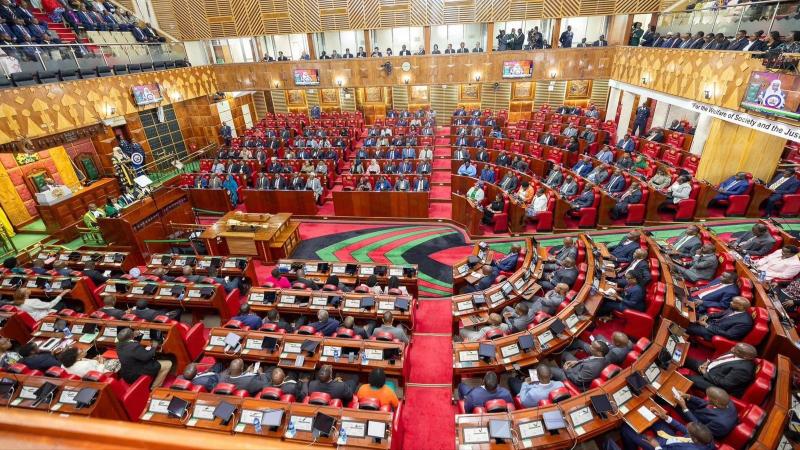
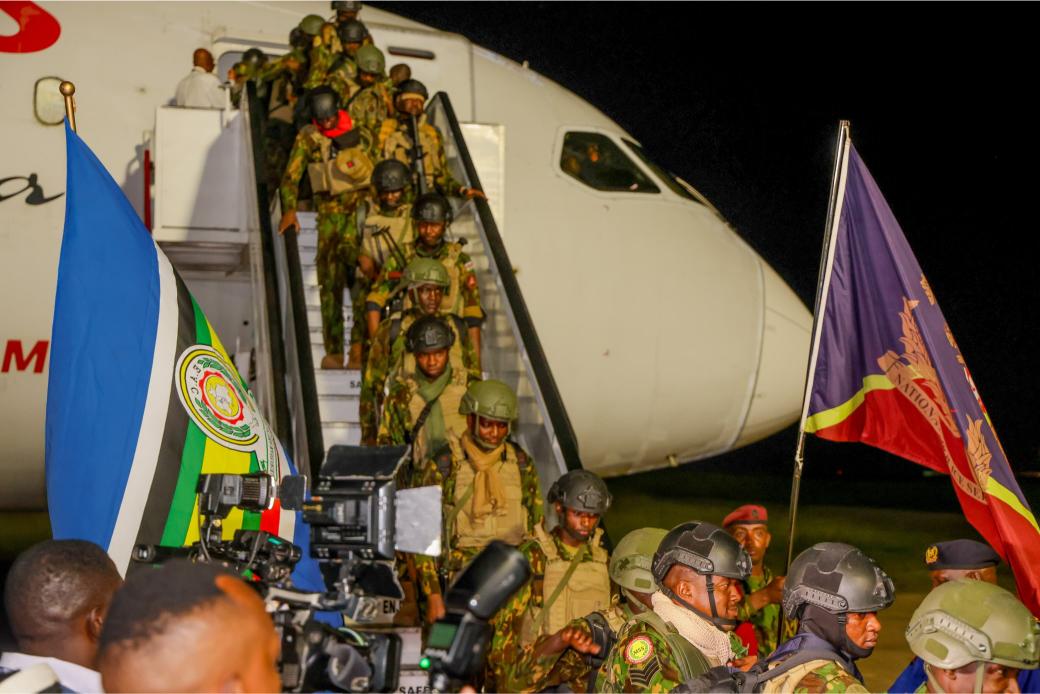
Kenya’s National Assembly has approved five Defence Cooperation Agreements with France, China, Ethiopia, Czech Republic and Zimbabwe, paving the way for expanded military collaboration to address emerging security threats while imposing strict safeguards to protect national interests.
The agreements, endorsed following a review by the Departmental Committee on Defence, Intelligence and Foreign Relations, are expected to deepen cooperation in areas such as counter-terrorism, intelligence sharing, cybersecurity and peace support operations.
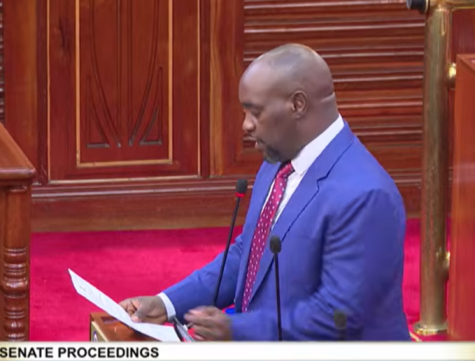
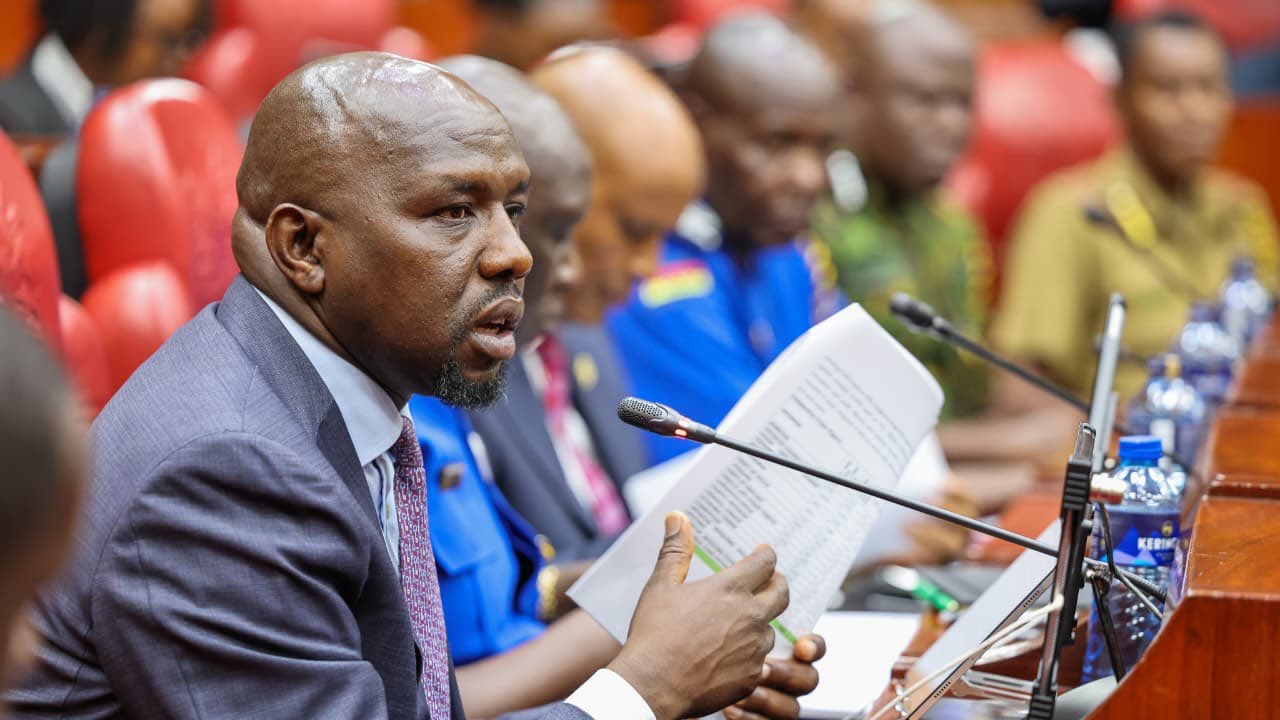
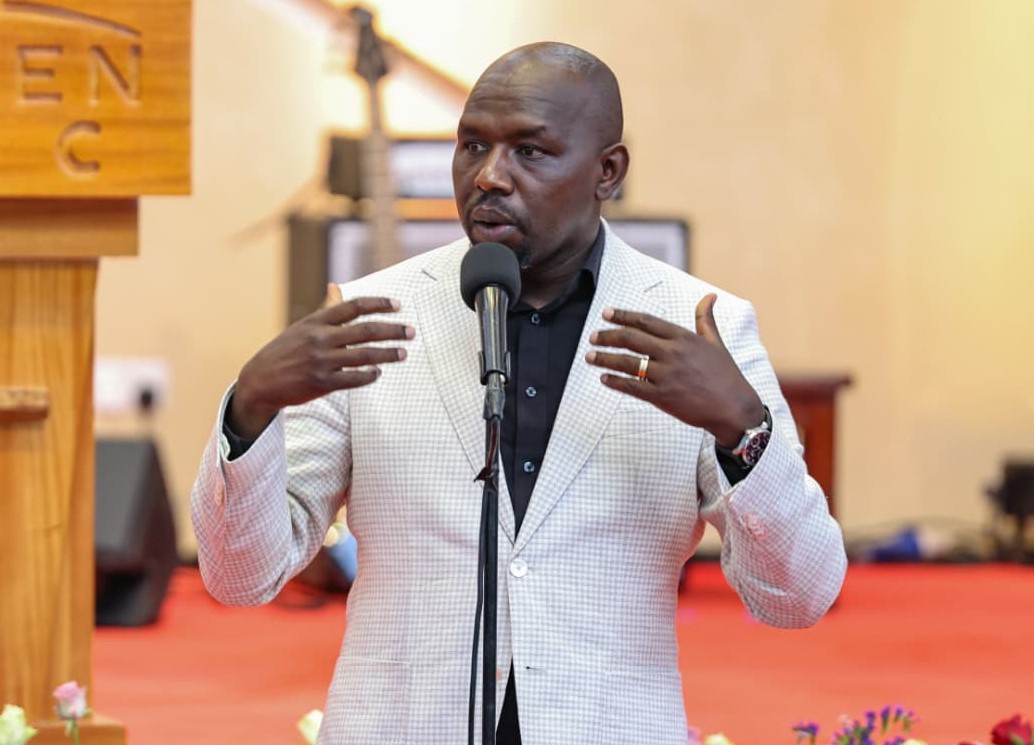
Committee chairperson and Belgut MP Nelson Koech told the House that the partnerships are designed to strengthen Kenya’s defence capacity by leveraging relationships with both regional and global allies.
“These agreements will enhance Kenya’s defence capabilities through partnerships with technologically advanced and strategically significant states,” Koech said.
“They will also deepen cooperation in intelligence sharing, counter-terrorism, peace support operations, and research and development.”
While backing the ratification, lawmakers attached a series of conditions governing the conduct of foreign forces, environmental protection, community relations, and the development of a standard framework for future defence agreements.
In a notable shift from past practice, Parliament subjected the agreements to public participation prior to approval, in line with constitutional requirements. Koech said the process marked a milestone in legislative oversight.
“This is the first time we have subjected Defence Cooperation Agreements to public participation as guided by Article 118 of the Constitution,” he said, noting that submissions from stakeholders helped refine the agreements.
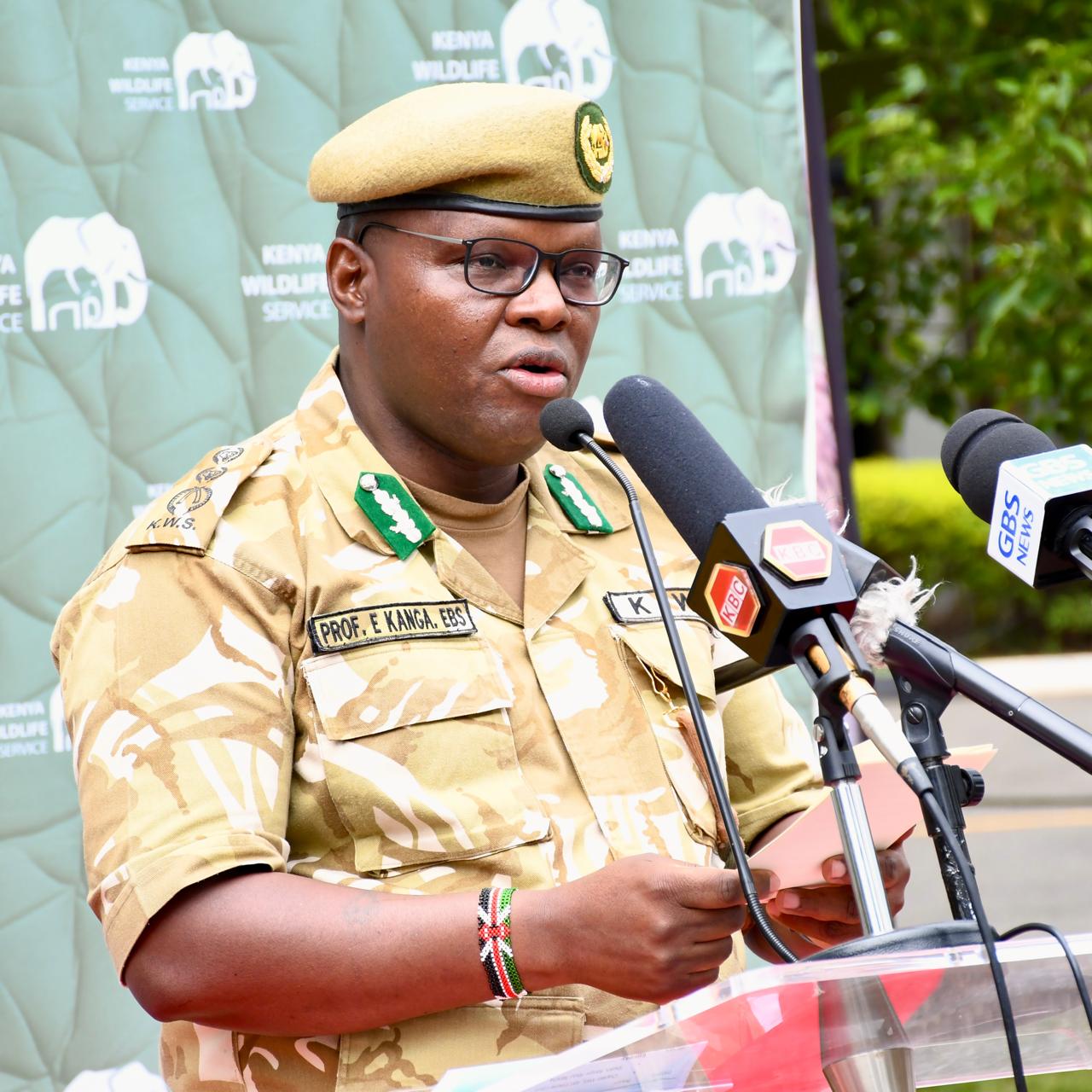
The committee gathered input from key institutions, including the Ministry of Defence, the State Department for Foreign Affairs, the Office of the Attorney-General, the National Environment Management Authority, Kenya Wildlife Service, Kenya National Commission on Human Rights and the Kenya Revenue Authority.
Gilgil MP Martha Wangari, who seconded the motion, emphasized the importance of early consultations in strengthening the agreements.
“We realised the importance of involving line ministries early in the negotiation process,” she said. “Parliament often comes in at the tail end, with limited options. This process must change.”
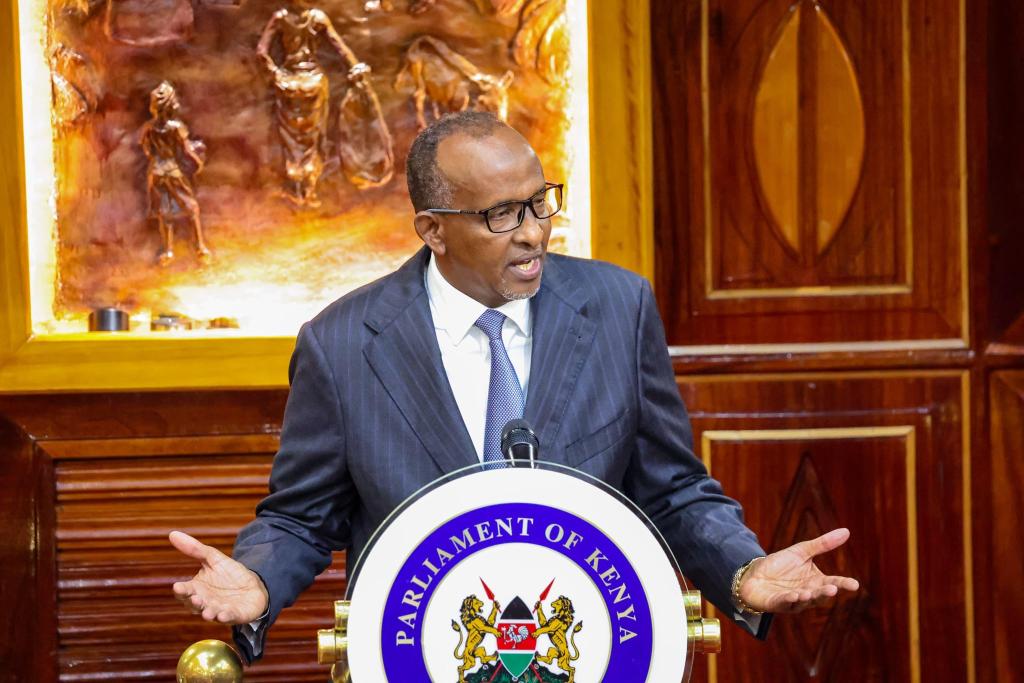
Majority Leader Kimani Ichung’wah said the agreements go beyond traditional military cooperation and extend into modern security domains.
“These are new frontiers that will significantly enhance the capability of our defence forces,” he said, citing areas such as cybersecurity, maritime surveillance, and space-related capabilities.
He added that cooperation with Ethiopia could bolster security along the Marsabit–Moyale corridor and help curb cross-border crime.
Despite broad support, lawmakers raised concerns about safeguarding Kenya’s sovereignty and protecting citizens. Funyula MP Ojiambo Oundo cautioned against potential risks.
“We must guard against human rights abuses and ensure that these agreements do not disadvantage Kenyans,” he said.
A key issue during debate was the legal accountability of foreign troops operating within Kenya. MPs agreed that serious crimes committed on Kenyan soil must fall under Kenyan jurisdiction.
“There is no way a soldier can commit a crime here and escape justice,” Koech said, stressing that offences such as murder, sexual violence, and torture must be handled within Kenya’s legal system.
Environmental and community concerns also featured prominently. Nairobi Woman Representative Esther Passaris called for robust safeguards to prevent ecological damage and protect local livelihoods.
“Military cooperation should not harm ecosystems, wildlife, or local communities,” she said.
Legislators referenced past concerns involving environmental degradation and unexploded ordnance in training areas, urging enforceable protections to mitigate such risks.
Navakholo MP Emmanuel Wangwe supported provisions requiring visiting forces to respect local customs and operate strictly within agreed terms.
Parliament also highlighted the absence of a standardized template for defence agreements, noting that this has led to inconsistencies in past deals.
Lawmakers called for a uniform framework to guide future negotiations, particularly on legal jurisdiction, environmental safeguards, and community engagement.
Additionally, MPs underscored the need for enhanced oversight and adequate funding to monitor implementation, especially for joint activities conducted outside the country.
Despite the concerns, lawmakers expressed confidence that the agreements—if implemented with the stipulated safeguards—will strengthen Kenya’s security posture and enhance its role in regional and global security cooperation.
“The world is changing, and so are security threats,” Koech said in his closing remarks. “These partnerships are necessary, but they must be anchored in strong legal and institutional safeguards.”
















Comments
Sign in with Google to comment, reply, and like comments.
Continue with Google