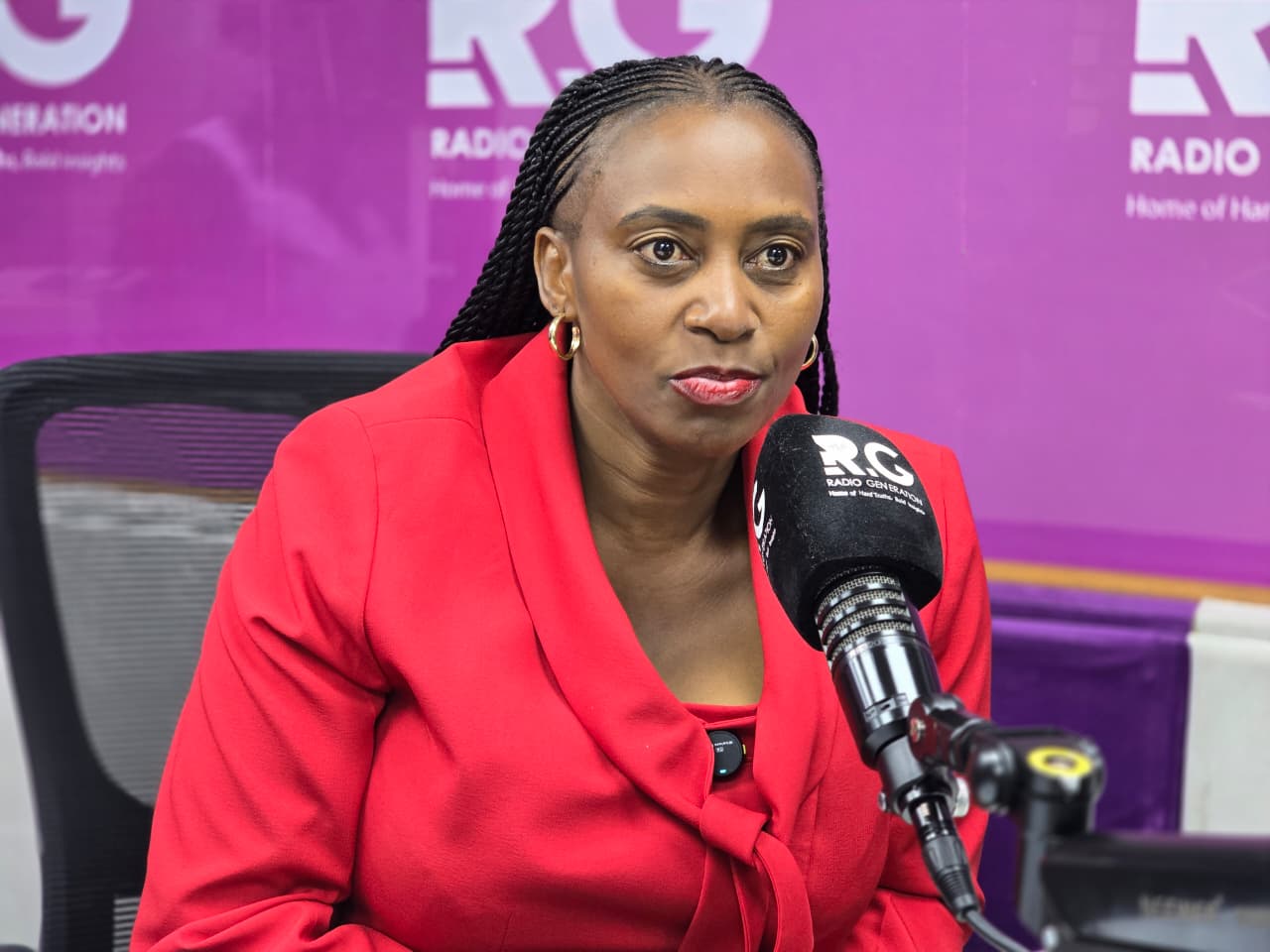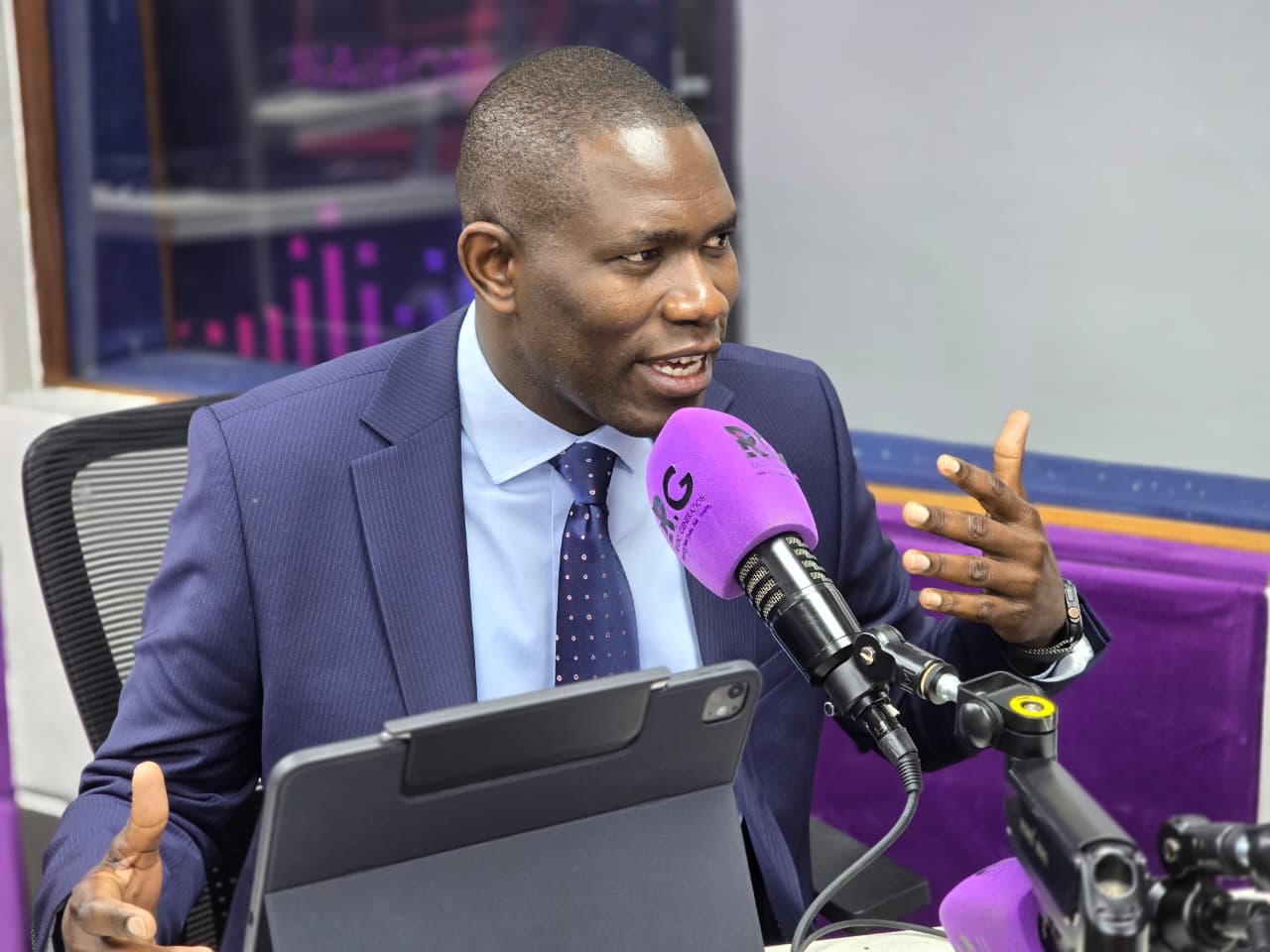
PS Oluga: Kenya ready to handle Ebola threat despite regional outbreak
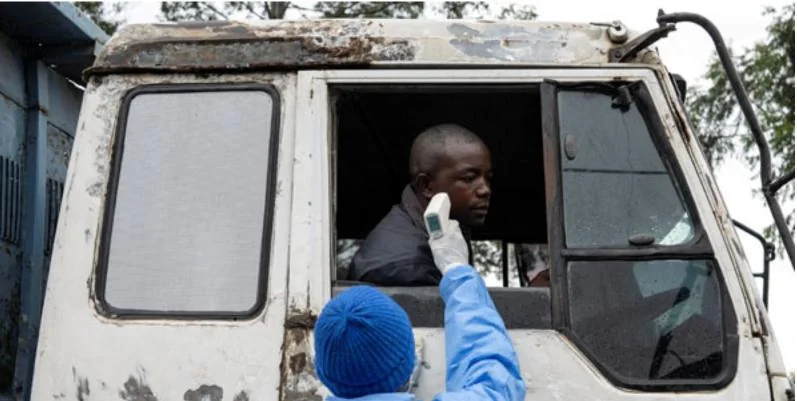
He says over 55,000 people have been screened and 2,200 health workers trained, while reaffirming Health CS Aden Duale’s confirmation that the country remains Ebola-free.

The Health CS said Kenya continues to work closely with county governments, regional bodies and international partners to strengthen preparedness and response activities.
Duale said government agencies are closely tracking the situation and maintaining high alert systems at border points and in high-risk counties. He added that response teams remain on standby to contain any possible spread while reinforcing monitoring systems in vulnerable areas.
According to WHO, the success of containment efforts now depends on access to affected areas, with officials stressing that “stopping this Ebola transmission depends entirely on humanitarian access.”
At the same time, the Centers for Disease Control and Prevention has called on staff to volunteer for urgent deployment to help with Ebola screening at United States entry points as surveillance measures are tightened.
They are believed to have contracted Ebola on 27 March while working in the eastern region of Ituri on a project unrelated to the virus, before the outbreak was identified.
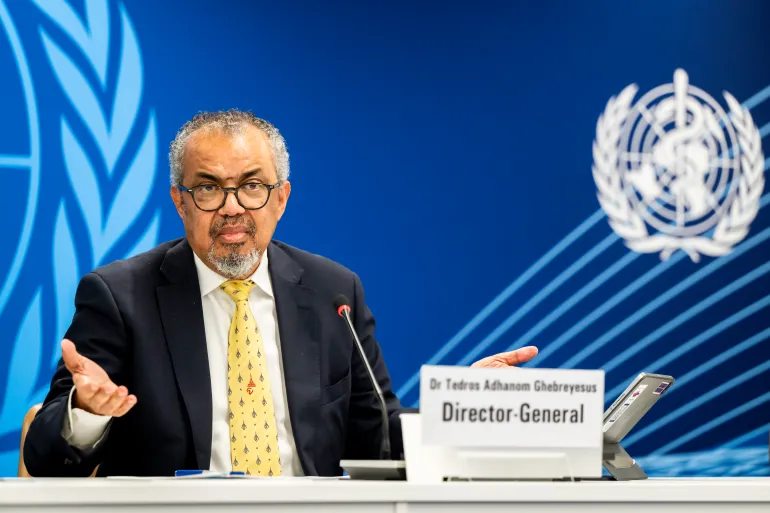
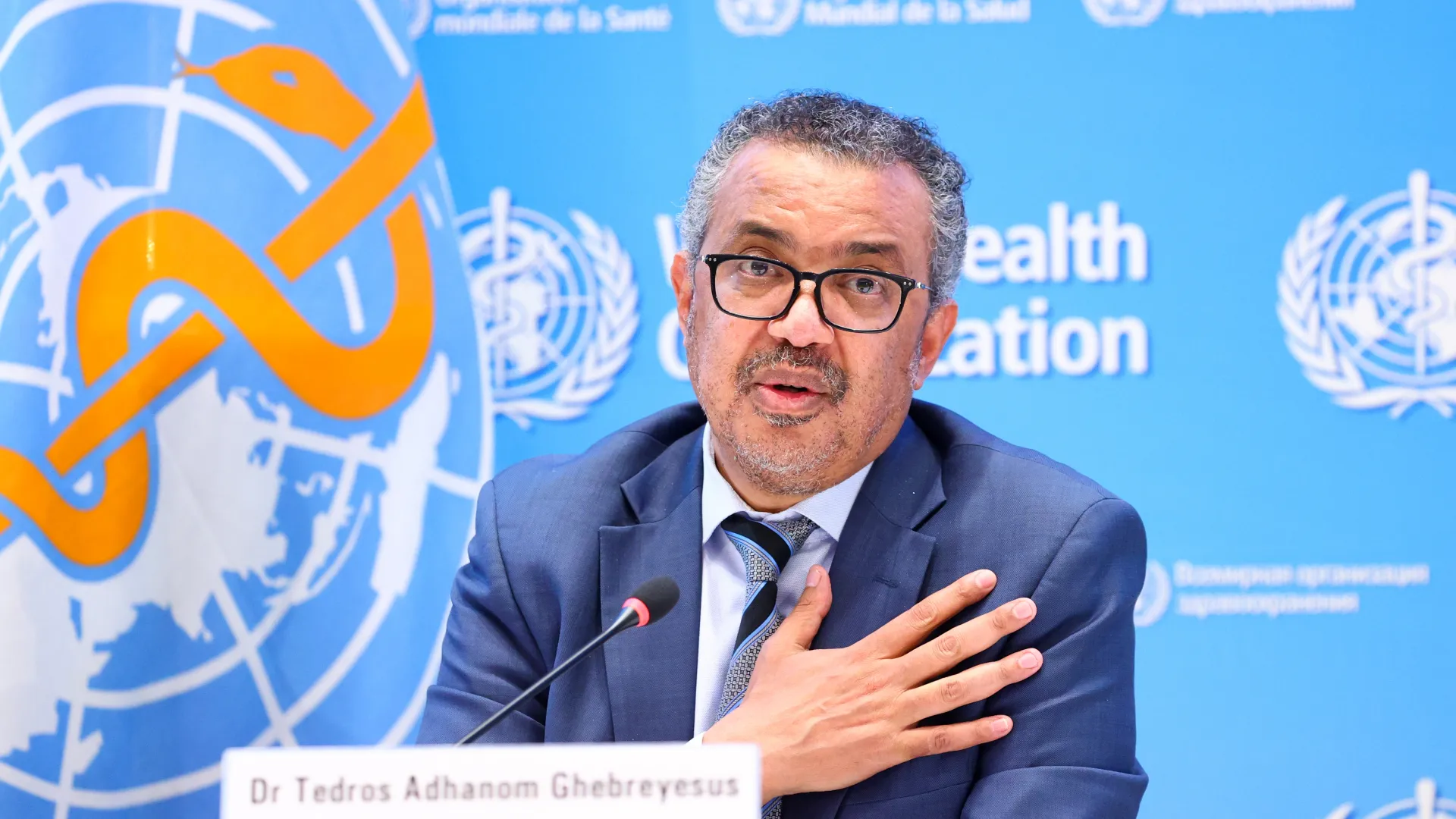
WHO Director-General Tedros Adhanom Ghebreyesus said nearly 750 suspected Ebola cases and 177 suspected deaths had been recorded, cautioning that the situation remained fluid as surveillance and laboratory testing continued to improve.
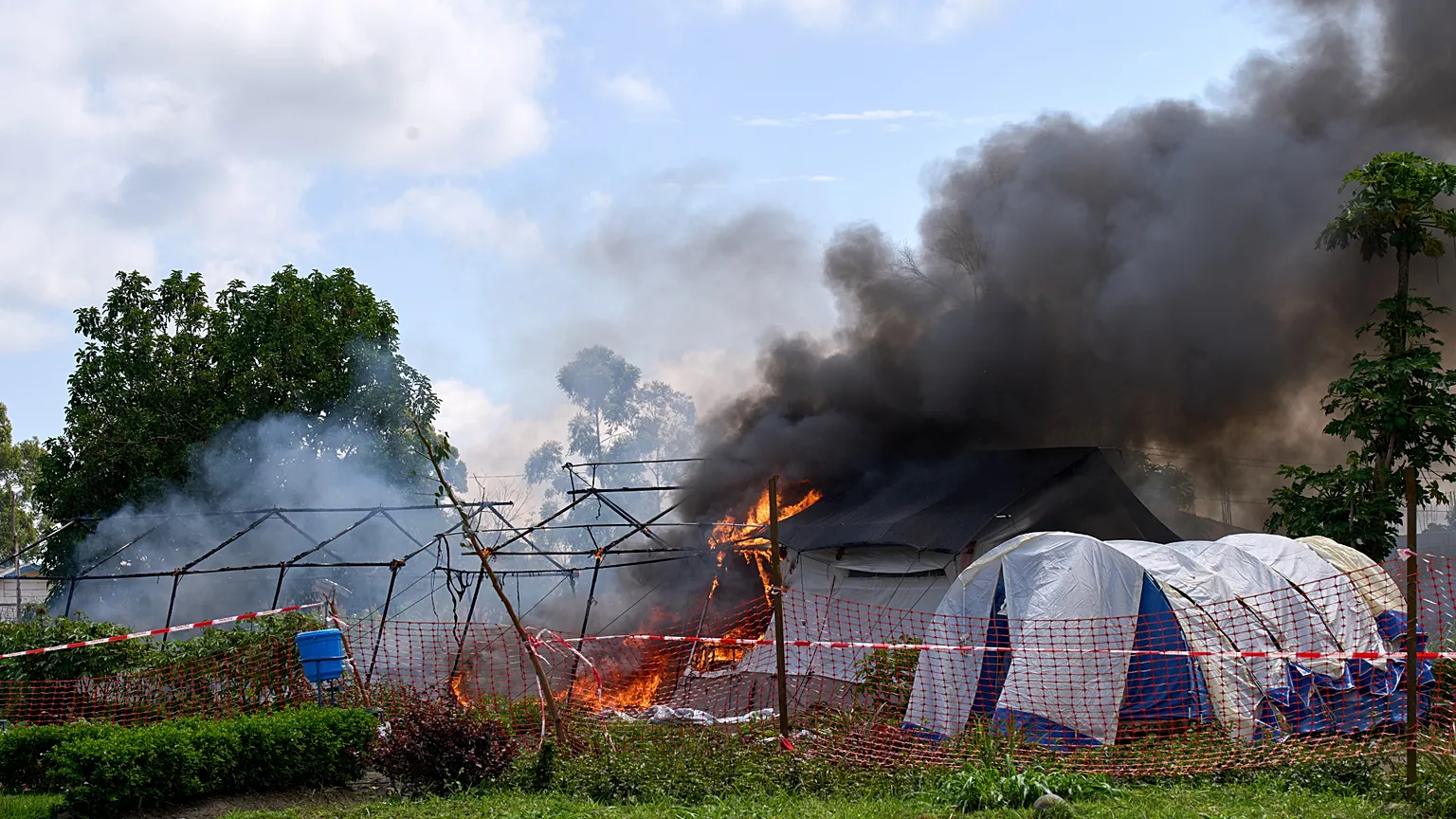
Medical workers at the Rwampara hospital, located near the city of Bunia in Ituri province, where almost all of the cases have been reported, were placed under military protection as the police moved in to restore order.
Inside the country, stricter controls have been introduced in high-risk border areas. Weekly markets in border sub-counties have been suspended, while cultural events and celebrations that usually attract large crowds in districts along the Uganda-DRC border have also been stopped temporarily.
World Health Organization Director-General Dr Tedros Adhanom Ghebreyesus said during a briefing that the outbreak may have started spreading a few months ago and could have been accelerated by a “super-spreader event”, possibly a funeral held in early May.
The Ministry noted that the World Health Organization declared the outbreak a Public Health Emergency of International Concern on May 16, 2026, while the Africa Centres for Disease Control and Prevention classified it as a Public Health Emergency of Continental Security.
The ministry said no Ebola case has been detected in Kenya so far, but warned that increased regional movement of people and goods raises the risk of cross-border transmission.