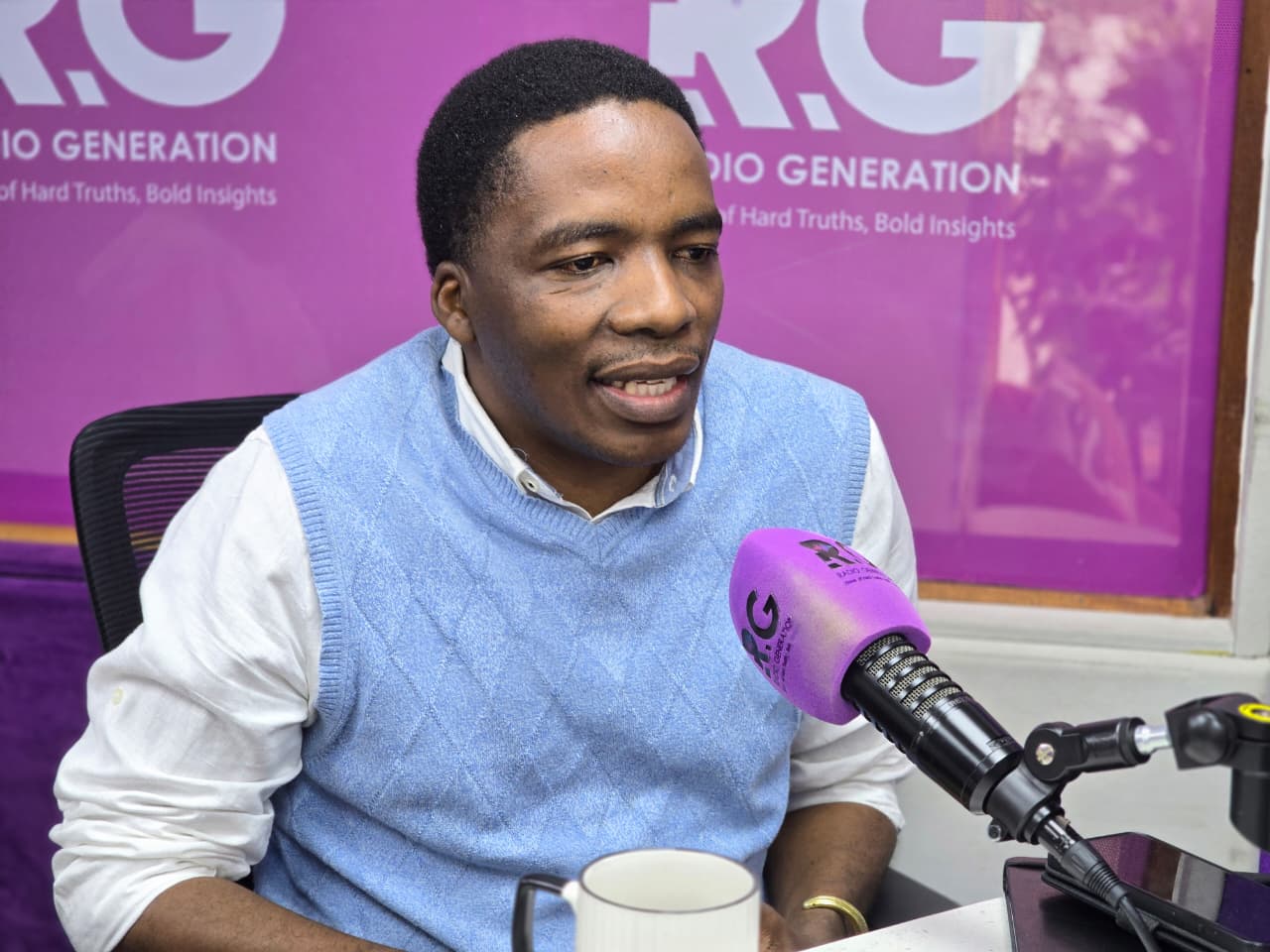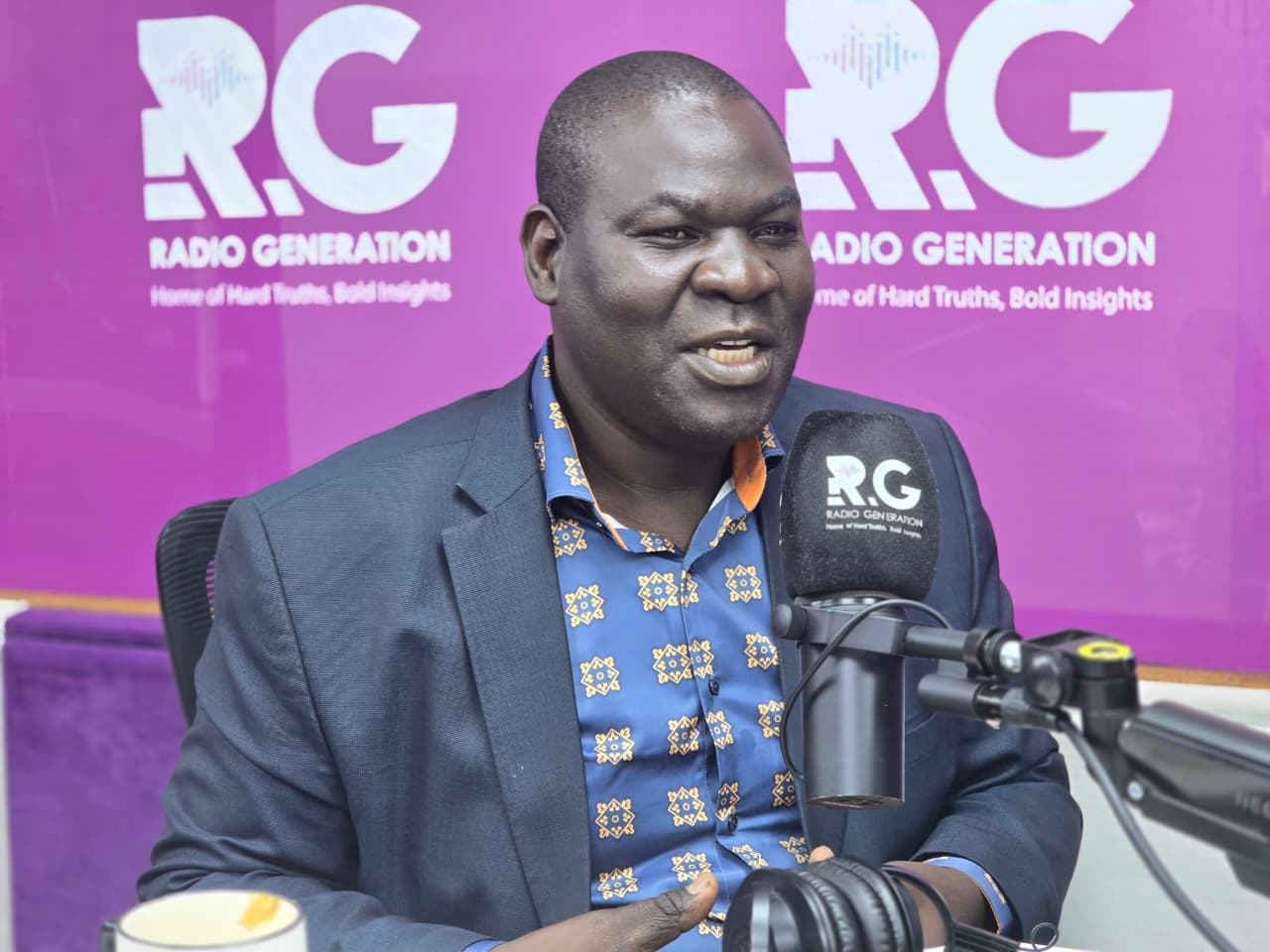
Law lecturer Duncan Ojwang has defended the Kenya Kwanza government’s economic decisions, arguing that key policies such as subsidy removal, farmer mapping, housing projects and fuel import deals helped stabilize Kenya’s economy and prevent debt default.
He said the government focused on agriculture, health, infrastructure and savings culture as part of long-term economic reforms.
Speaking during a Radio Generation interview on Monday, he said Kenya had been among several African countries that were at risk of defaulting on their loans when the current government took office.
“Kenya, Ghana, Chad, Ethiopia, Zambia and I think one more country, there were six countries that had been flagged to be headed to default on their loans,” he said.
Ojwang explained that the government responded by removing fuel and food subsidies to meet debt obligations, a move he believes helped Kenya avoid default while other nations faltered.
“What I think Kenya Kwanza did is to remove fuel subsidies and even subsidy on some food to pay the debt. All the other five countries defaulted, including Ethiopia and Ghana. Kenya, interestingly, did not default,” he said.
He warned that defaulting would have had serious consequences, including a significant devaluation of the currency and widespread economic instability.
“The challenge of defaulting include devaluing of your currency by double, and it is a disaster because it shows it’s a disaster to your economy,” he said.
Ojwang also pointed to agricultural reforms, particularly the government’s farmer mapping programme, which has identified millions of farmers across the country.
“We saw the issue of agriculture that the Kenya Kwanza said, we must first map the farmers. And so far, I think 7.2 million farmers,” he said.
He noted that agriculture remains a key sector, but only a small portion of Kenya’s land is suitable for farming, making irrigation projects critical.
“Only 15% of Kenya is arable land, so 85% need water, and therefore that’s why they are now talking of the five big major dams,” he said.
On healthcare, Ojwang described the rollout of the government’s universal health coverage programme as a bold move, following the repeal of old health laws and the introduction of four new legislative measures.
“The boldness to think of having the health access that can be accessed, they repealed the laws and passed four critical laws on health care,” he said.
He further highlighted the government’s affordable housing programme, noting that it had created employment opportunities and supported local contractors.
“They are claiming that that was also a way of bolstering employment. 60,000 youths are working. There is only two non-Kenyan contractors. All of the other contractors are Kenyan,” he said.
Ojwang also cited reforms to the National Social Security Fund (NSSF), which have significantly increased savings among Kenyans.
“They have forced Kenyans to save, and right now the saving of NSSF that used to be a small amount is now something like 900 billion,” he said.
He credited the government-to-government fuel import deal with stabilizing the Kenyan shilling and boosting foreign exchange reserves.
“When you buy fuel ordinarily you either prepay for delivery, but with the government-to-government deal we had credit, it enabled us to grow our foreign exchange reserves,” he said.
Ojwang noted that foreign exchange reserves have grown considerably.
“Our foreign reserve they’re saying is up to seven months. It used to be only anticipate export for a month,” he said.
He also highlighted major infrastructure projects, including roads, markets, housing developments, and the planned extension of the Standard Gauge Railway (SGR) to Malaba and eventually to the Democratic Republic of Congo.
Ojwang described infrastructure development, agriculture, electricity access, and health reforms as part of a broader plan to grow the economy and improve livelihoods.
He also reflected on the historical purpose of the colonial-era railway, noting that it was primarily intended for resource extraction rather than local development.
“That railway was meant for extraction, it was a business venture, and the purpose was to extract,” he said.
Ojwang concluded that many of the government’s policies are long-term strategies designed to stabilize the economy, improve infrastructure, and increase national savings and investment.