
Treasury CS says Kenya's next phase of tax reforms will focus on balancing government revenue collection with household welfare and business growth as the National Treasury prepares the Finance Bill, 2027.
Cabinet Secretary John Mbadi said the government would review existing tax policies to ensure revenue mobilisation does not undermine household purchasing power, discourage investment or weaken the economy's capacity to generate wealth.
The reforms will be informed by research findings and stakeholder consultations, with the Treasury also preparing to review Pay As You Earn (PAYE) taxation and develop the second Medium-Term Revenue Strategy (MTRS).
The new revenue strategy is scheduled to take effect in the 2027/28 financial year and will build on lessons from the current framework.
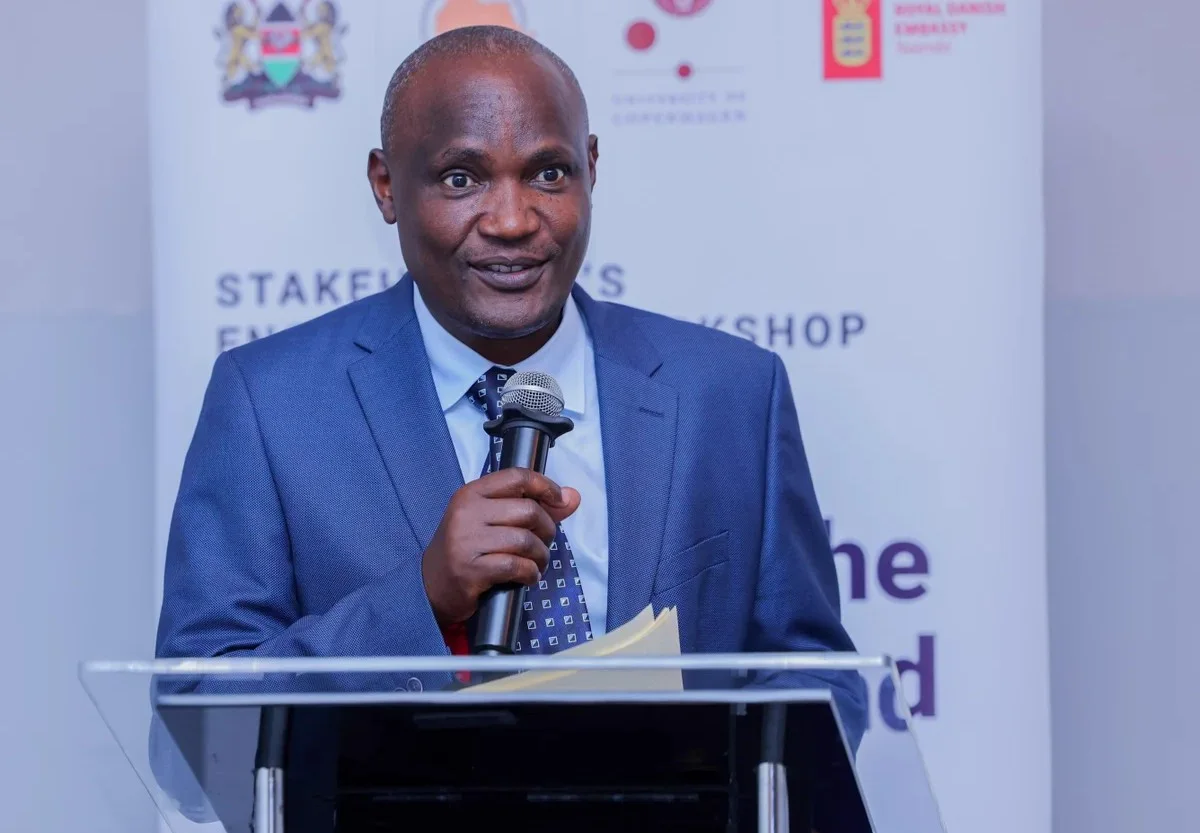
Speaking during the official opening of a Government of Kenya, African Economic Research Consortium and University of Copenhagen stakeholder workshop in Nairobi on Tuesday, Mbadi said the challenge was determining how to raise sufficient revenue without placing excessive pressure on households and businesses.
"How do we strike a balance between the objective of financing better public services while not putting undue pressure on household incomes? How do we raise revenue without disincentivising investment and growth of enterprises?" he posed.
Mbadi said businesses needed sufficient capital to expand operations, create employment and invest in productive activities, while households required disposable income to sustain consumption and savings.
He noted that tax policy should therefore consider the long-term effects of taxation on investment, employment and economic activity rather than focusing solely on immediate revenue collection.
The workshop presented 14 research papers examining different aspects of Kenya's taxation system, including personal income tax, petroleum excise duty, corporate taxation, Value Added Tax (VAT) and electronic invoicing through the electronic Tax Invoice Management System (eTIMS).
Other areas covered include informal payments, cross-border trade and the Financial Inclusion Fund.
A major focus of the discussions was the proposed review of PAYE, which will examine how personal income tax is distributed across different income groups and the treatment of various sources of income.
The research will also assess the implications of existing tax exemptions and reliefs, alongside the relationship between taxation and income inequality.
According to Mbadi, the findings will help establish who ultimately bears the tax burden and whether the existing system distributes tax obligations fairly.
The assessment will go beyond statutory tax rates to consider taxpayers' actual ability to pay, the impact of taxation on disposable incomes and the benefits citizens receive from public expenditure.
The Treasury is also preparing the second MTRS, which will prioritise broadening the tax base, improving compliance and addressing weaknesses in tax administration.
The strategy is expected to expand participation in the tax system while reducing excessive reliance on taxpayers already operating within the formal economy.
Mbadi further emphasised the need for accountability in the management of public resources, saying government revenue collection must be accompanied by responsible spending and the delivery of essential services.
"Taxpayers are entitled to ask what they receive for their contribution," he said, highlighting the connection between tax collection, public expenditure and service delivery.
To translate the workshop findings into policy proposals, the Cabinet Secretary directed technical teams to consolidate the recommendations into a policy review matrix.
The matrix will identify the supporting research evidence, areas requiring further analysis and the institutions responsible for implementing proposed changes.
It will also distinguish recommendations requiring legislative amendments from those that can be addressed through improvements in tax administration.
The process is expected to provide an evidence-based foundation for the forthcoming tax reforms as the government seeks to strengthen public finances without undermining household welfare, private investment and economic growth.