
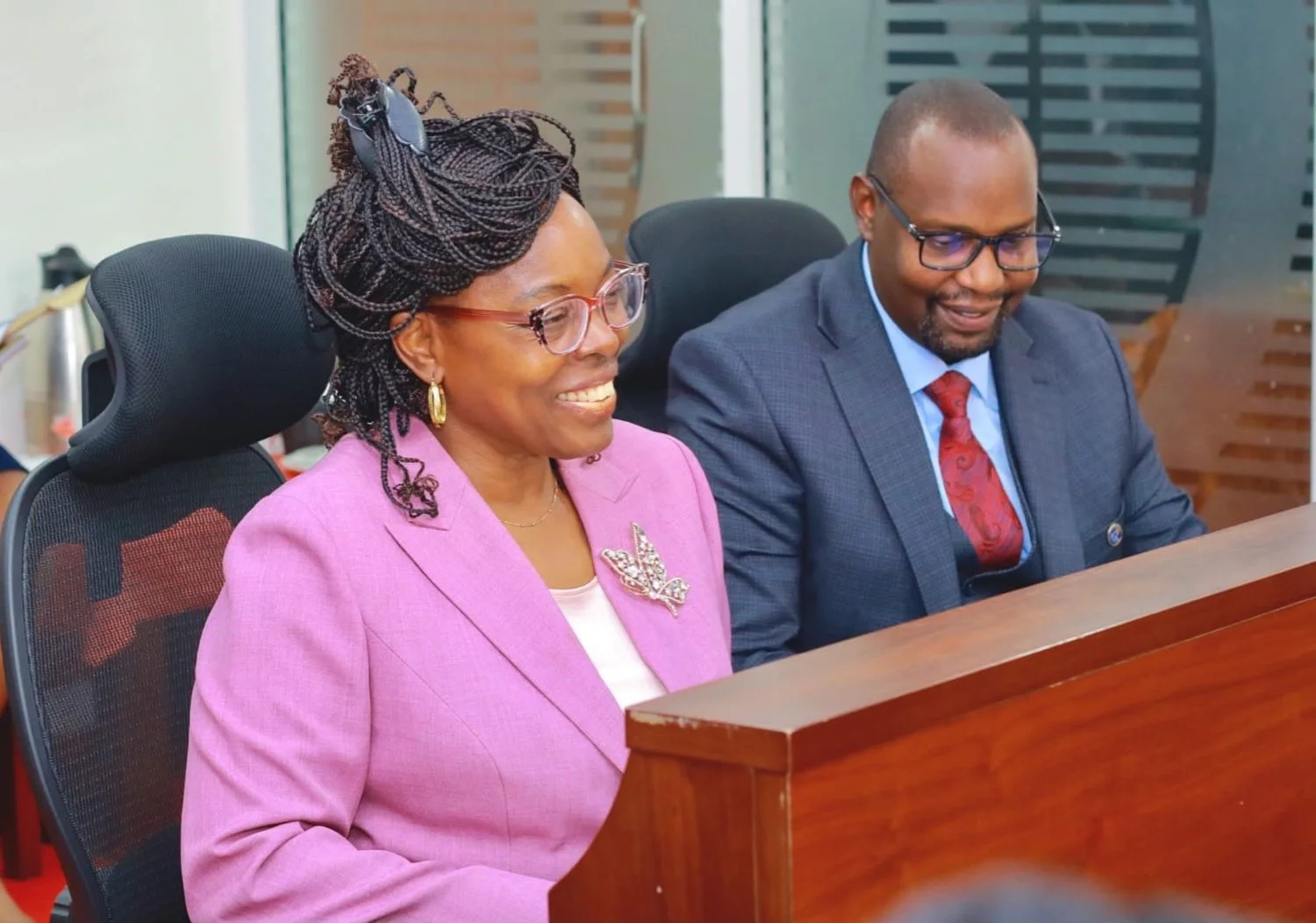
The national government channelled Sh209.37 billion into expenditure outside its approved budget in the 2025/26 financial year, prompting Controller of Budget Margaret Nyakang'o to question the Treasury's growing reliance on constitutional provisions intended to address urgent and unforeseen financial needs.
A report by the Office of the Controller of Budget (CoB) shows that Treasury Cabinet Secretary John Mbadi approved Sh281.5 billion in additional spending requests from ministries and other government agencies, with the expenditure awaiting retrospective approval by the National Assembly. Dr Nyakang'o authorised withdrawals totalling Sh209.37 billion, the largest amount spent outside the approved budget in four years.
Of the funds withdrawn, Sh187.9 billion went towards recurrent expenditure, while Sh21.47 billion was used for development projects. The total was equivalent to about five per cent of the government's gross budget estimates.
Nyakang'o attributed the rise to what she described as poor fiscal discipline at the National Treasury, arguing that some of the additional spending was used to meet regular government needs rather than deal with genuine emergencies.
"Article 223 of the Constitution should be strictly reserved for expenditure that is genuinely unforeseen at the time of budget formulation, urgent and unavoidable, in accordance with the constitutional requirements" she said.
The latest figure represents a steep rise from the Sh66.54 billion spent outside the approved budget in the 2024/25 financial year. The amount stood at Sh19.12 billion in 2023/24 before rising to Sh69.2 billion in 2022/23.
According to Dr Nyakang'o, using emergency expenditure provisions to finance costs that could have been anticipated undermines the reliability of the national budget and weakens the controls governing public money. She also warned that the practice reduces Parliament's ability to exercise proper oversight over government spending.
She urged the Treasury and other government agencies to make realistic financial plans during the normal budget preparation process instead of turning to what she termed the "emergency consolidated fund back door".
"There is a need to adhere to public finance management laws and regulations governing the criteria for funding under Article 223 of the Constitution," she said, adding that better planning and expenditure management would improve budget credibility.
Article 223 of the Constitution provides a legal route for the national government to access funds for expenses that have not been covered by parliamentary appropriations, provided specific conditions are met.
The provision applies where the amount allocated to a particular purpose is insufficient, an unexpected financial need arises for which no provision was made, or money is withdrawn from the Contingencies Fund.
However, any expenditure made under Article 223 must be presented to the National Assembly for retrospective approval within two months of the first withdrawal.
Dr Nyakang'o cautioned that the provision should not become an alternative to proper budgeting or a means through which the Treasury avoids parliamentary examination of how public funds are spent.
The Public Finance Management Act sets out additional safeguards for the use of supplementary funds. Under Section 21, the Treasury Cabinet Secretary must establish that the proposed expenditure is urgent and unforeseen, lacks specific legislative authority and cannot be deferred until the next financial year.
Section 16 of the Act also permits temporary departures from the financial objectives outlined in a Budget Policy Statement, subject to parliamentary approval, when a major natural disaster or another serious unforeseen event makes such a move necessary.
Further limits are contained in the Public Finance Management (National Government) Regulations 2015. The rules allow supplementary spending where a need could not have been anticipated and is unavoidable, and where no allocation exists or the available budget is inadequate.
Regulation 40(4) bars the use of supplementary spending arrangements to meet expenses that were already known when the original budget estimates were drawn up but could not be accommodated within the available funds. Tariff adjustments and price increases are also excluded.
Dr Nyakang'o said using Article 223 to pay for predictable expenses goes against these rules and points to shortcomings in government planning and the implementation of the national budget.
She maintained that the legal framework governing public finances must be followed, with additional withdrawals limited to circumstances that meet the constitutional and statutory requirements rather than being used to cover gaps in the regular budget process.