Five million Somalis face worsening humanitarian crisis - UN report
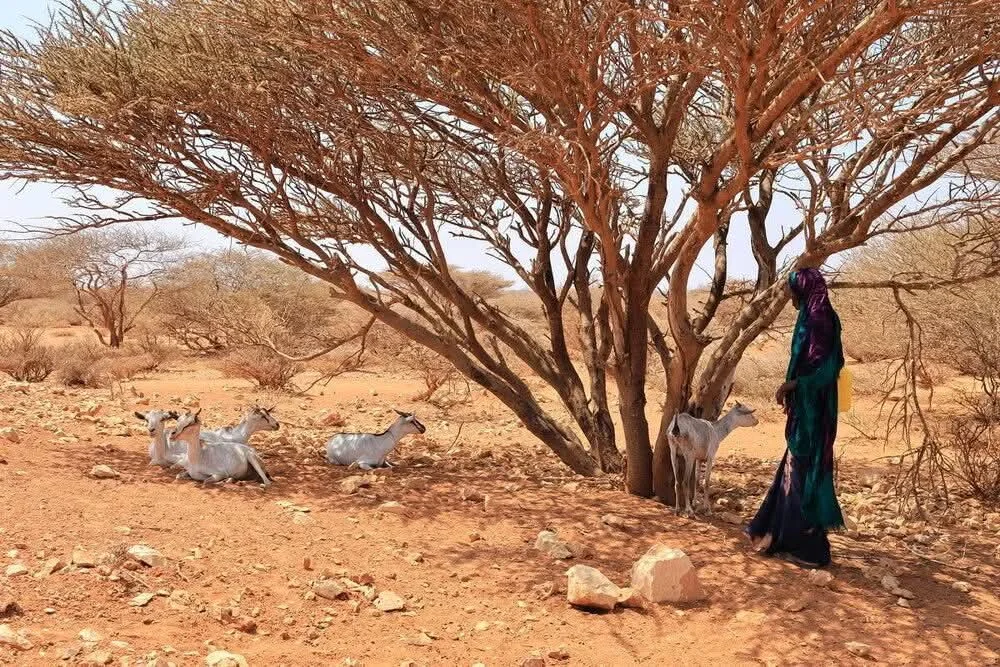
The crisis, driven by prolonged drought, destructive floods and rising global fuel prices, has left millions vulnerable to hunger, displacement and disease across the Horn of Africa nation.
More than five million people in Somalia are facing a worsening humanitarian emergency as erratic Gu rains fail to fully reverse one of the country’s longest and harshest droughts.
The crisis, driven by prolonged drought, destructive floods and rising global fuel prices, has left millions vulnerable to hunger, displacement and disease across the Horn of Africa nation.
The United Nations Office for the Coordination of Humanitarian Affairs said over five million people have been affected by the ongoing drought crisis, with more than 500,000 people displaced in search of water, food and pasture.
According to the latest OCHA humanitarian update, although the early Gu season rains brought temporary relief to parts of southern and central Somalia, the impact remains uneven as many communities entered the rainy season with depleted water sources, weakened livelihoods and soaring malnutrition levels.
Humanitarian agencies warned that prolonged drought conditions following several failed rainy seasons since 2024 have devastated livestock, eroded household resilience and deepened food insecurity across the country.
The February 2026 IPC analysis shows that 6.5 million people are facing Crisis or worse levels of food insecurity, including two million in Emergency conditions, while nearly 1.8 million children are at risk of acute malnutrition.
At the same time, heavy rains have triggered localized flooding in several regions, further compounding the humanitarian crisis.
Flash floods in Middle Shabelle, Gedo, Galgaduud and Togdheer regions displaced hundreds of families, damaged homes and contaminated water sources, increasing the risk of disease outbreaks.
In Buuhoodle district in Togdheer region, floods reportedly killed two people, injured 25 others and displaced more than 250 families. Floods also killed approximately 6,000 livestock and affected at least 500 pastoralist families already weakened by drought conditions.
Aid agencies have also raised concerns over escalating tensions around the Strait of Hormuz, which they say are sharply increasing fuel and commodity prices in Somalia.
The report states that fuel prices in major towns and cities have more than doubled in recent weeks, rising from around US$0.60 to US$1.50 per litre.
The increase has pushed up transport costs, food prices and humanitarian operating expenses, disrupting aid delivery and weakening household purchasing power.
OCHA said prices of imported staple commodities such as rice, wheat flour and cooking oil have risen by more than 50 per cent.
“Water prices in drought-affected areas have increased by as much as 300 per cent due to reliance on fuel-dependent water trucking systems,” the agency said.
Humanitarian organizations warned that worsening economic pressures are straining already underfunded relief operations.
The United Nations also reported that its regional logistics hub is operating at only 50 per cent capacity because of rising freight costs, while critical medical supplies remain delayed.
UN Emergency Relief Coordinator Tom Fletcher appealed for urgent international support during his visit to Mogadishu and Baidoa.
He warned that Somalia’s humanitarian crisis is rapidly deteriorating amid severe funding shortages and climate-related shocks.
Fletcher visited displacement sites and nutrition centres where he met families struggling with hunger and malnutrition, warning that rising food and fuel prices linked to global supply chain disruptions are becoming life-and-death realities for vulnerable communities.
The 2026 Humanitarian Needs and Response Plan for Somalia requires US$852 million, but only 15 per cent of the required funding has been received so far.
Aid agencies say funding shortfalls have already forced the closure of more than 300 health facilities and disrupted mobile health services across the country.
Humanitarian partners warned that without urgent funding and improved humanitarian access, millions of Somalis could face worsening hunger, disease outbreaks and further displacement in the coming months.




Comments
Sign in with Google to comment, reply, and like comments.
Continue with Google